
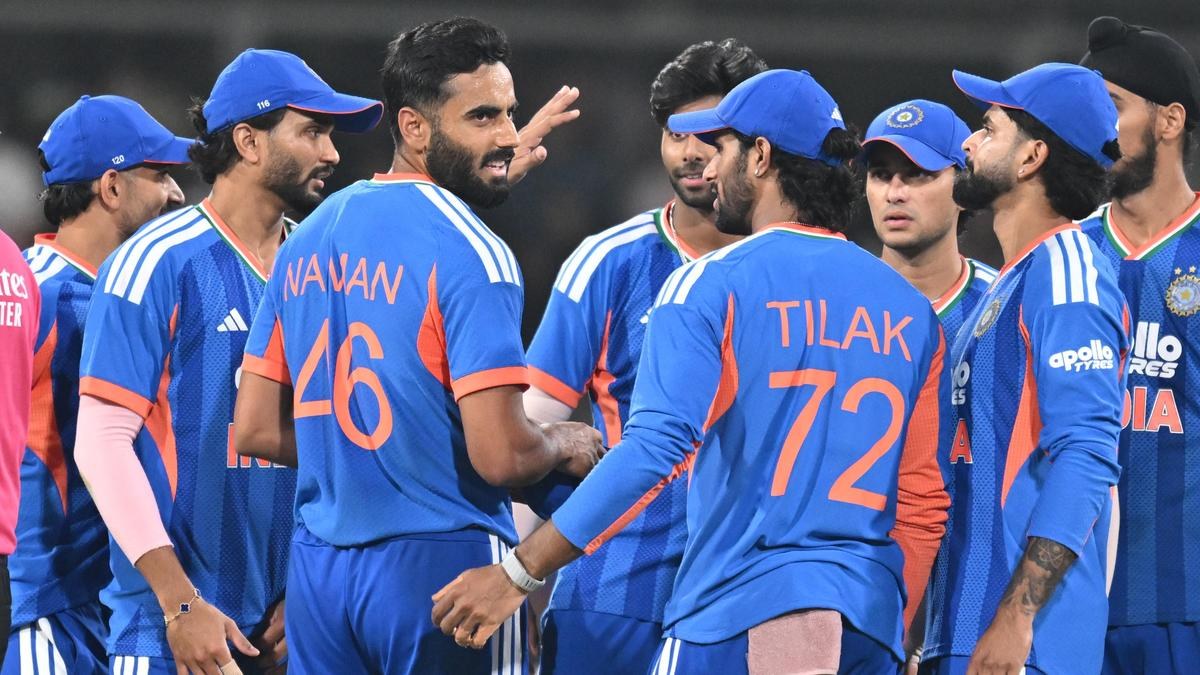
In T20 cricket, where batters are always searching for boundaries, conceding a six can be a frustrating experience for any bowler. But Indian cricketer Naman Dhir appears to have turned that challenge into his biggest strength.

The 26-year-old has produced a remarkable statistic in his early T20 International career: each of his first five wickets in the format came immediately after he conceded a six. The unusual pattern highlights his ability to recover quickly and respond under pressure in a game that often favours aggressive batting.
Dhir’s performance offers an interesting example of resilience in modern cricket. While a maximum can put a bowler under immediate pressure, the key is how they respond to the next delivery. Rather than allowing a boundary to affect his confidence, Dhir has repeatedly managed to strike back.
His achievement is particularly noteworthy in T20 cricket, where batters often attempt to dominate from the start and bowlers have very little room for error. A single over can change the momentum of a match, making composure and quick decision-making essential skills.
Dhir’s record does not mean that conceding a six guarantees a wicket on the next ball. However, the fact that all five of his first T20I dismissals followed maximums makes the statistic a fascinating talking point.
As he continues his international journey, Dhir will look to build on this promising start and establish himself as a valuable option for India.
His story is a reminder that in cricket, setbacks do not always determine the outcome. Sometimes, the strongest response comes immediately after the hardest hit.


0 comments
No comments yet. Yours would be the first.