
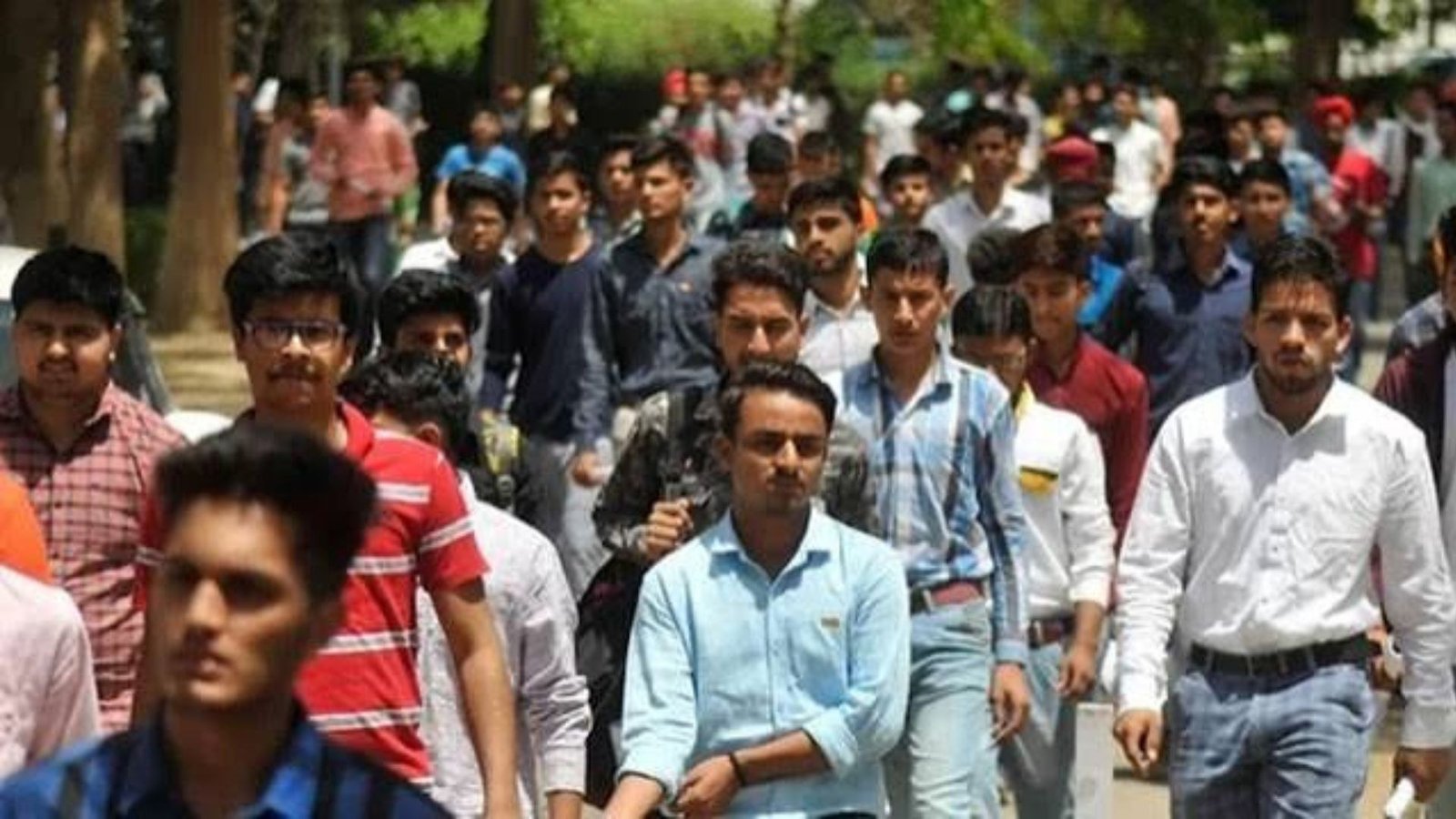
India's higher education system is facing a growing challenge: millions of students graduate every year, but only a small proportion find jobs that match their qualifications and skills. According to NITI Aayog's report, Reimagining Skilling for Viksit Bharat, only around 8.5% of graduates secure employment aligned with their education and abilities.

The report highlights a fundamental disconnect between what colleges teach and what employers need. Graduate unemployment stands at 13%, compared with the national unemployment rate of 3.2%. Among graduate women, the figure is higher at 20.4%.
A major concern is the continued dependence on conventional undergraduate degrees. Of the 3.4 crore students enrolled in undergraduate programmes, around 1.13 crore are pursuing BA courses. Combined enrolment in BA, BSc and BCom programmes exceeds 2 crore.
While these degrees provide academic foundations, many courses lack sufficient practical training and exposure to changing industry requirements. As a result, graduates often turn to competitive examinations, additional qualifications or further training before entering the workforce.
The report also points to the social stigma surrounding vocational education. Industrial Training Institutes, diploma programmes and technical qualifications are frequently considered less prestigious than conventional degrees, despite their potential to provide employment-oriented training.
NITI Aayog has proposed making higher education more industry-linked through specialised courses, apprenticeship-based degrees and work-integrated programmes. Examples include BA Hospitality, BSc Applied Technology and BCom Analytics.
The report also highlights the financial value of additional skills. A generic graduate without extra skilling earns an average starting salary of around ₹22,000 per month, compared with approximately ₹29,000 for a graduate with additional skills.
The broader challenge is to ensure that higher education prepares students not only to earn degrees but also to participate meaningfully in the changing economy.






0 comments
No comments yet. Yours would be the first.