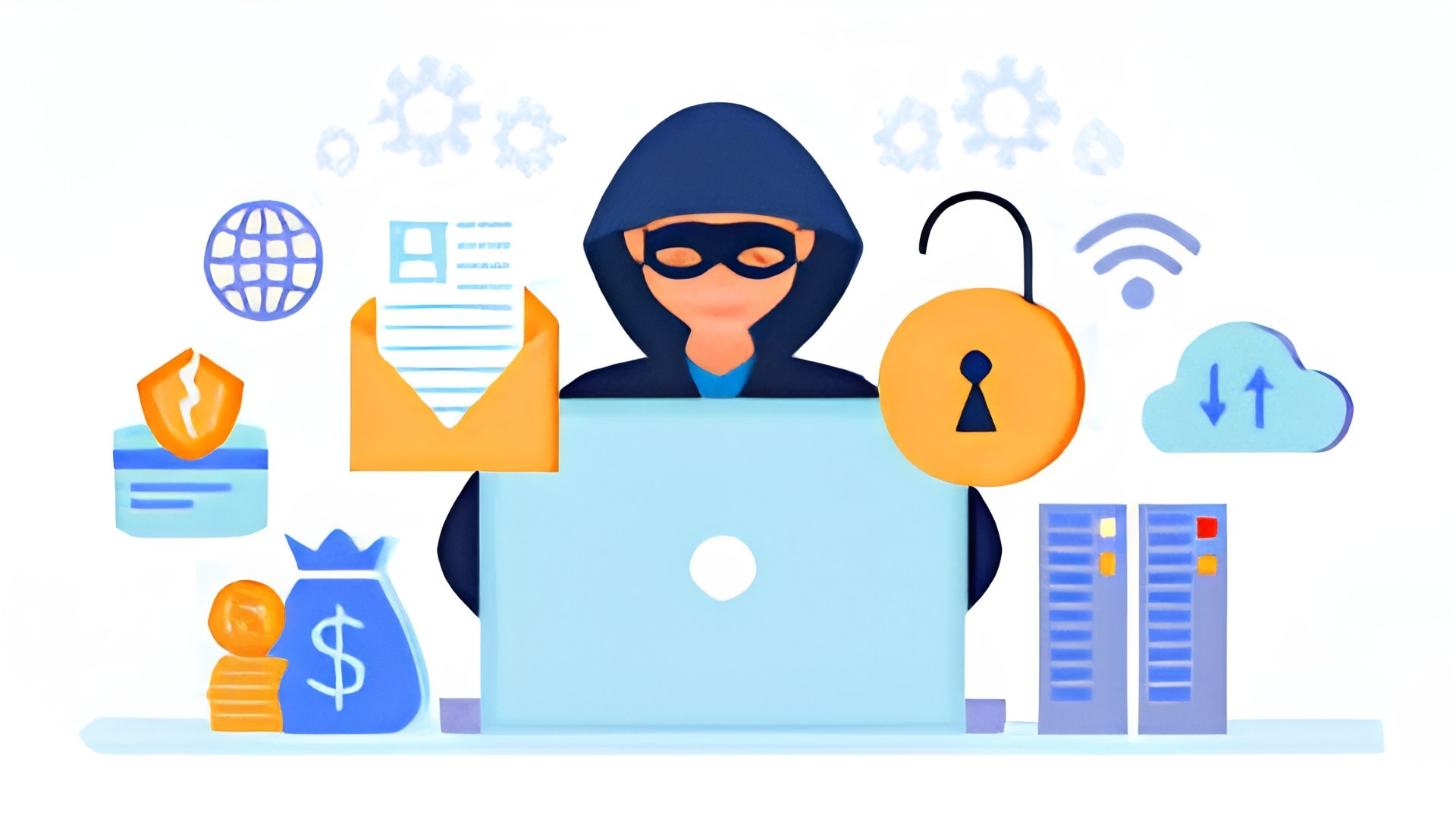
Online scams are becoming increasingly sophisticated, making it important for individuals to recognise warning signs and protect their personal and financial information. Fraudsters often use fake identities, urgent messages and misleading payment requests to trick people into sharing sensitive details or transferring money.

One common warning sign is pressure to act immediately. Scammers may claim that a bank account has been blocked, a family member is in trouble or legal action is imminent. Unexpected calls, emails, text messages and pop-ups requesting personal information should also be treated with caution. Fraudsters can imitate the phone numbers, email addresses and websites of banks, government agencies and legitimate businesses.
People should never share passwords, PINs, one-time passwords (OTPs) or multi-factor authentication codes with anyone. In India, UPI users should remember that a PIN is required to send money, not to receive it. Unusual payment demands involving gift cards, cryptocurrency or wire transfers are also potential warning signs.
Account security can be strengthened by using unique passwords, enabling multi-factor authentication and choosing passkeys wherever available. Keeping operating systems, browsers and security software updated also helps protect devices. Before making online purchases, users should check website addresses carefully, look for HTTPS and research unfamiliar sellers.
Anyone receiving a suspicious message should verify it through official channels rather than clicking links or calling numbers provided in the message.
If financial fraud occurs, contact the bank immediately to report the transaction and seek assistance in securing the account. In India, online financial fraud can be reported through the National Cyber Crime Reporting Portal. In the United States, consumers can report scams to the Federal Trade Commission.
Staying alert, verifying unexpected requests and securing online accounts can help reduce the risk of digital fraud.






0 comments
No comments yet. Yours would be the first.