
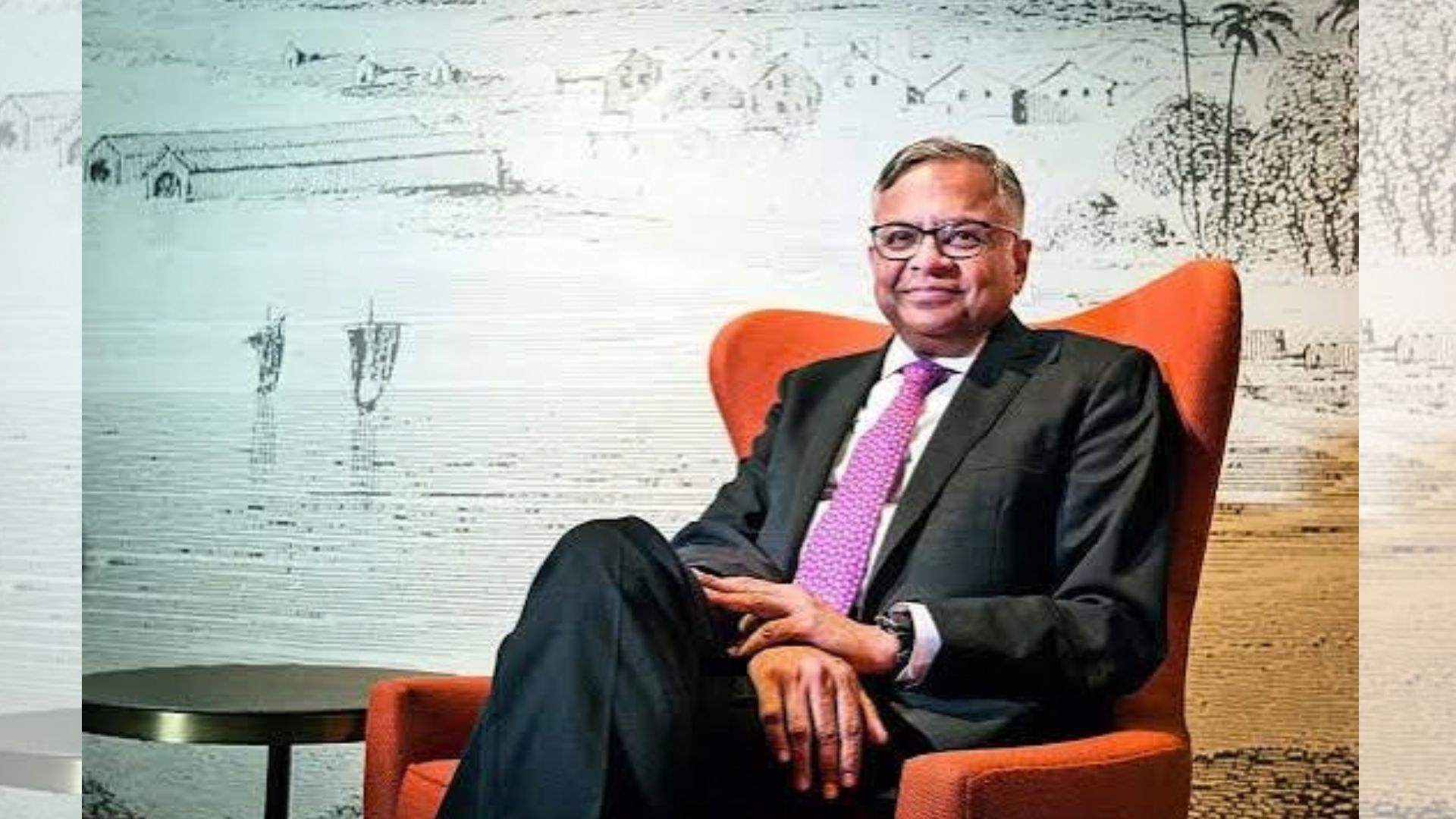
India needs to move beyond an assembly-led manufacturing model and develop end-to-end capabilities spanning products, equipment, technology, research and intellectual property, Tata Sons Chairman N Chandrasekaran said.

Speaking at an Indian Foundation for Quality Management symposium, Chandrasekaran said India's economy remains resilient despite global uncertainties. He pointed to strong domestic demand, services exports and favourable domestic policy conditions as key growth drivers.
He highlighted double-digit growth in areas such as auto sales, credit, power and cement demand. Services exports, he said, are around $418 billion, while foreign exchange reserves stand at about $785 billion. He also noted that India's current account deficit has remained below 1% of GDP and bank non-performing assets are low.
Chandrasekaran said long-term growth will depend on energy security, manufacturing employment and human capital development. India needs to shift workers from low-productivity agriculture into higher-productivity manufacturing and modern services while expanding education, vocational training and technical skills.
He argued that building assembly capabilities can strengthen the SME ecosystem, but India must subsequently develop complete manufacturing value chains through greater R&D investment and intellectual property creation.
Quality, he added, should become a source of innovation, productivity and competitiveness. Citing Japan and Germany, he said strong quality and engineering standards can help build globally competitive industries and supplier networks.
Chandrasekaran also identified infrastructure, institutions and intellectual property as important pillars for India's long-term development, with sectors such as automobiles, aerospace, semiconductors and batteries requiring deeper domestic capabilities.


0 comments
No comments yet. Yours would be the first.