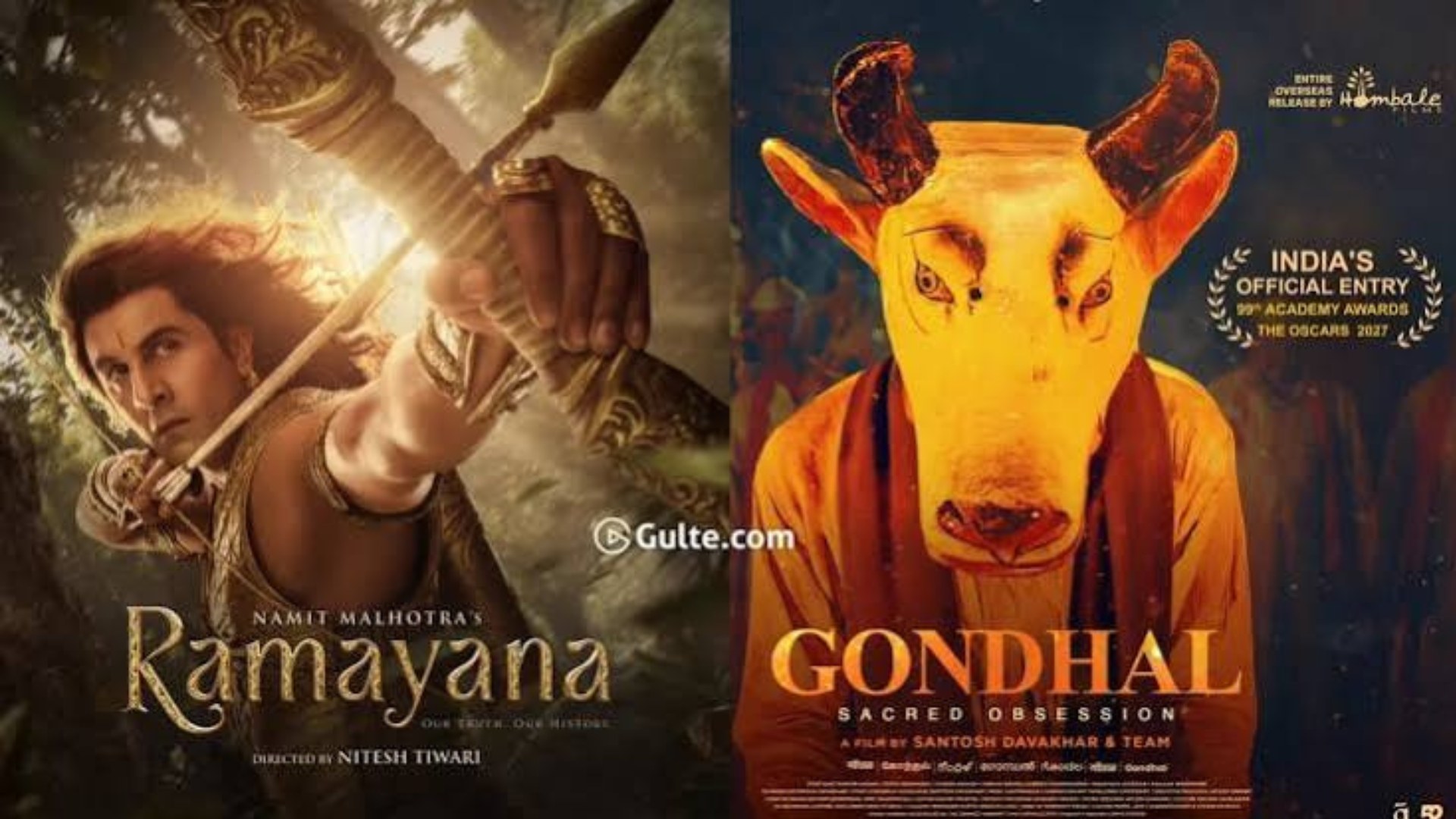
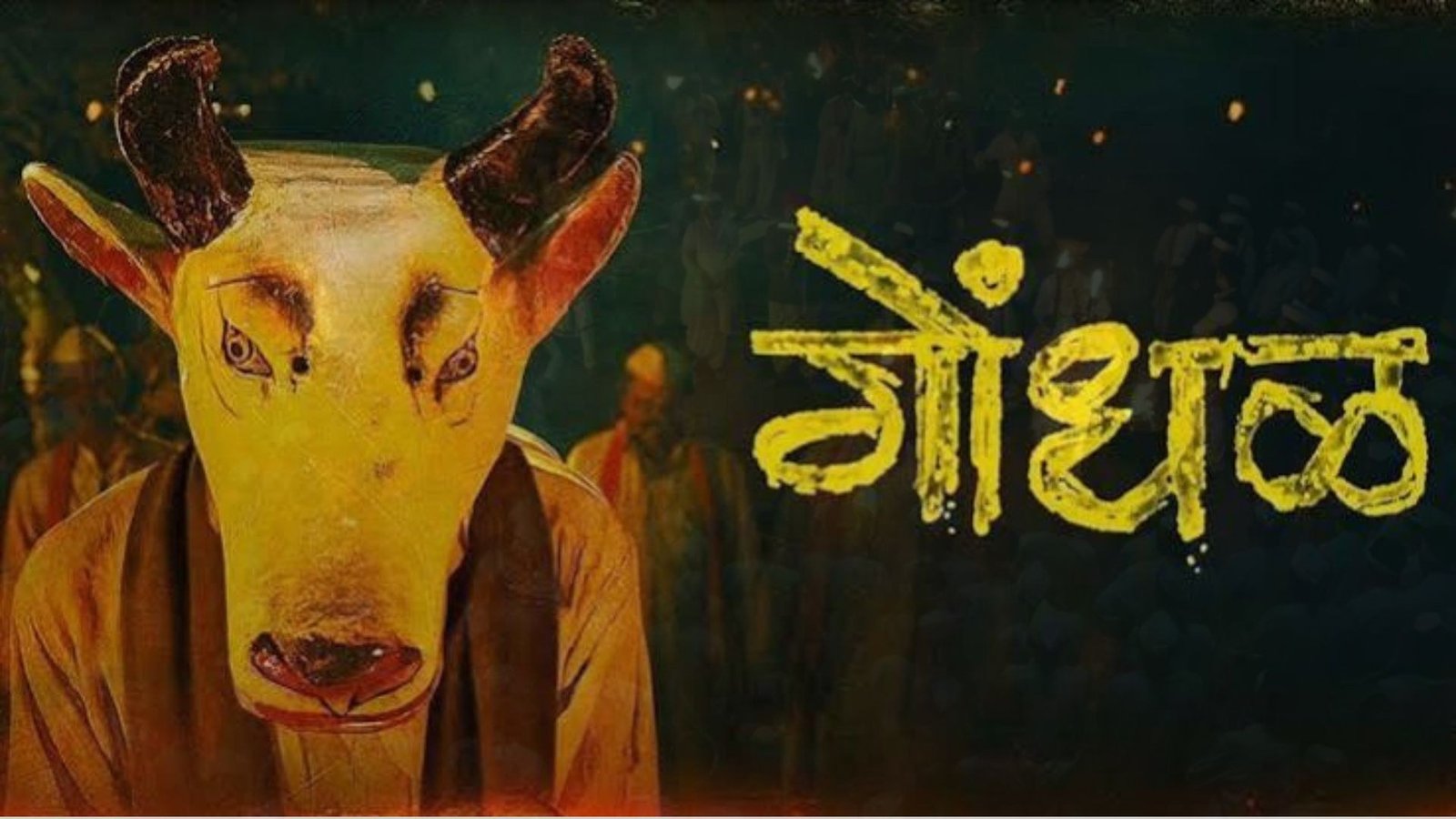
India's official Oscar 2027 entry, the Marathi film Gondhal, offers a visually rich cinematic experience rooted in the traditions and social realities of rural Maharashtra. Set against the backdrop of a village wedding and the traditional Gondhal ritual, the film creates an atmosphere that holds the viewer's attention, even when its storytelling does not fully deliver on its promise.

Gondhal Review: A visually striking cinematic experience
One of the film's biggest strengths is its cinematography. The visuals capture the atmosphere of a Maharashtrian village, bringing its customs, celebrations and social structures to the screen. The wedding setting becomes more than just a backdrop, gradually revealing the local power equations and deeply rooted beliefs that shape the characters' lives.
Cinematographer Amalendu Chaudhary gives the film a distinct visual identity. The production also benefits from a notable technical achievement: its opening sequence reportedly unfolds through a continuous shot lasting around 25 minutes.
Ilaiyaraaja's music adds depth
Veteran composer Ilaiyaraaja's music is another major highlight. His compositions complement the film's cultural setting and contribute to its atmosphere. The music works alongside the visuals to create a sense of place, drawing audiences further into the world of the story.
Where the film falls short
Despite its impressive technical qualities, Gondhal does not entirely realise the potential of its narrative. Its setting and themes offer considerable scope for a compelling story, but the execution does not always match the strength of its visual presentation.
Written and directed by Santosh Davakhar, the film features Ishita Deshmukh, Kishor Kadam, Yogesh Sohoni, Nishad Bhoir and Anuj Prabhu. Its story explores desire, relationships, tradition and the struggle for personal freedom within an unequal social structure.
Overall, Gondhal makes a strong impression through its cinematography, cultural atmosphere and music. While its storytelling leaves some room for improvement, the film offers a distinctive look at a regional tradition and the society surrounding it.





0 comments
No comments yet. Yours would be the first.