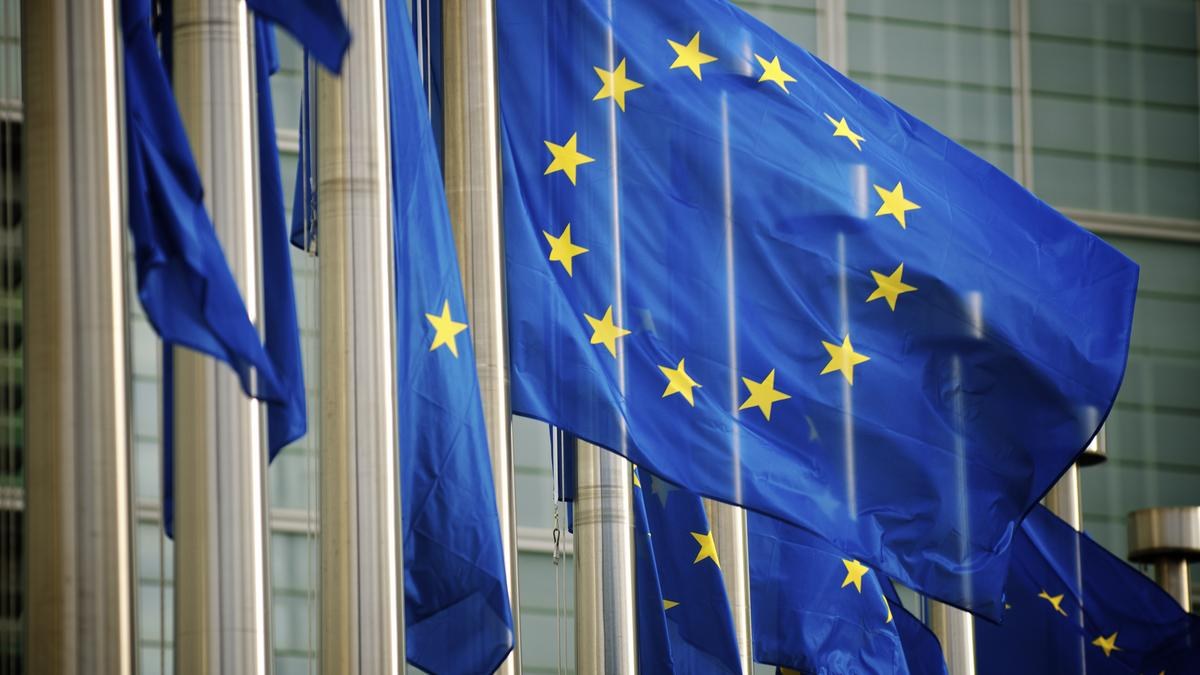
Five European Union countries are set to announce an agreement with Rwanda to establish a migrant return centre, which would be the first such facility outside the bloc, according to an AFP report published on November 16, 2026.

Germany, Denmark, Austria, Greece and the Netherlands have been pursuing the proposed arrangement as part of wider European efforts to increase the number of migrants returned after their asylum applications are rejected.
The announcement is expected at a migration conference in Vienna. Rwanda confirmed in August that it had begun preliminary discussions with several European countries, while diplomatic sources have indicated that it was the preferred location.
The proposed centre could begin operating as a pilot project in 2027, initially accommodating around 100 people. Diplomatic sources said each participating country could send approximately 20 migrants.
Unlike the earlier British plan involving Rwanda, which was later abandoned, the EU proposal would focus on people whose asylum claims have been rejected. The facility is not expected to operate as a detention centre. Rwanda has reportedly favoured calling it a "welcome centre", highlighting the possibility that some migrants could remain and work in the country.
Supporters argue that return hubs could improve deportation procedures and discourage irregular migration. However, human rights organisations have questioned their effectiveness and warned about inadequate oversight and the risk of migrants being left in legal uncertainty.
Human Rights Watch researcher Clementine de Montjoye criticised the proposed arrangement, citing concerns about Rwanda's record on repression, arbitrary detention and ill-treatment.
The International Organization for Migration said it was in discussions with some EU countries about plans for return hubs or similar mechanisms.
Editorial Disclosure
This article is rewritten from an AFP report published by The Hindu. Details about the proposed agreement, pilot capacity and expected timeline are attributed to diplomatic sources and people briefed on the discussions. The supplied report describes an expected announcement; it does not establish that the agreement has been formally signed or that the centre is operational.



0 comments
No comments yet. Yours would be the first.