
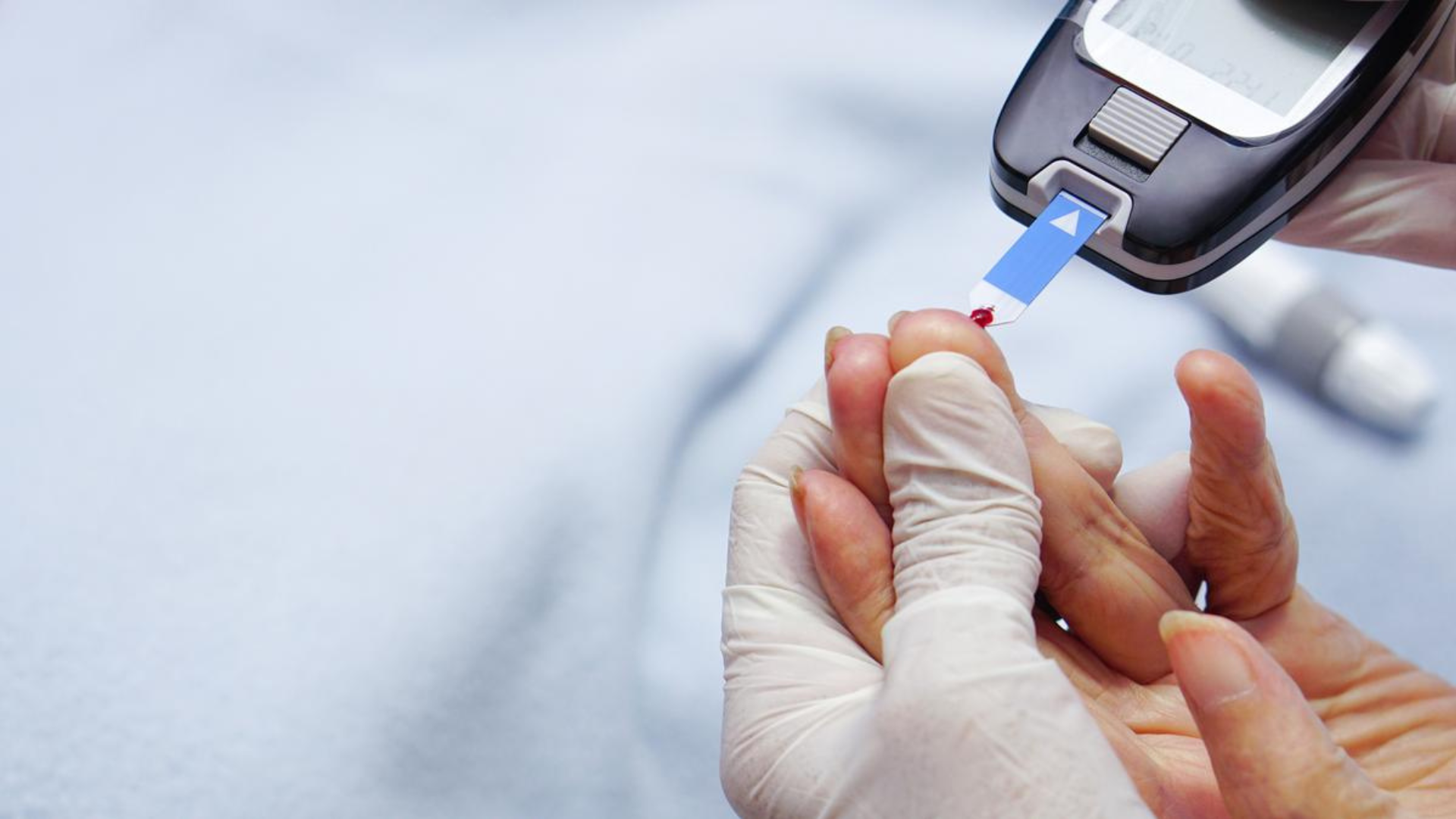
Type 2 diabetes is increasingly affecting younger adults, making early identification of blood sugar problems an important part of preventive healthcare. Although India's national population-based screening programme primarily covers adults aged 30 and above, younger individuals with specific risk factors may also need screening. These risk factors include a family history of diabetes, polycystic ovary syndrome (PCOS), excess abdominal fat and physical inactivity. Dr Gurusangappa S Mudagall, Consultant in Diabetes and Endocrinology at Manipal Hospital, Electronics City, highlights the importance of assessing metabolic health even before the age of 30. Diabetes and prediabetes may develop without obvious symptoms. Screening can help identify abnormal blood sugar levels before complications arise and allow individuals to seek timely medical advice. Two commonly used investigations are fasting plasma glucose and glycated haemoglobin (HbA1c). Fasting plasma glucose measures blood sugar after an overnight fast and helps identify abnormal glucose levels. The HbA1c test measures average blood glucose over approximately the previous two to three months, providing a broader picture of blood sugar control. Doctors may also recommend additional investigations depending on an individual's medical history, symptoms and risk factors. Screening requirements are not identical for everyone. People under 30 should discuss their individual risk with a healthcare professional rather than wait until they reach the age covered by routine population-based screening. Early detection, regular physical activity, balanced nutrition and maintaining a healthy weight can help reduce the risk of developing type 2 diabetes.








0 comments
No comments yet. Yours would be the first.