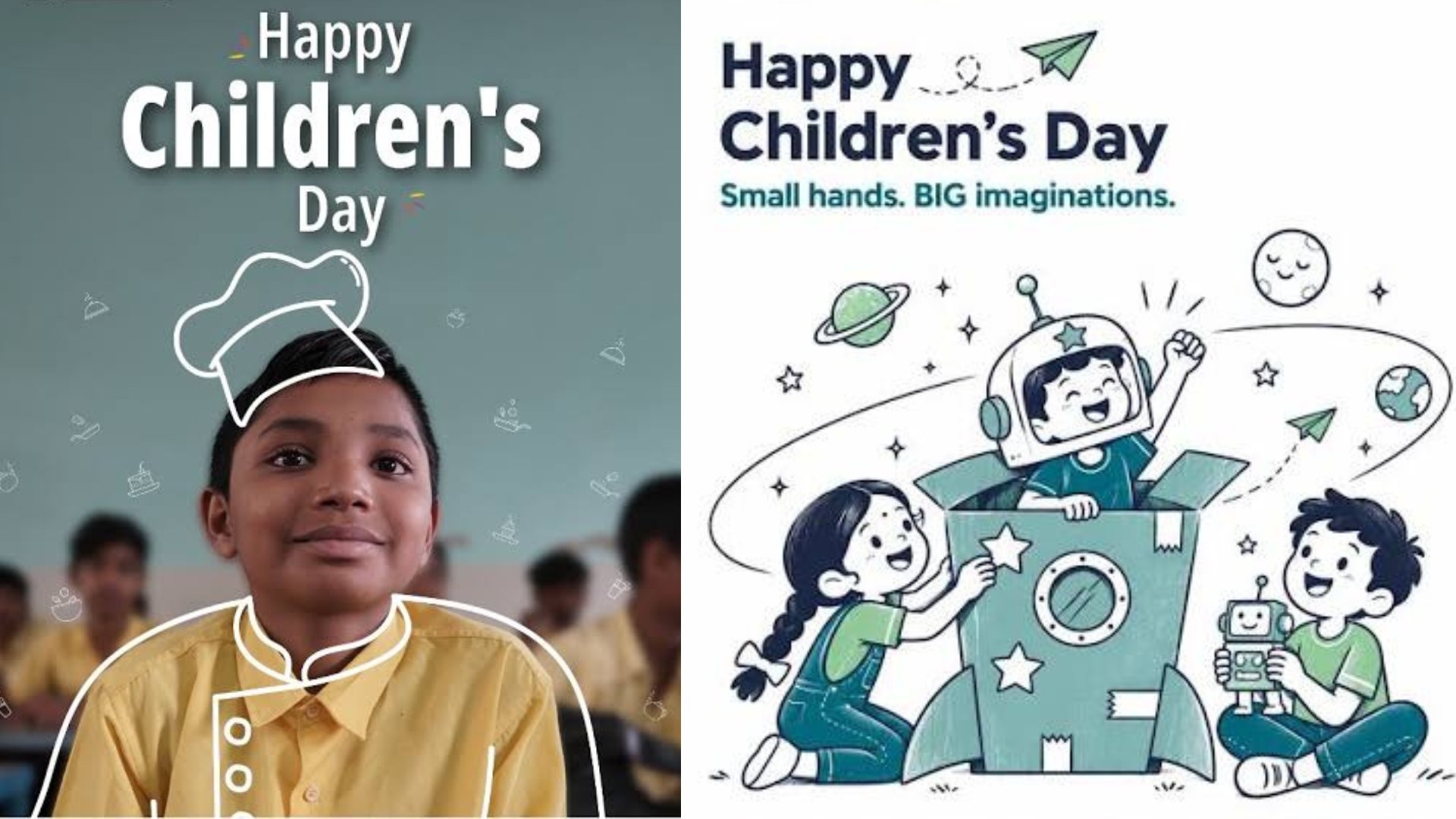
Children’s Day in India is an occasion to reflect on children’s education, well-being and development. Celebrated every year on November 14, the day marks the birth anniversary of India’s first Prime Minister, Jawaharlal Nehru.

This year, education experts are highlighting the importance of creating classrooms where children feel comfortable asking questions, expressing opinions and learning from mistakes. They believe education should go beyond examination scores and textbook knowledge to help students develop curiosity, confidence and independent thinking.
Neelu Kalro, Principal of JBCN International School, Chembur, says classroom infrastructure can influence how children participate in learning. She points to facilities such as innovation labs, science laboratories, art and music studios, and learning resource centres as spaces where students can experiment, research and exchange ideas.
She also stresses that learning environments should reflect children's developmental needs. Younger students benefit from spaces that encourage sensory exploration and imaginative play, while older students need opportunities for practical and collaborative learning.
Dr Mimansa Singh Tanwar, Clinical Psychologist and Head of the Fortis School National Mental Health Programme at Adayu and Fortis Healthcare, emphasises the role of trust and respectful communication between teachers and students.
She believes psychological safety allows children to express their thoughts without worrying about being mocked or judged. Open discussions, role plays and project-based activities can help students explore real-life concerns, including examination pressure, peer expectations and disagreements with friends.
Priyanka Kartari, psychologist and founder of The Thought Co, observes that traditional classroom practices can sometimes place greater emphasis on discipline and expected behaviour than on independent thinking.
She argues that children may hesitate to participate when they feel only one answer is acceptable or that mistakes will invite embarrassment.
The experts' broader message is that education should not simply teach children to remember information or follow instructions. Classrooms should also help them develop the confidence to question ideas, consider different perspectives and express themselves.





0 comments
No comments yet. Yours would be the first.