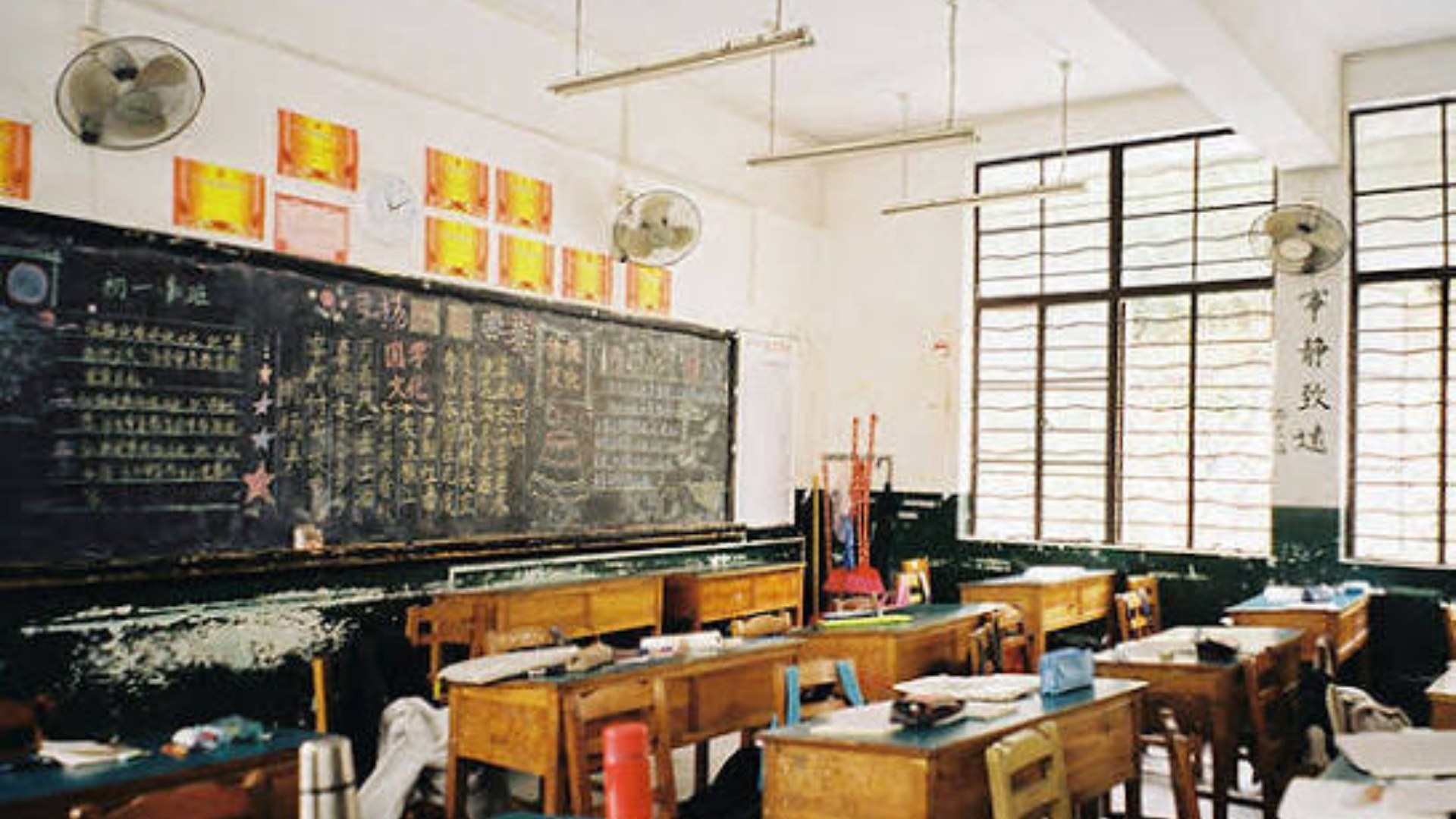
Artificial intelligence tools are increasingly being introduced into education, but their usefulness in everyday classrooms remains a subject of debate. A recent experiment by mathematics educator Dan Meyer compared five AI-powered tools by asking them to create the same worksheet for fifth-grade students.

The experiment followed a Gallup survey finding that 59% of US K-12 educators used AI tools during the 2025–26 school year, while 41% reported no use. The survey, conducted with 1,952 educators, included teachers, paraprofessionals and other classroom staff.
Five AI tools, one worksheet
Meyer tested MagicSchool, Brisk Teaching, Diffit and general-purpose AI models from Anthropic and OpenAI. Each system received the same prompts to create supplementary mathematics worksheets focused on subtracting mixed numbers.
The comparison highlighted practical differences in the generated materials. Some worksheets did not provide enough space for students to show their calculations, while others presented fractions in inconsistent formats or arranged mathematical expressions differently from the original examples.
Meyer also described how attempts to correct these issues through additional prompts sometimes produced new formatting problems. The experiment suggested that generating a worksheet is not necessarily the same as producing classroom-ready teaching material.
In his November 11 article, Meyer argued that teachers need reliable, predictable resources rather than tools that require repeated instructions and corrections.
He suggested that educators working under time pressure may find the process of adjusting AI-generated materials more frustrating than helpful.
The findings highlight an important challenge for educational technology companies: AI tools must produce accurate, appropriately formatted and usable resources if they are to become part of teachers' everyday routines.






0 comments
No comments yet. Yours would be the first.