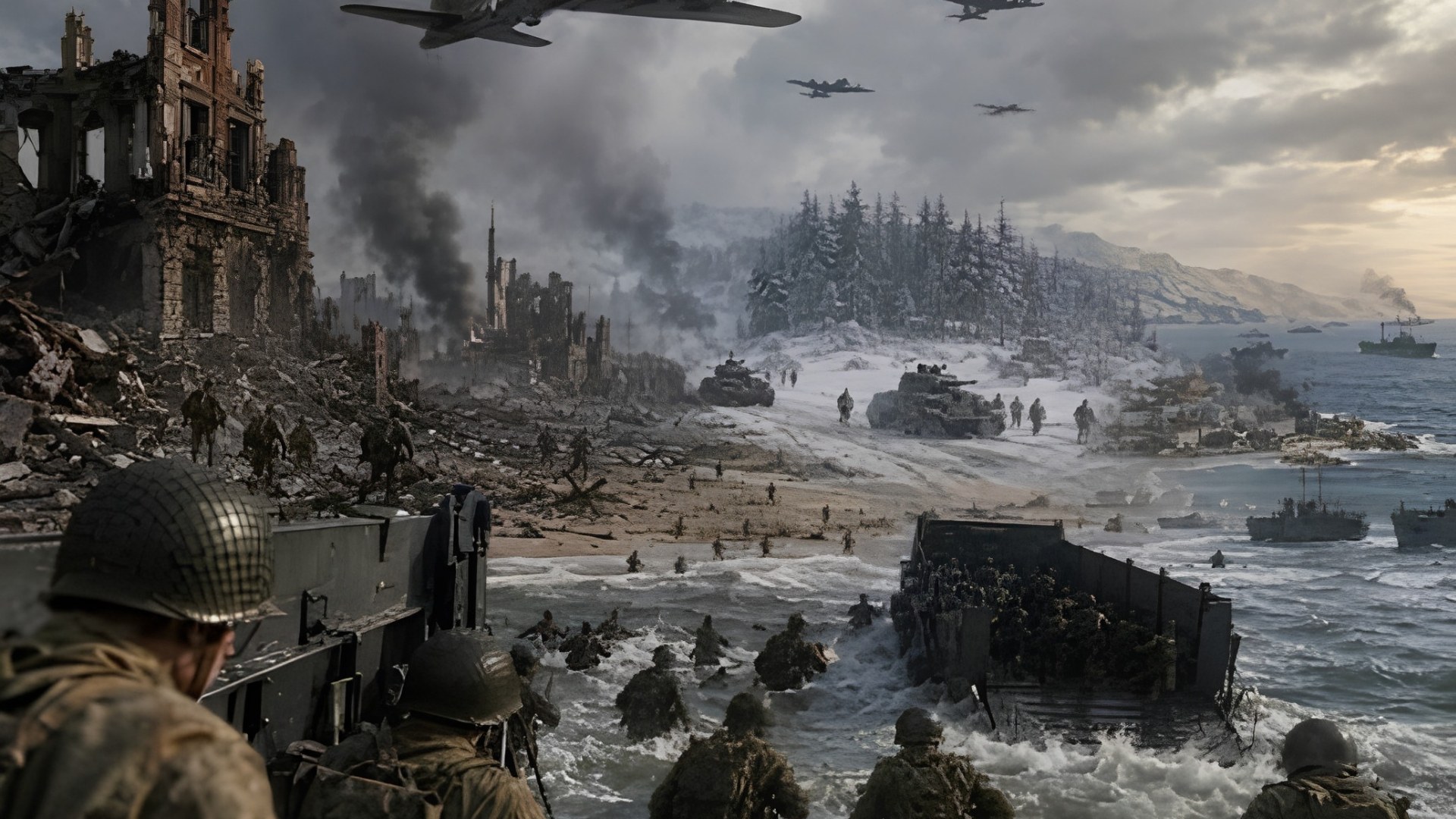
World War II continues to offer important lessons for modern military conflicts, particularly as technology, artificial intelligence and changing defence strategies reshape the battlefield. From the ongoing Russia-Ukraine war to tensions involving Iran, historical experiences highlight how nations must adapt to the changing nature of warfare.

One major lesson is the speed at which technology can transform military operations. During World War II, developments such as radar, sonar and code-breaking changed how battles were fought. Today, artificial intelligence, drones, precision satellites and unmanned systems are playing a similar role. The changing nature of the Ukraine conflict highlights the importance of investing in research, development and advanced military equipment.
Leadership is another critical factor. Historical naval battles demonstrated that military commanders need more than courage and aggression. Strategic judgement, patience and the ability to assess long-term consequences are equally important when making decisions during conflict.
Industrial capacity also remains central to military strength. During World War II, American shipyards produced more than one destroyer every week. Today, defence manufacturing and shipbuilding capabilities are increasingly important as countries compete to strengthen their military resources.
The fourth lesson concerns the human cost of war. Military personnel continue to face dangerous deployments involving missiles, drones, mines and other modern weapons. Their safety and the support they receive from their nations remain essential considerations.
As modern conflicts become increasingly technology-driven, World War II serves as a reminder that military success depends not only on advanced weapons but also on effective leadership, industrial preparedness and national unity.




0 comments
No comments yet. Yours would be the first.