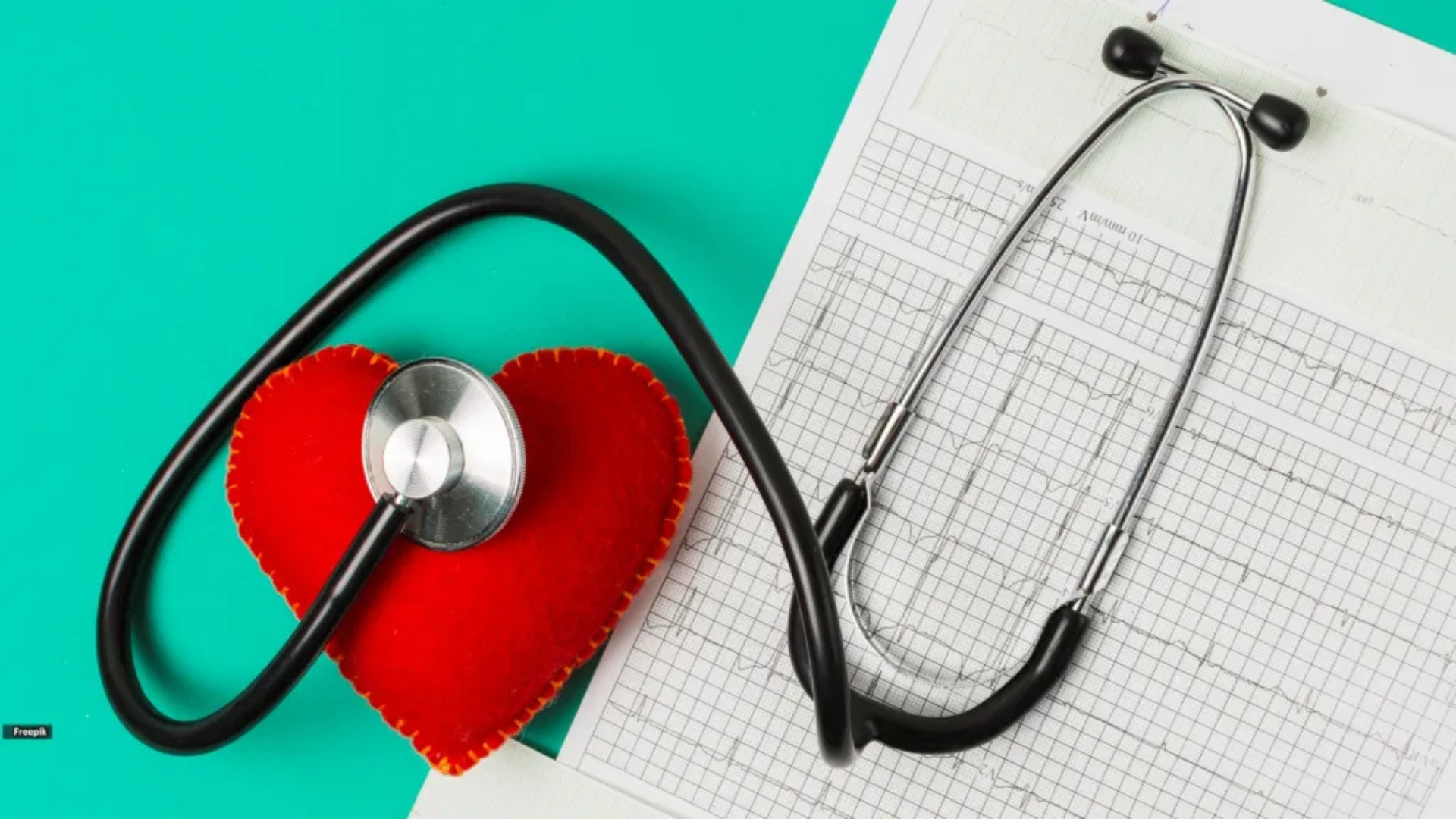
High cholesterol is a major risk factor for heart disease and stroke, but many people remain unaware of their condition because it rarely produces noticeable symptoms. The condition can develop silently over several years, allowing fatty deposits to accumulate inside the arteries. According to the World Health Organization (WHO), dyslipidaemia, which refers to unhealthy levels of fats in the blood, is one of the major modifiable risk factors for cardiovascular disease. Raised levels of low-density lipoprotein (LDL), commonly known as bad cholesterol, contribute to plaque formation along artery walls. Over time, this buildup can restrict blood flow and increase the risk of a heart attack or stroke. who.int +1 One of the biggest challenges is that high cholesterol does not usually cause pain, discomfort or other obvious warning signs. People may continue their normal routines without realising that their cholesterol levels are unhealthy. In many cases, the condition is identified through routine blood testing or following a serious cardiovascular event. A lipid profile is the primary blood test used to measure total cholesterol, LDL cholesterol, high-density lipoprotein (HDL) and triglycerides. These results help healthcare professionals assess cardiovascular risk. People with diabetes, high blood pressure, a family history of high cholesterol or existing heart disease may require more frequent screening. The Indian government's National Health Mission also identifies cholesterol testing as an important part of detecting cardiovascular risk. Maintaining a balanced diet, exercising regularly, avoiding tobacco and following prescribed treatment can help manage cholesterol levels. The important takeaway is that feeling healthy does not necessarily mean having healthy cholesterol levels. Regular health checks can help identify the problem before serious complications develop.










0 comments
No comments yet. Yours would be the first.