
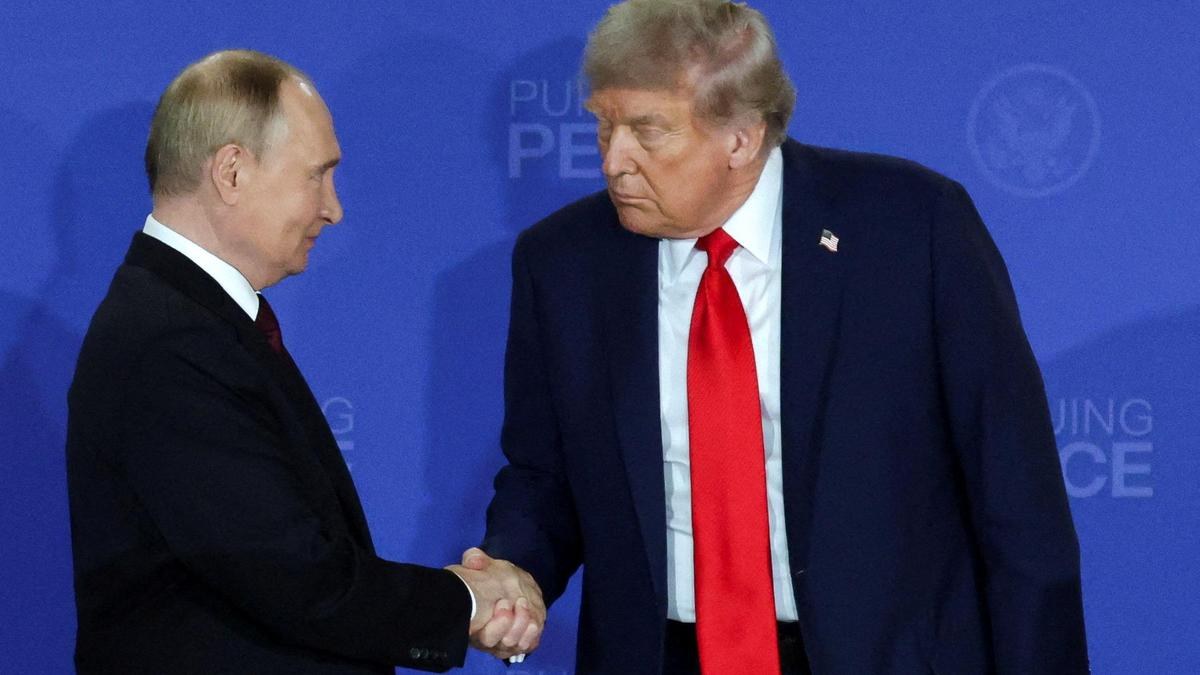
U.S. President Donald Trump announced on Sunday, October 11, 2026, that Russia and Ukraine had agreed to an “energy ceasefire” amid their ongoing war. However, Ukraine reported continued attacks on energy infrastructure following the announcement, raising questions about whether the proposed pause in strikes was being observed.

In a brief social media post, Trump said the ceasefire had taken effect immediately but provided no further details about its terms, duration or implementation. He also issued a direct warning, writing, “Do not break it!”
Ukrainian President Volodymyr Zelenskyy welcomed the announcement, describing it as “good news for everyone.” However, he said Russian attacks on energy infrastructure were continuing in Kyiv and the northeastern city of Kharkiv.
The conflicting statements highlighted uncertainty surrounding the announcement and its immediate impact on the ground. While Trump presented the agreement as an immediate ceasefire, Kyiv’s reports indicated that energy facilities remained under attack.
Energy infrastructure has been a significant concern throughout the Russia-Ukraine conflict, as strikes on power facilities can disrupt electricity supplies, heating and other essential services for civilians.
An energy ceasefire could potentially help protect critical infrastructure and reduce the impact of hostilities on ordinary people. However, its effectiveness would depend on the agreement’s specific conditions, compliance by both sides and the ability to verify reported violations.
As of the report, no additional details about the agreement had been provided by Trump. Questions remained over its scope and enforcement as Ukraine reported further attacks.
The situation continues to draw international attention, with the announcement raising hopes for a temporary reduction in strikes while reports from Kyiv point to ongoing uncertainty.



0 comments
No comments yet. Yours would be the first.