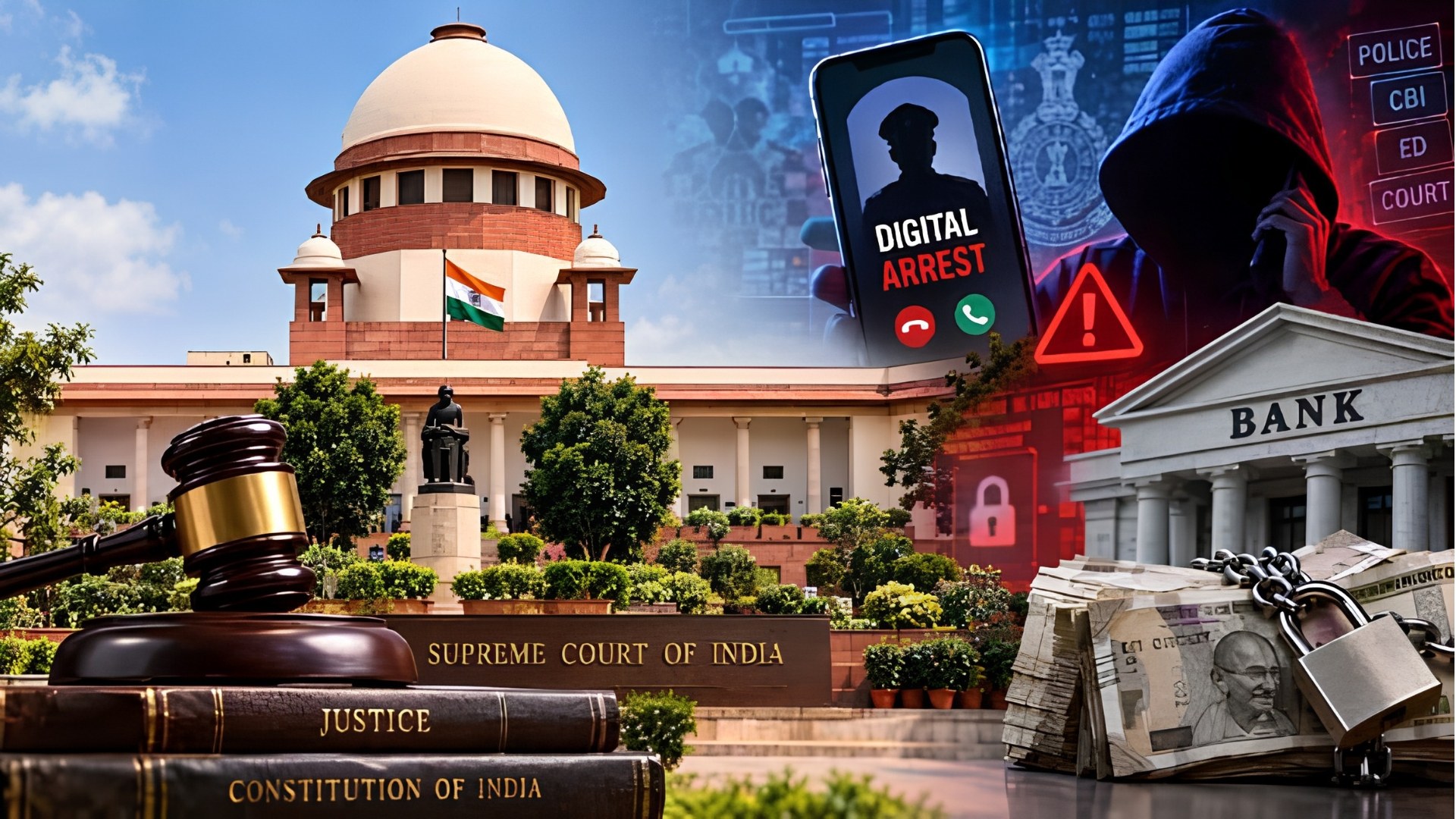
Cyber fraud victims in India may receive compensation from banks and financial institutions if investigations establish that negligence or failure to exercise due diligence contributed to the financial loss. The Supreme Court has called for stronger safeguards to make financial institutions more accountable for increasingly sophisticated online scams, including digital arrest frauds.

In an October 29 order, the Supreme Court directed the Reserve Bank of India (RBI) to include mandatory compensation provisions in its proposed regulatory framework. The compensation should not be lower than the amount lost by customers if a financial institution is found responsible for failing to prevent or report fraudulent transactions.
The proposed safeguards may require banks to temporarily suspend unusual transactions that differ from a customer's regular banking patterns, alert law enforcement agencies about suspicious activity and conduct physical verification where necessary.
The court has also asked the RBI to submit a list of authorised financial institutions and examine its proposed Know Your Customer (KYC) Amendment Directions, 2026. The directions are expected to be notified by November 30 and implemented by December 31.
Digital platforms have also come under scrutiny. WhatsApp and other intermediaries have been asked to present measures to prevent digital arrest scams and related cybercrimes to the Indian Cybercrime Coordination Centre. During the proceedings, WhatsApp informed the court that it had taken action against 9,400 accounts and was developing technology to identify suspicious activity.
The issue remains serious, with around Rs 800 crore reportedly lost to cybercrime this year, despite a reported 50% decline in such offences.
Digital arrest scams typically involve fraudsters impersonating police officers or investigative agency officials to intimidate victims into transferring money.









0 comments
No comments yet. Yours would be the first.