
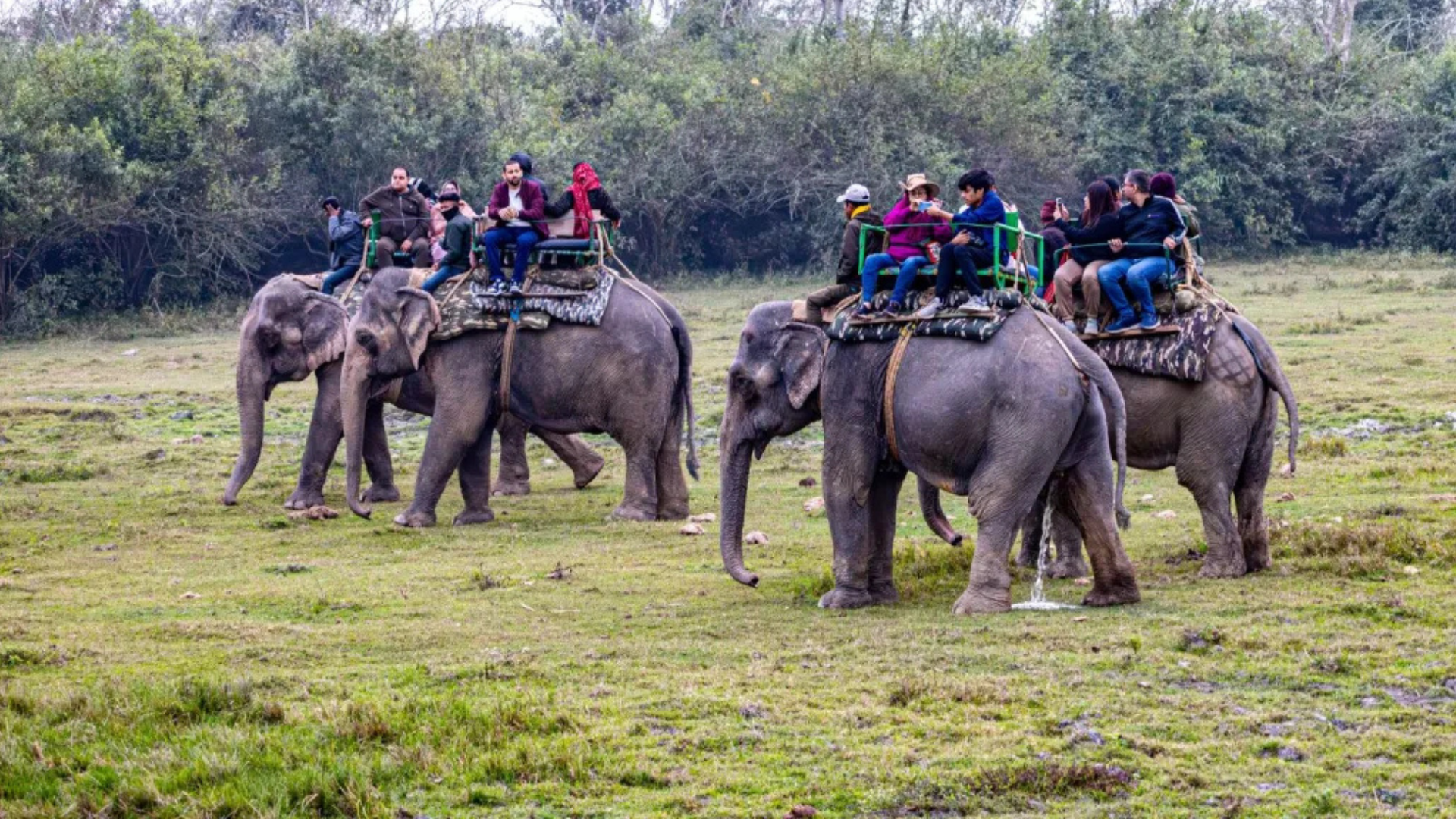
Safari season is returning across several parts of India as national parks and wildlife sanctuaries reopen after the monsoon. For travellers planning their first forest safari, the experience is about more than spotting a tiger or other famous animals. It is also an opportunity to observe the wider ecosystem and understand how wildlife behaves in its natural surroundings.
Popular destinations such as Ranthambore and Sariska in Rajasthan and Jim Corbett National Park in Uttarakhand attract visitors during the safari season. However, opening dates, safari zones and visitor access can vary between parks, so travellers should check the latest information with the respective forest department or official booking platform before planning a trip.
First-time safari-goers should dress in comfortable, neutral-coloured clothing and carry essentials such as water, sunscreen, binoculars and a hat. Early morning safaris can be particularly cold in some regions, making a light jacket useful.
Patience is another important part of the experience. Wildlife sightings are never guaranteed, and spending the entire safari looking for a tiger can mean missing birds, reptiles, deer, elephants and other animals that form part of the forest ecosystem.
Visitors should also follow park rules, maintain silence and avoid attempting to attract or feed animals. Staying inside the designated vehicle and following the instructions of guides and drivers are essential for both visitor safety and wildlife protection.
With parks reopening after the rains, the safari season offers travellers a chance to explore India’s forests responsibly while experiencing wildlife beyond the headline animal sightings.





0 comments
No comments yet. Yours would be the first.