
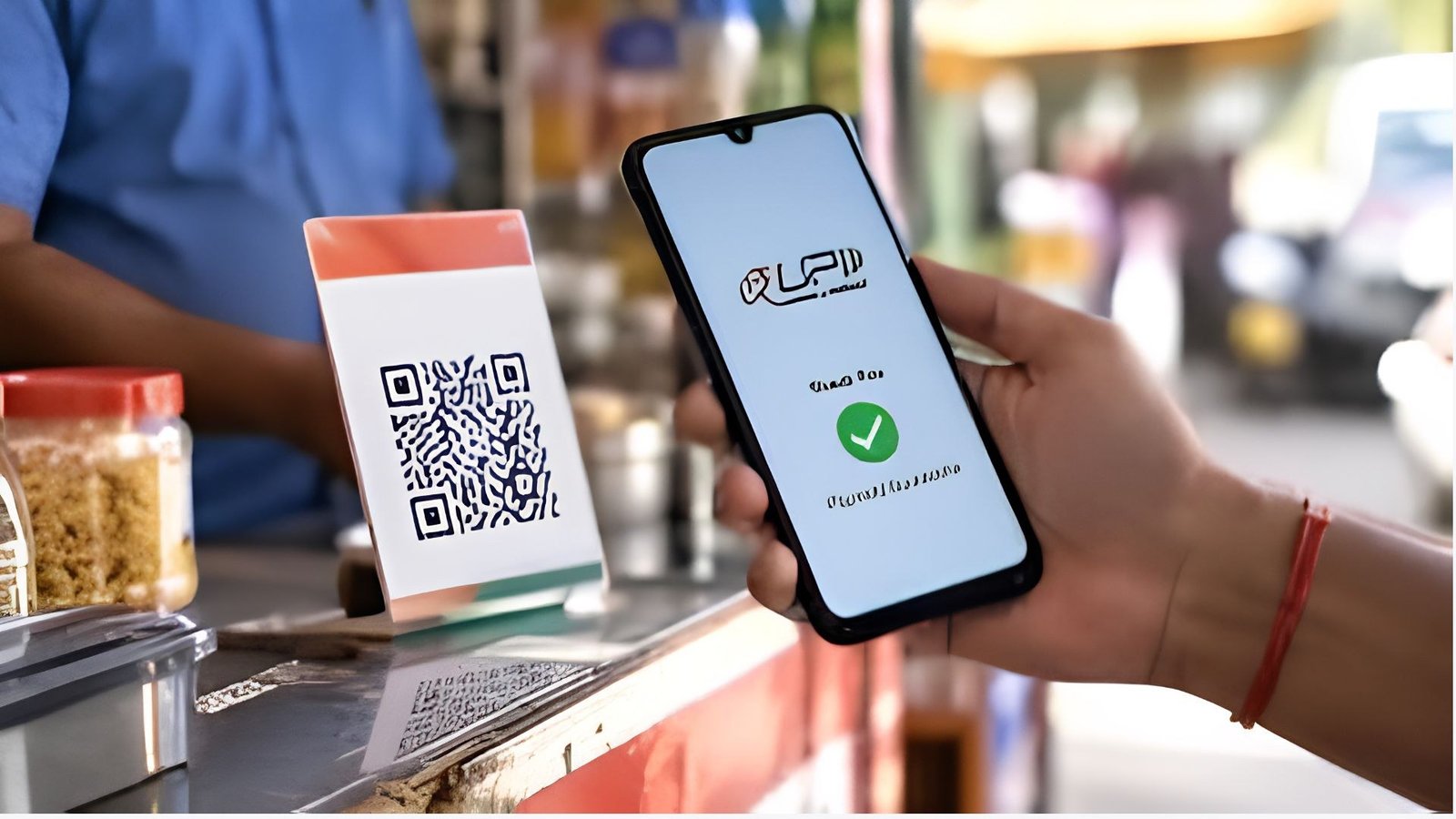
Splitting a large purchase into multiple ₹2,000 UPI payments may appear to help avoid the proposed Merchant Discount Rate (MDR), but repeatedly making identical transactions could attract attention from a bank’s fraud-monitoring systems.

Under the proposed framework from October 15, person-to-merchant UPI transactions above ₹2,000 would attract an MDR of 0.4%, while transactions above ₹75,000 would have a maximum MDR of ₹300 per transaction. Payments up to ₹2,000 and person-to-person transfers would remain outside the charge.
For example, a ₹6,000 bill paid through three separate ₹2,000 transactions would be assessed individually under the proposed threshold. However, experts caution that repeated payments to the same merchant within a short period could appear unusual to automated security systems.
Banks may also have daily transaction-count limits, meaning frequent payment splitting could potentially exhaust the applicable limit or result in temporary restrictions.
Merchants are not necessarily required to accept split payments either. They may prefer a single transaction against an invoice for accounting, reconciliation or refund purposes.
Importantly, MDR is a merchant-side cost, not ordinarily a customer charge. Consumers can report merchants who attempt to pass the MDR directly to them through their UPI app or acquiring bank.




0 comments
No comments yet. Yours would be the first.