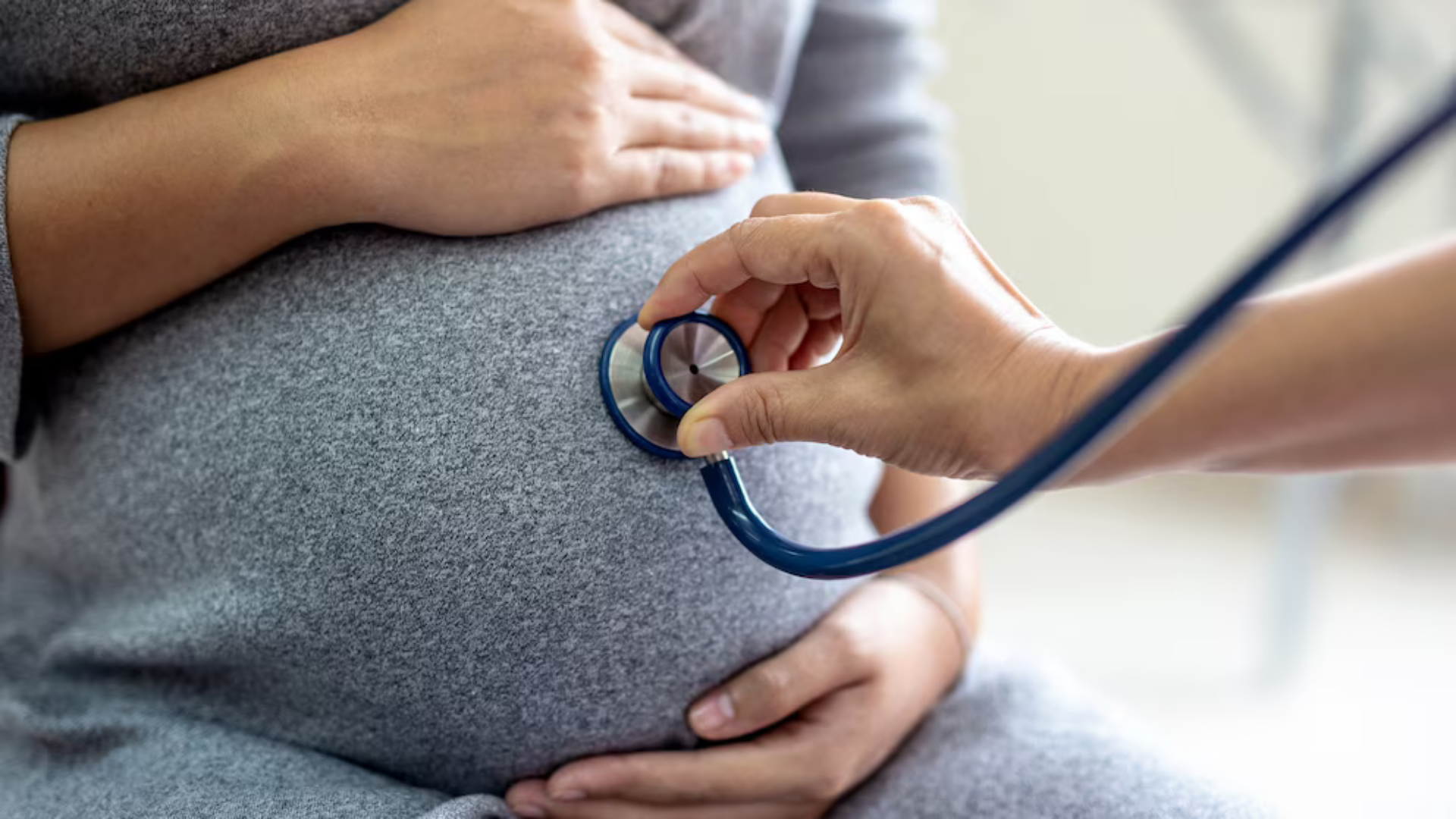
Pennsylvania has reported 97 confirmed measles cases among pregnant women in 2026, raising concerns among doctors and public health officials about potential complications for mothers and their babies. According to the Pennsylvania Department of Health, the figures were recorded as of November 6. The state's overall measles outbreak has also expanded, with more than 1,500 cases reported by November 9. The scale of the outbreak marks a significant increase compared with previous years. Pennsylvania recorded just 16 measles cases in 2025 and six in 2024, according to the Centers for Disease Control and Prevention (CDC). Health officials warn that contracting measles during pregnancy can lead to serious complications, including pneumonia in the mother, pregnancy loss, premature delivery and low birth weight. The infection can also pass to the baby before birth, potentially causing congenital measles. According to the CDC, newborns affected by congenital measles can face serious complications, including pneumonia and encephalitis. Doctors have also highlighted the challenges of monitoring pregnancies affected by measles, particularly because of the potential risks to fetal development and survival. Prevention remains an important concern. The CDC recommends receiving the measles, mumps and rubella (MMR) vaccine before pregnancy. However, the vaccine is not recommended during pregnancy because it contains live attenuated viruses. Pregnant women who have potentially been exposed to measles should contact their healthcare providers immediately. Immunoglobulin treatment may be available for those who are not immune and have been exposed recently. Health experts also encourage family members and close contacts to remain up to date with their vaccinations to reduce the risk of infection around pregnant women and newborns.



0 comments
No comments yet. Yours would be the first.