
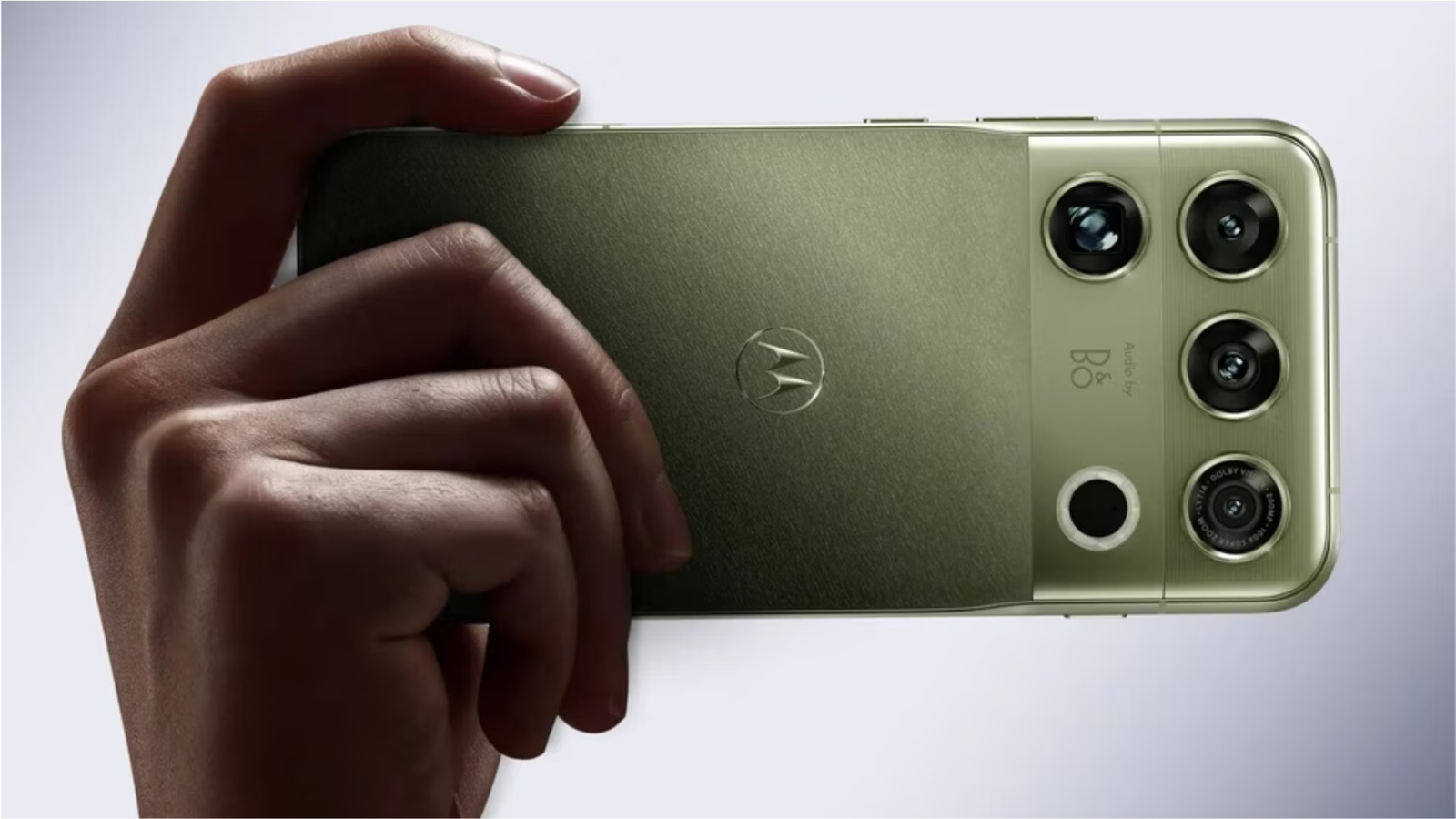
The Motorola Signature 27 brings a versatile camera system to the premium smartphone segment, featuring three rear cameras and a dedicated Event Vision Sensor (EVS). Its setup includes a 50MP main camera, a 50MP ultra-wide camera and a 200MP periscope telephoto camera. The main camera uses a Sony Lytia L910 sensor with an f/1.6 aperture, optical image stabilisation and LOFIC technology. The latter is designed to improve dynamic range in scenes with strong differences between bright and dark areas. By default, the camera combines four pixels to produce images at approximately 12.5MP. The 200MP periscope camera supports optical image stabilisation and offers 3x optical zoom in the Notebookcheck test. It is designed for detailed shots of distant subjects, while AI-powered digital zoom reaches up to 100x. The 50MP ultra-wide camera has a 122.1-degree field of view and also supports macro photography. During testing in Tromsø, Norway, the main camera produced detailed images with natural-looking colours and a good dynamic range, even under cloudy skies and limited daylight. Night photographs retained recognisable details, although some darker areas lost fine textures and bright light sources were occasionally overexposed. The periscope camera delivered good detail at its optical zoom range, particularly when photographing buildings and other stationary subjects. However, image quality declined in low light and at higher digital zoom levels, where noise and processing artefacts became more noticeable. The ultra-wide camera performed well in daylight, capturing detailed scenes with balanced exposure. Its weaknesses became clearer at night, when noise reduction softened textures and some artificial colours appeared exaggerated. Overall, the Signature 27 makes a promising first impression in daylight photography. Its cameras show limitations in difficult lighting and at extreme zoom levels, so a more detailed assessment will be needed to judge their full performance.








0 comments
No comments yet. Yours would be the first.