
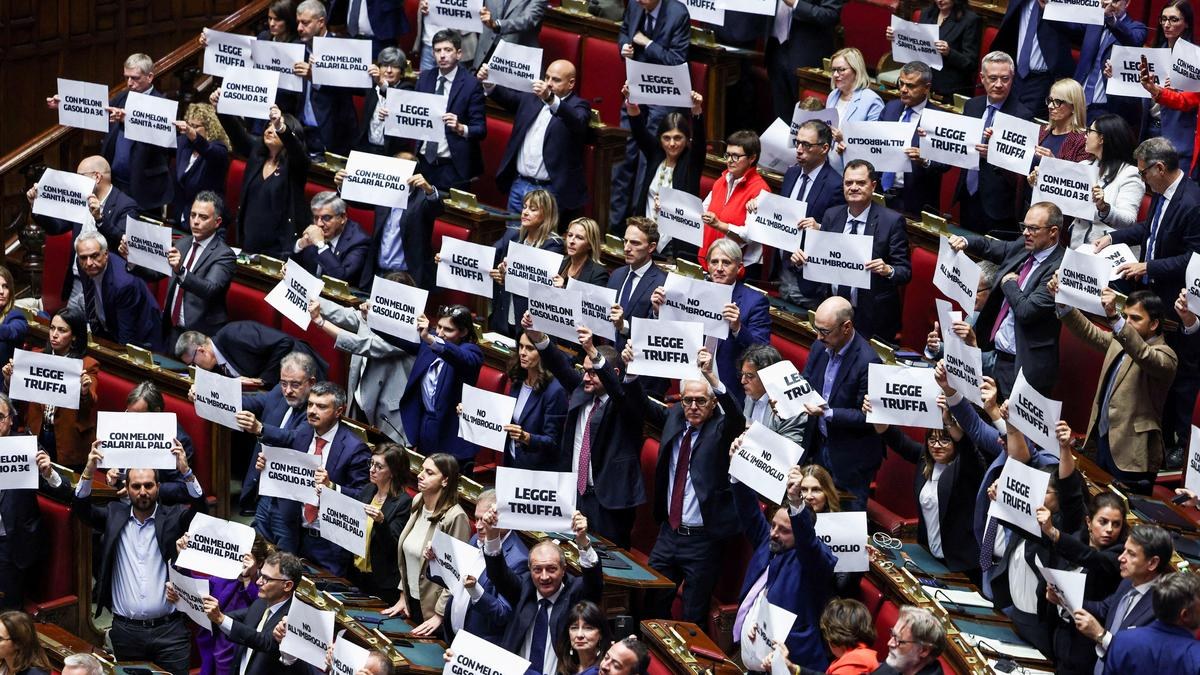
Italian Prime Minister Giorgia Meloni has successfully pushed through a major electoral reform, reshaping the country’s voting system into a fully proportional structure with controversial “bonus seats” for the most popular party or coalition.

The new rules, approved in parliament by 227 votes against 164 in a secret ballot, scrap the first‑past‑the‑post seats and place the entire legislature under proportional representation. A contentious clause guarantees up to 70 bonus seats in the Chamber of Deputies and 35 in the Senate for any party or coalition securing at least 42% of the vote.
Supporters argue the reform will bring political stability, noting that Meloni’s centre‑right coalition has already become the longest‑serving administration since World War II. They believe the bonus system will prevent fragmented parliaments and unstable governments.
However, critics and opposition lawmakers warn the changes are designed to help Meloni’s coalition, which is trailing in opinion polls, cling to power. They say the reform undermines democratic competition by disproportionately rewarding larger parties at the expense of smaller groups.
With just over a year before Italy heads to elections, the reform is expected to shape the country’s political landscape, sparking debate across Europe about the balance between stability and representation.




0 comments
No comments yet. Yours would be the first.