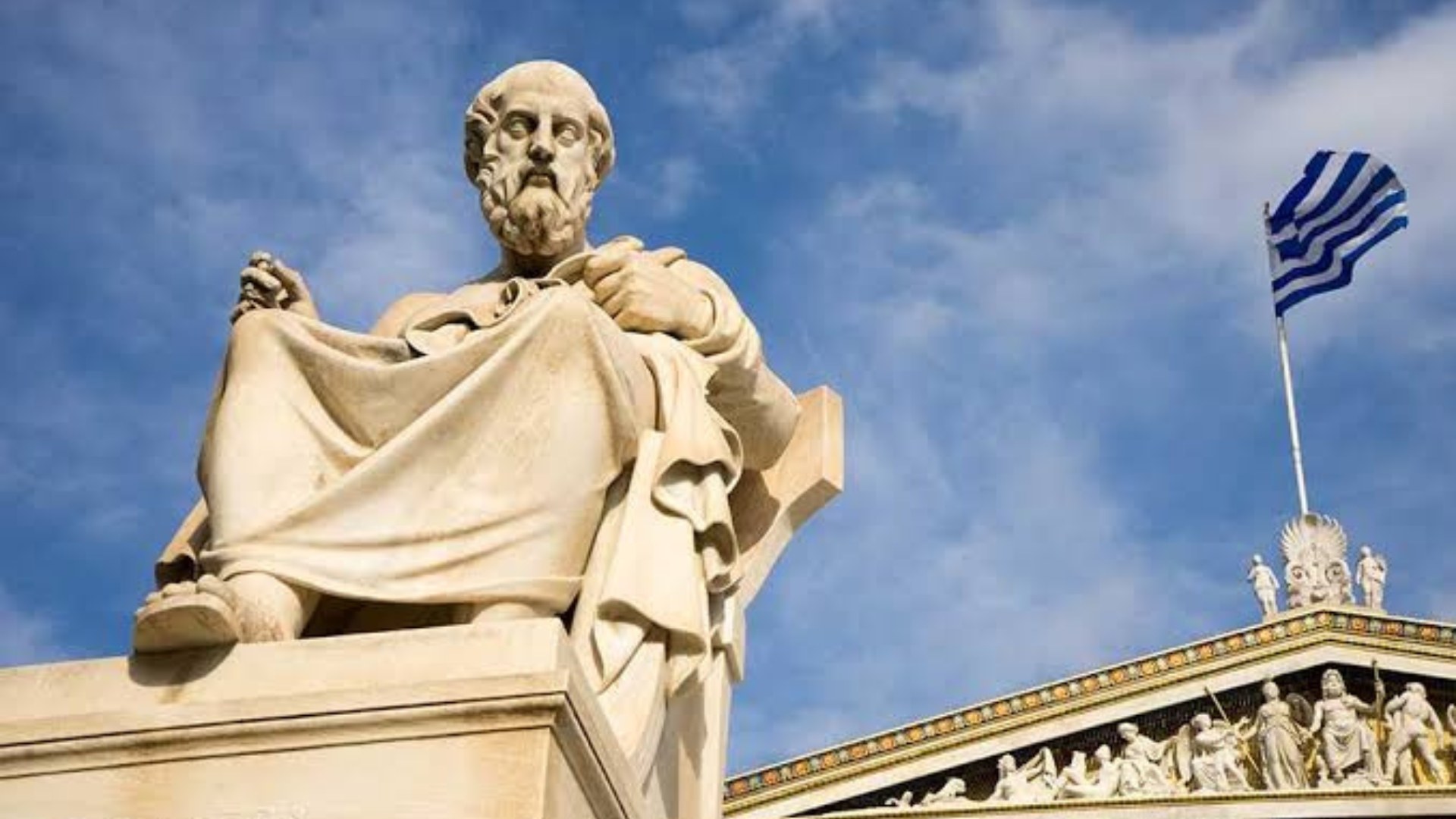
John Locke's theory of property is often associated with individual rights, labour and the limits of wealth accumulation. In his Second Treatise of Government, Locke argued that individuals could acquire private property by mixing their labour with resources found in nature. However, he also introduced a moral restriction known as the spoilage limitation.

According to this principle, individuals should only acquire as much as they can use before it spoils. Resources left unused and allowed to decay could be considered an unjust form of accumulation because others were being deprived of their share.
However, Locke's acceptance of money created a significant complication in this argument. Unlike food or other perishable resources, money does not spoil. It allows individuals to preserve wealth and accumulate resources beyond their immediate needs without violating the spoilage limitation in the same way.
This creates what critics describe as a loophole in Locke's property theory. A principle that initially appeared to restrict excessive accumulation could now accommodate the concentration of wealth and large-scale ownership of land.
Critics argue that this shift weakens the egalitarian aspect of Locke's original argument. By accepting money as a means of storing value, his theory can be interpreted as providing a philosophical justification for substantial economic inequalities and capitalist accumulation.
The debate raises an important question about Locke's political philosophy: does the acceptance of money undermine the moral limits he originally placed on private property? While his theory establishes an argument for individual ownership, its implications for wealth distribution remain a subject of philosophical discussion.




0 comments
No comments yet. Yours would be the first.