
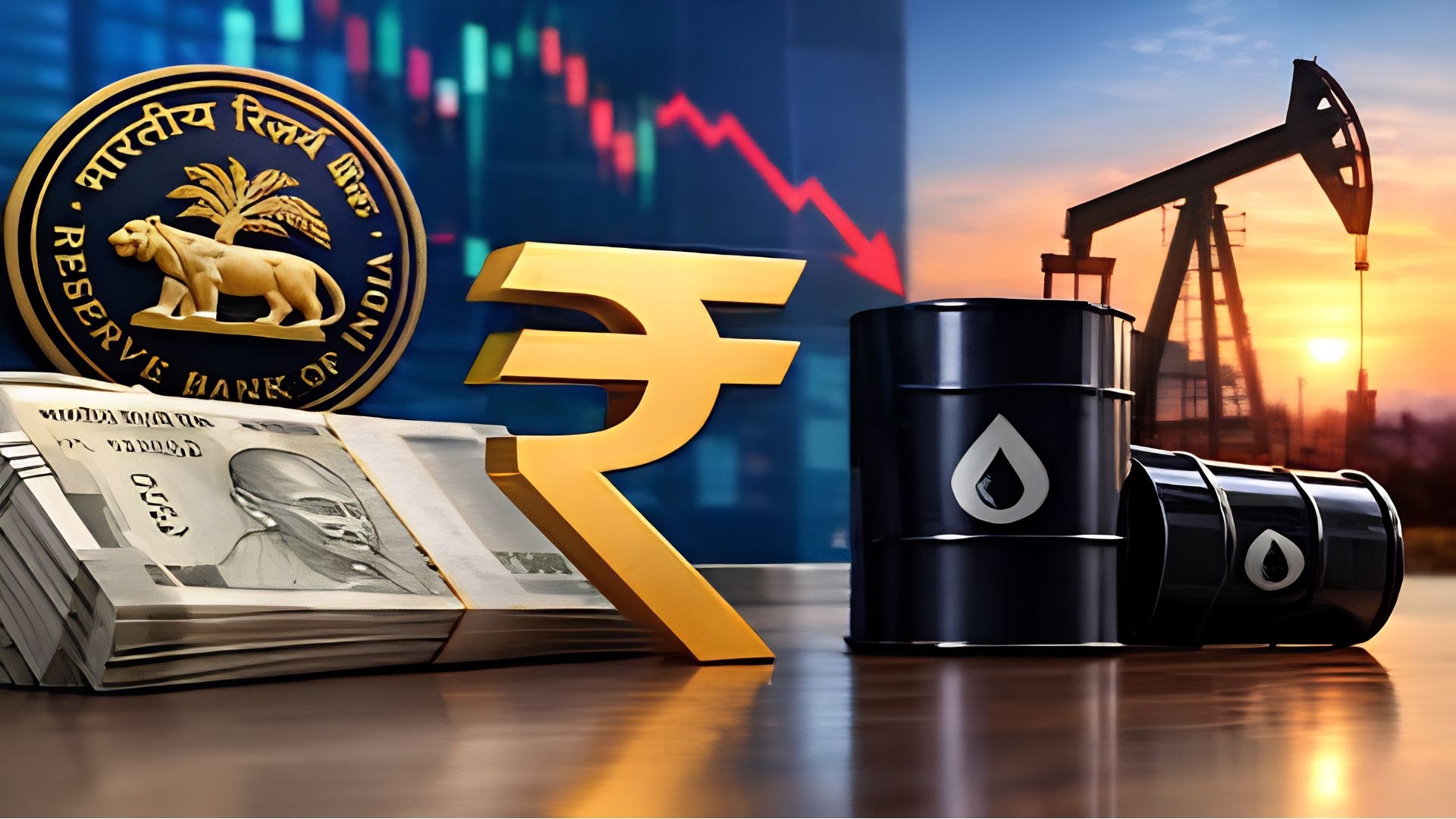
India’s economic growth remains strong, but mounting global pressures are raising questions about how well the economy can withstand a broader financial market downturn. Rising crude oil prices, a weakening rupee, higher global bond yields and continued foreign portfolio investor (FPI) selling are creating fresh challenges for policymakers and investors.

In a Moneycontrol interview published on October 23, 2026, N Mahalakshmi spoke with Rob Subbaraman, Chief Economist for Global Markets Research at Nomura, about the risks confronting India’s economy and financial markets.
The discussion examines whether India’s domestic growth momentum can provide sufficient protection if global investors move away from riskier assets. While robust economic activity offers some support, prolonged external pressure could affect capital flows, currency stability and market sentiment.
The rupee is another key concern. The Reserve Bank of India faces the challenge of managing currency volatility while avoiding measures that could unnecessarily restrict economic growth. Persistent pressure from expensive oil and global financial conditions could make that balancing act more difficult.
The interview also considers the wider forces shaping global markets, including the artificial intelligence investment boom, US Federal Reserve policy and geopolitical uncertainty. Changes in investor expectations around interest rates, technology valuations or international conflicts could trigger sharper market movements and influence capital flows into emerging economies.
For investors, the central question is whether India’s underlying economic strength will be enough to offset these external headwinds. The interaction between oil prices, currency movements, global bond yields and foreign investment flows will remain important in assessing the outlook.
The conversation explores the fault lines that investors should monitor as India navigates an increasingly uncertain global financial environment.



0 comments
No comments yet. Yours would be the first.