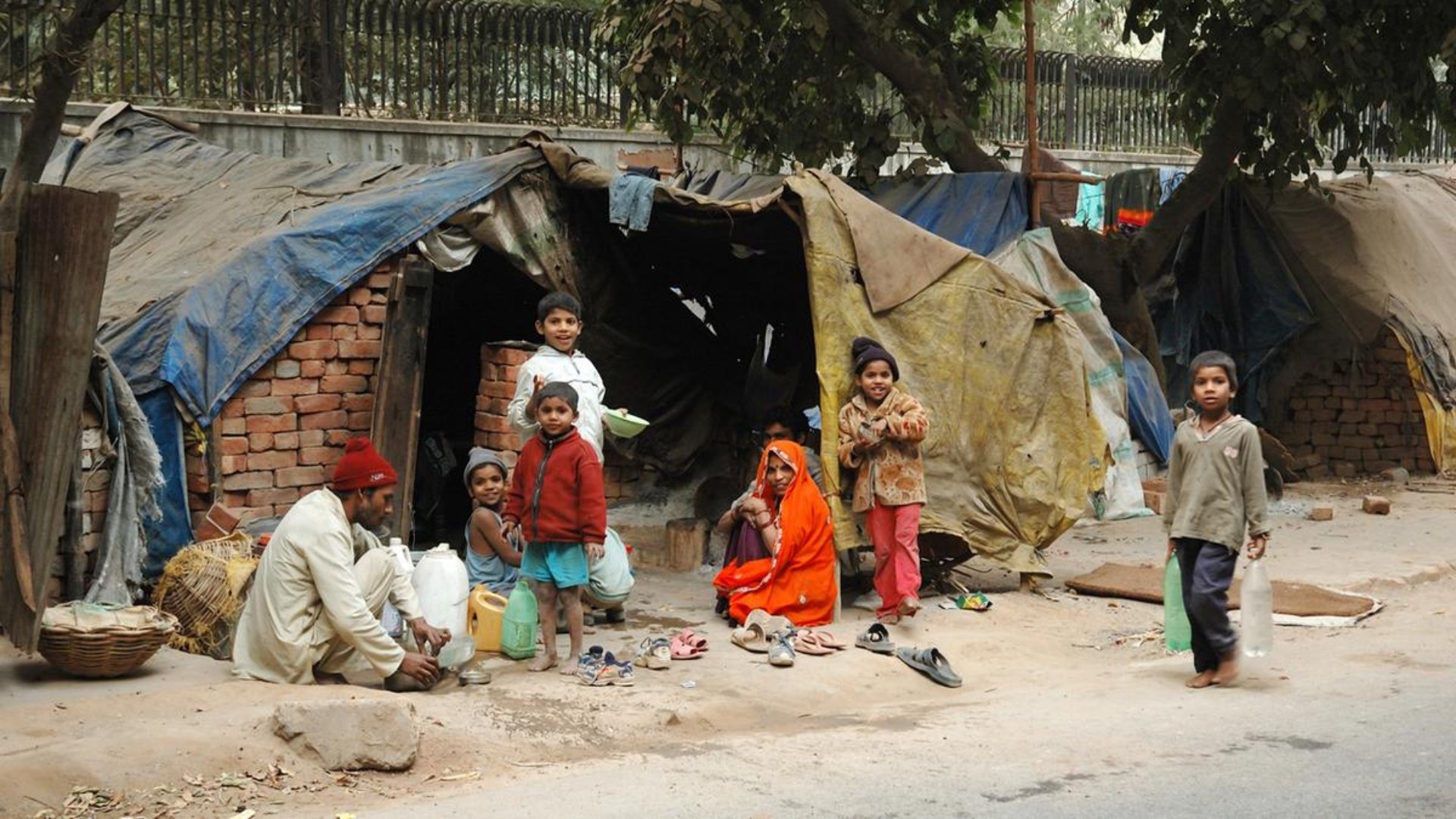
Extreme poverty in India declined to 2.6% in 2023, down from 5.3% in 2022-23, according to World Bank data. The latest figure marks a significant reduction in the share of the population living below the international extreme poverty threshold.

The World Bank measures extreme poverty using a daily income benchmark of less than $3 in 2021 Purchasing Power Parity (PPP) terms. At 2.6%, India's extreme poverty rate is more than 10 times lower than the 27.1% recorded in 2011.
Despite the decline, the World Bank has highlighted persistent income disparities across the country. Median earnings among the top 10% of workers were approximately 13 times higher than those of the bottom 10%, pointing to a substantial wage gap.
The report also noted that poverty is becoming increasingly concentrated in specific geographical regions. Around 57% of India's poor population lives in a belt extending from Uttar Pradesh to West Bengal.
The findings indicate considerable progress in reducing extreme poverty over the period covered by the data. However, the continuing gap in workers' earnings and the geographical concentration of poverty underline the challenges that remain.
While a lower national poverty rate reflects an improvement in overall conditions, the distribution of income and the concentration of deprivation across regions remain important measures of India's economic progress.






0 comments
No comments yet. Yours would be the first.