
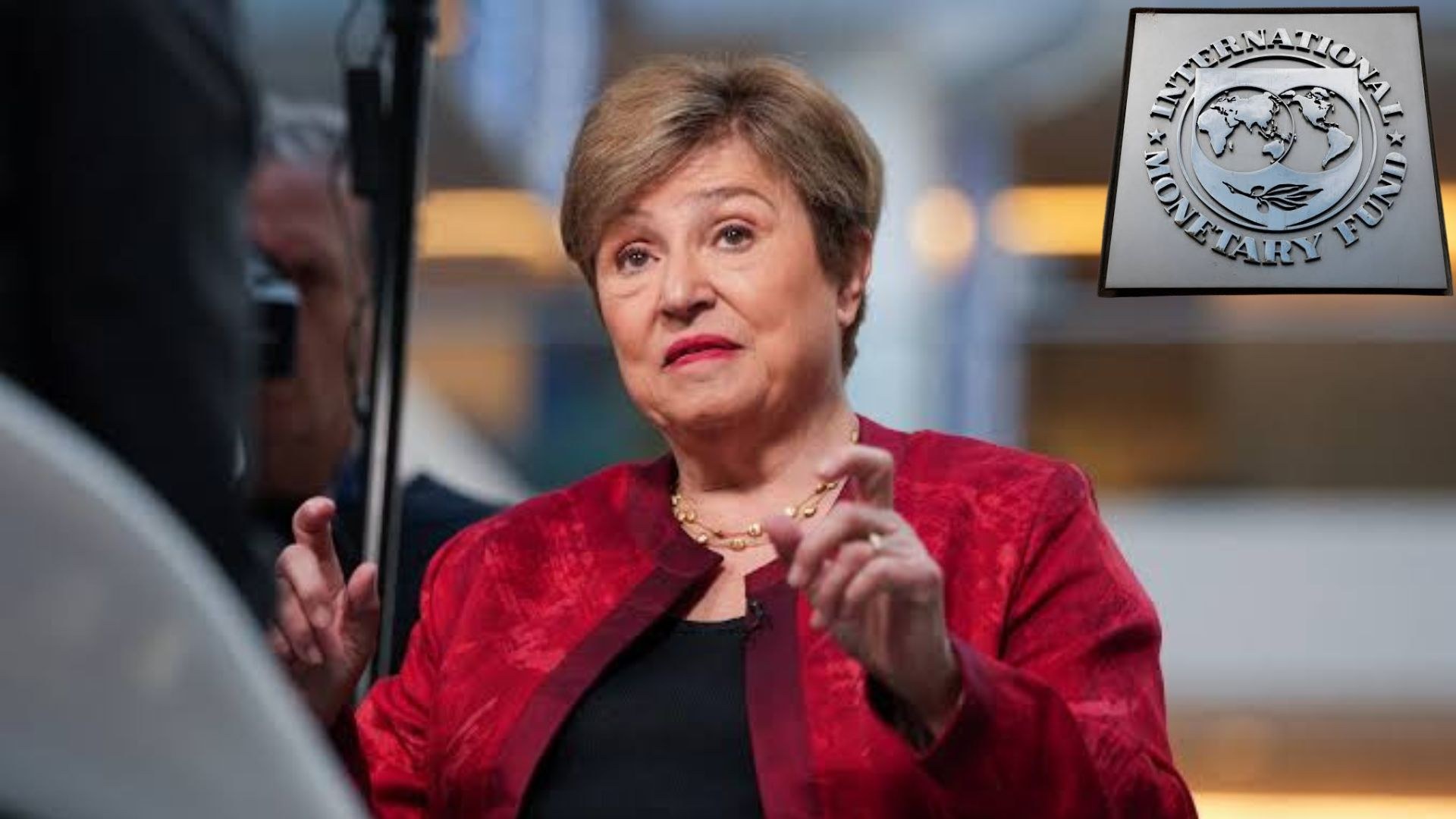
The International Monetary Fund (IMF) has warned that the economic consequences of the Middle East war could persist, putting global growth under pressure as energy supply disruptions affect prices, supply chains and business activity. Although market adjustments have helped cushion the initial shock, the Fund cautions that the global economy could face greater strain as temporary buffers diminish.

In its October 2026 World Economic Outlook, the IMF identifies the war-related energy shock and continued investment in technology and artificial intelligence (AI) as two major forces shaping the global economy. While technology investment is supporting economic momentum, higher energy costs and disrupted supplies are creating headwinds, with the impact varying across countries.
Strait of Hormuz disruption tightens oil supplies
The closure of the Strait of Hormuz disrupted a critical shipping route through which approximately 20 million barrels of oil, or around a quarter of global maritime oil trade, flowed daily before the war.
According to the IMF, producers redirected some supplies through alternative ports, while production outside the Persian Gulf increased by around 2 million barrels per day. Releases from global inventories provided another 4 million barrels per day. Despite these adjustments, demand had to decline by approximately 5 million barrels per day in the second quarter of 2026 to balance the market at higher prices.
China, the world's largest oil importer, also reduced its crude oil imports by 23% between March and June compared with the same period in 2025.
Inflation and weaker demand pose further risks
The IMF noted that improvements in energy efficiency and the expansion of renewable electricity have helped reduce the global economy's exposure to energy shocks. However, supply-chain indicators and manufacturing purchasing managers' indices point to the possibility of weaker economic momentum ahead.
Higher energy prices can raise transport, production and food costs, putting additional pressure on households and businesses. Energy-importing countries with limited fiscal flexibility may be particularly vulnerable, while some energy exporters outside the conflict zone could benefit from higher prices.
IMF calls for balanced policy responses
Policymakers face the challenge of controlling inflation without unnecessarily weakening economic activity. The IMF also stresses the importance of preserving fiscal resources, strengthening energy security, maintaining effective policy frameworks and encouraging international cooperation.
The longer the disruption continues, the greater the risk that higher energy costs will spread beyond oil markets into investment, trade and financial conditions. The IMF's warning highlights how the duration of the conflict and the depletion of temporary supply buffers could shape the global economic outlook.




0 comments
No comments yet. Yours would be the first.