
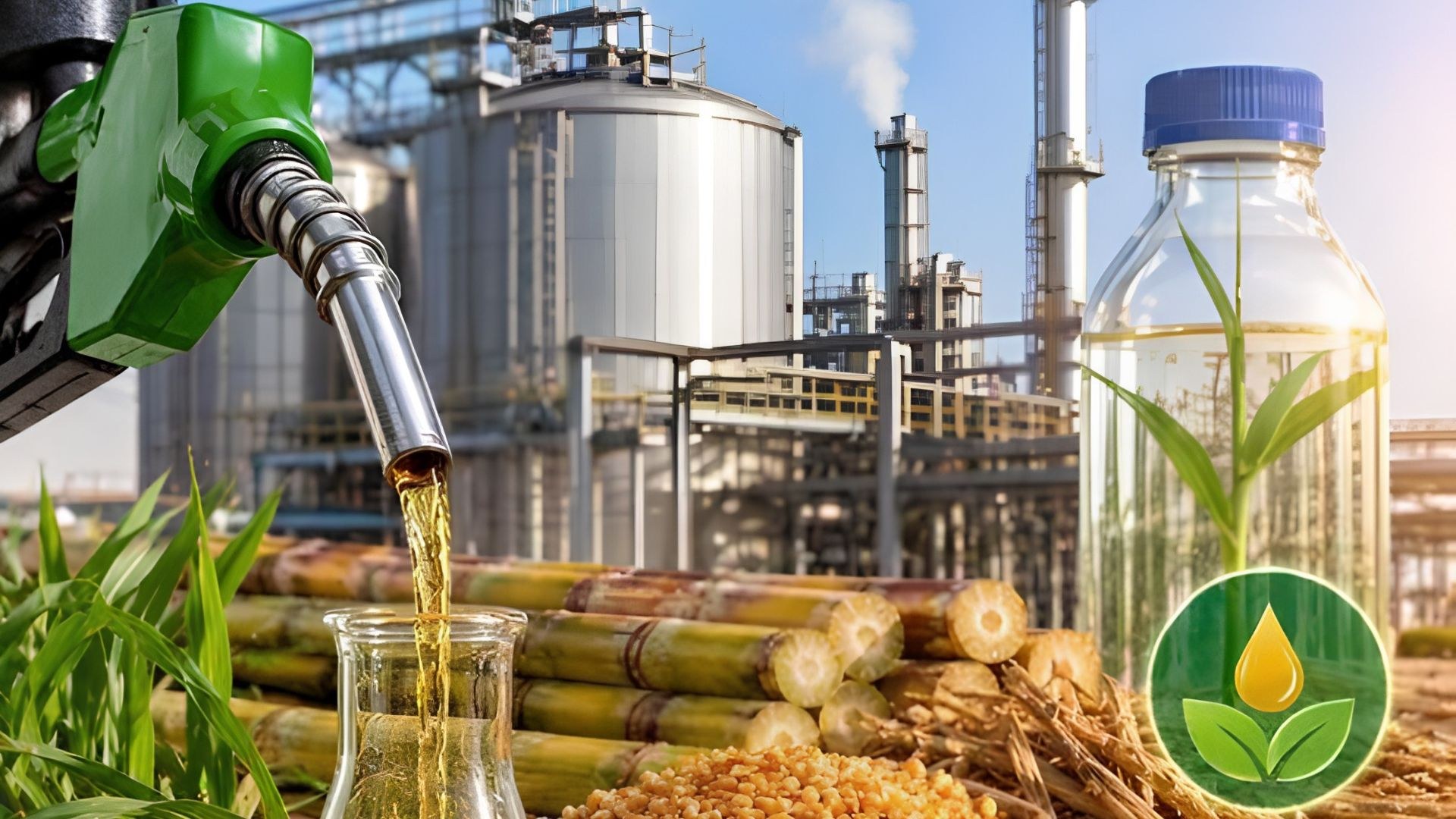
India’s latest ethanol procurement tender has raised concerns among grain-based ethanol producers and sections of the sugar industry over the prices of raw materials, supply allocations and the future of ethanol production.

The tender, issued by oil marketing companies (OMCs) for Ethanol Supply Year 2026–27, sets different procurement prices for various feedstocks. These include ₹60.32 per litre for surplus foodgrains, with a stated cap of 108 crore litres for the first three quarters, ₹64 per litre for damaged foodgrains, and ₹66 per litre for maize, along with an additional ₹2.79 per litre.
The pricing and allocation structure has prompted questions about how different feedstocks will compete for procurement opportunities. As rice gains ground in ethanol production, producers are concerned about the balance between feedstock availability, costs and allocation priorities.
The tender excludes ethanol made from sugarcane juice, sugar syrup and B-heavy molasses. However, ethanol produced using C-heavy molasses remains eligible for procurement.
The competing concerns highlight a wider challenge for India’s ethanol sector: ensuring a reliable supply of raw materials while maintaining viable production costs for manufacturers. Different feedstocks have different prices and availability, making procurement decisions important for both producers and the broader industry.
The outcome of these allocation choices could influence how grain-based and sugar-based producers approach the 2026–27 supply year. The central issue remains how to balance competing industry interests while supporting the country’s ethanol procurement framework.



0 comments
No comments yet. Yours would be the first.