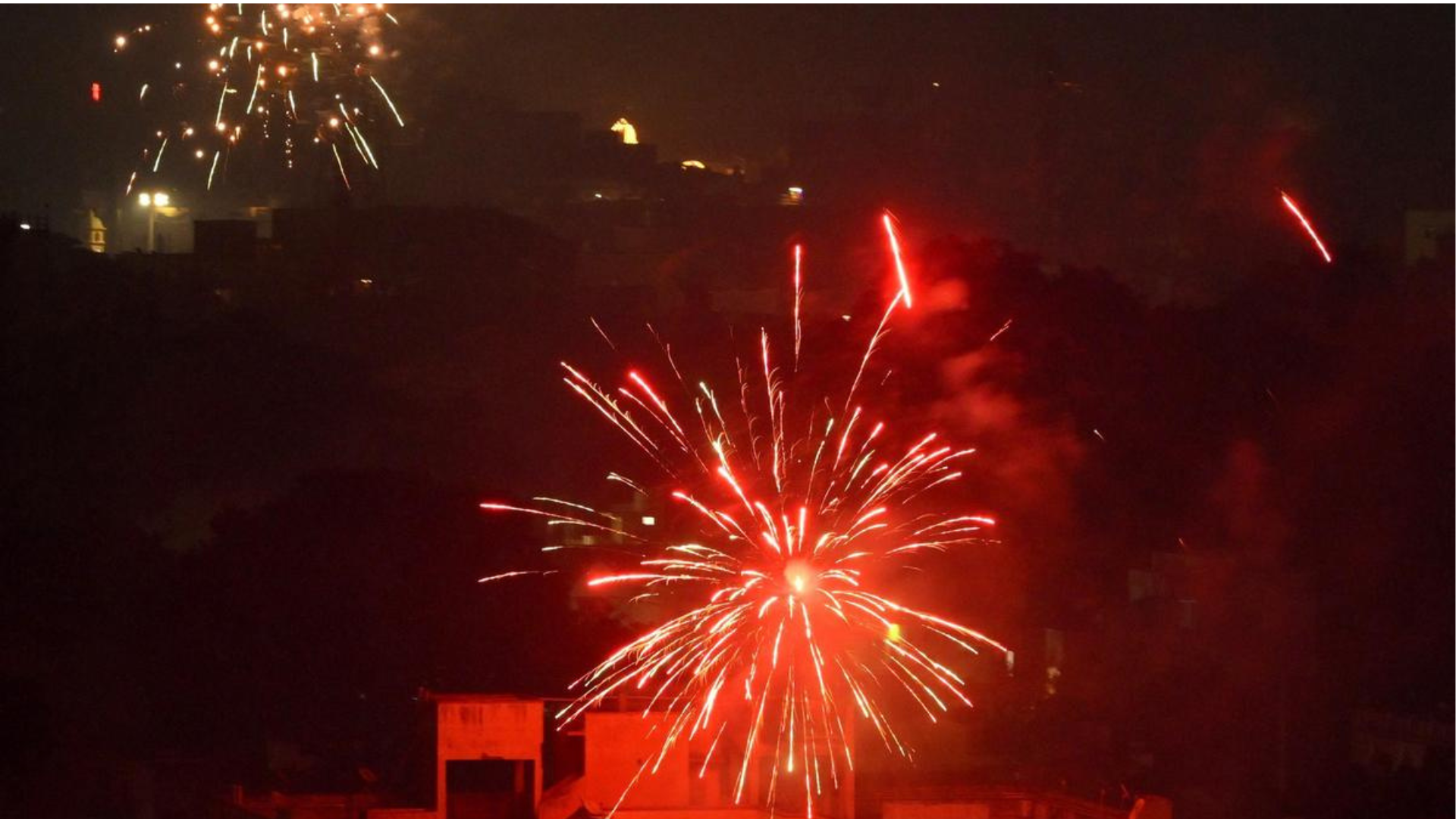
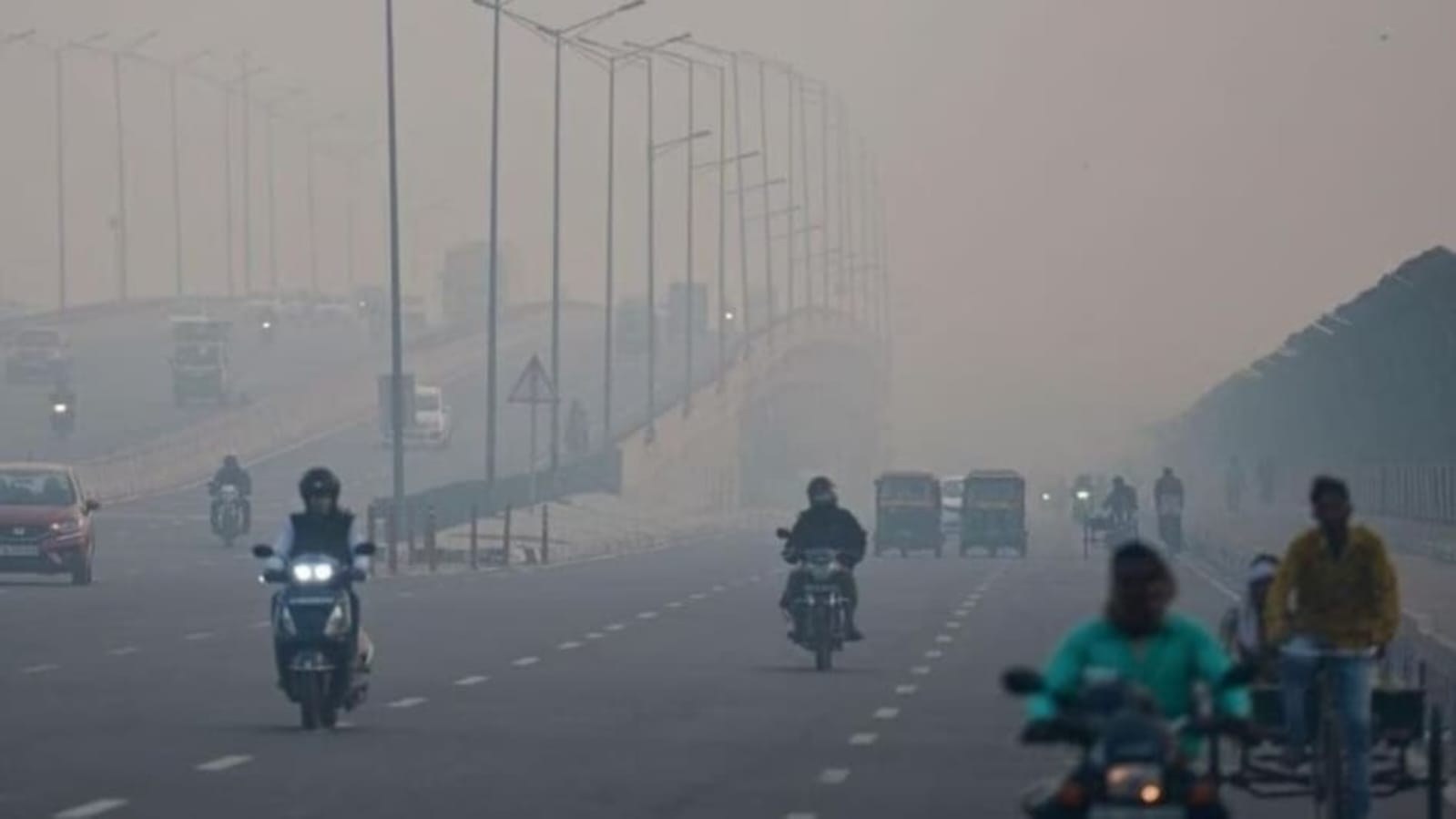
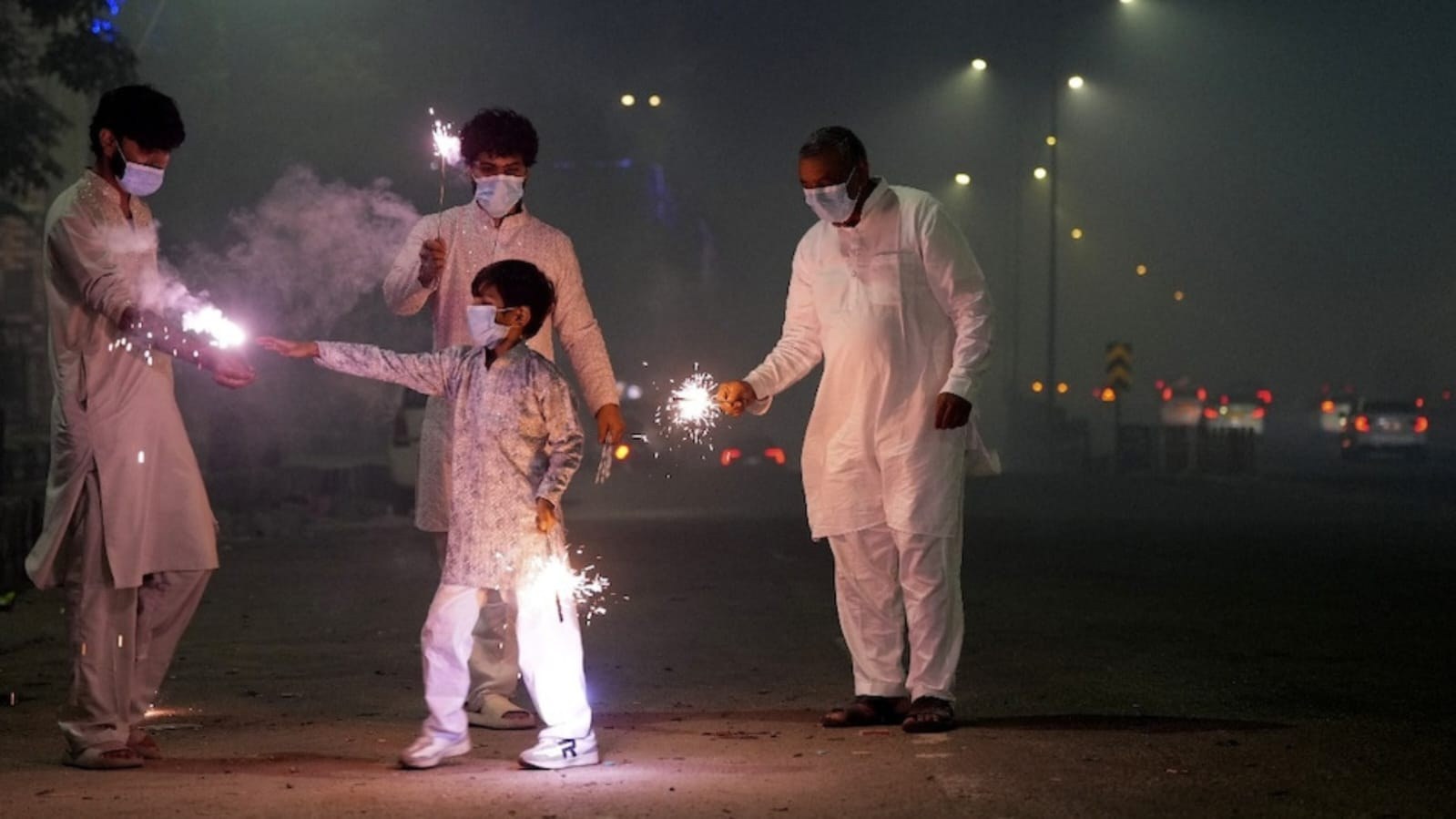
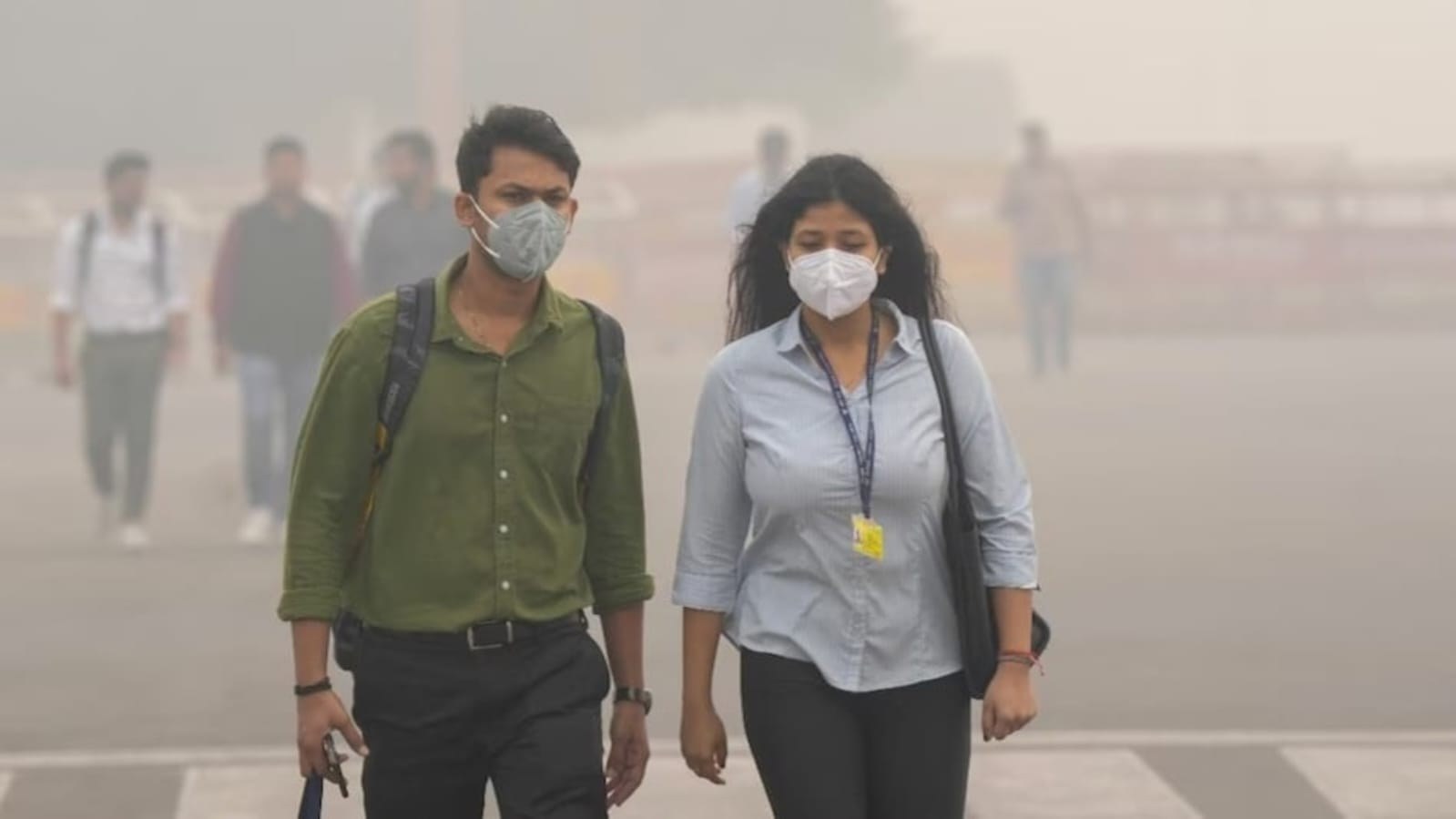
A few hours of exposure to firecracker smoke during Deepavali can trigger coughing, wheezing and breathlessness. The risk is particularly high for people with asthma and other existing respiratory conditions, although high levels of air pollution can affect anyone. Firecrackers release fine particulate matter and harmful gases into the atmosphere. These pollutants can irritate the airways and affect normal lung function. Smaller particles, particularly PM2.5, are a concern because they can travel deep into the respiratory system. Exposure to polluted air may worsen symptoms in people with asthma and other lung conditions. Even individuals without a diagnosed respiratory illness can experience airway irritation when pollution levels rise sharply. The Air Quality Index (AQI) provides an indication of how polluted the air is and the potential health risks. In India, the Central Pollution Control Board (CPCB) calculates the index using eight pollutants, including PM2.5, PM10, nitrogen dioxide, sulphur dioxide and carbon monoxide. The health impact of Deepavali pollution depends on factors such as pollution concentration, duration of exposure and an individual's existing health. Repeated exposure may raise concerns about lasting respiratory damage, although the extent and persistence of effects can vary. Reducing exposure to firecracker smoke and monitoring local air quality are important precautions, especially for children, older adults and people with respiratory illnesses. Editorial note: The supplied article text ends after the AQI explanation. This is a limited rewrite based only on the material provided; the source's detailed expert explanations and discussion of whether damage persists are not included.



0 comments
No comments yet. Yours would be the first.