
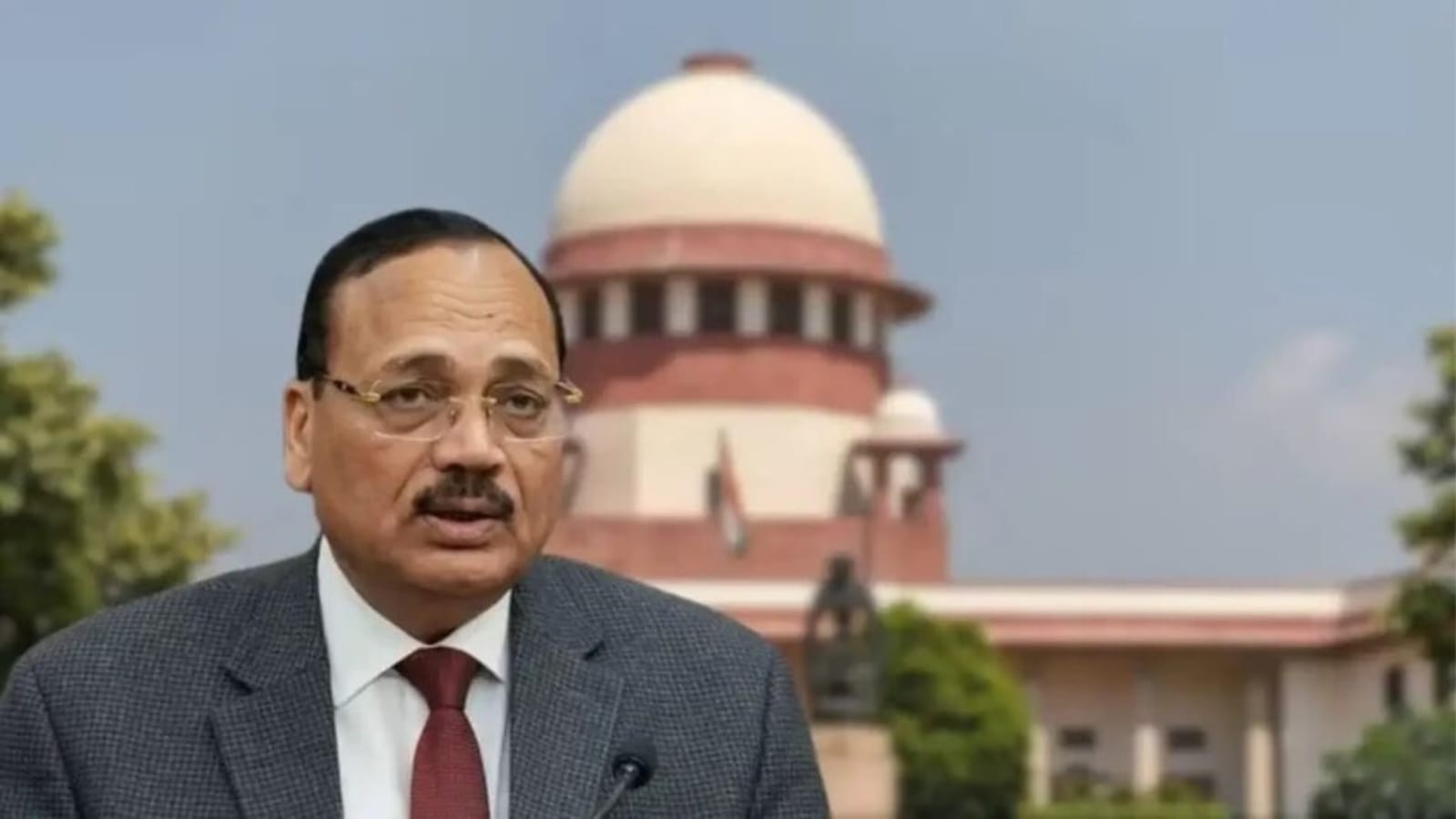
Chief Justice of India (CJI) Surya Kant has proposed making a minimum period of legal aid work compulsory for law students to graduate, emphasising the importance of practical legal education and access to justice for disadvantaged communities.

Speaking at the inaugural session of the Commonwealth Legal Education Association's First Annual International Conference on Legal Education, 2026, in Hyderabad, he suggested that law schools should play a more active role in providing legal assistance to people who struggle to access the justice system.
The CJI proposed awarding certificates to students undertaking legal aid work during semester breaks and granting additional academic credits to those who complete work beyond the prescribed minimum requirement.
He highlighted how people facing issues such as unpaid wages, interrupted pensions due to documentation errors and domestic violence may struggle to access legal remedies without guidance and assistance.
Referring to legal education pioneer Professor N.R. Madhava Menon, Surya Kant recalled his contribution to clinical legal education and efforts to involve law students in legal clinics serving disadvantaged communities.
He also noted that the Legal Services Authorities Act assigns the National Legal Services Authority (NALSA) responsibility for supervising legal services clinics in universities and law colleges, while the Bar Council of India requires law schools to maintain legal aid clinics.
However, he cautioned that the existence of a clinic does not necessarily guarantee meaningful assistance, stressing that its effectiveness should be measured by the actual support it provides to people seeking legal help.
The CJI also suggested that legal aid clinics could develop into centres for continuing legal education, bringing students, panel advocates and legal services officers together.







0 comments
No comments yet. Yours would be the first.