
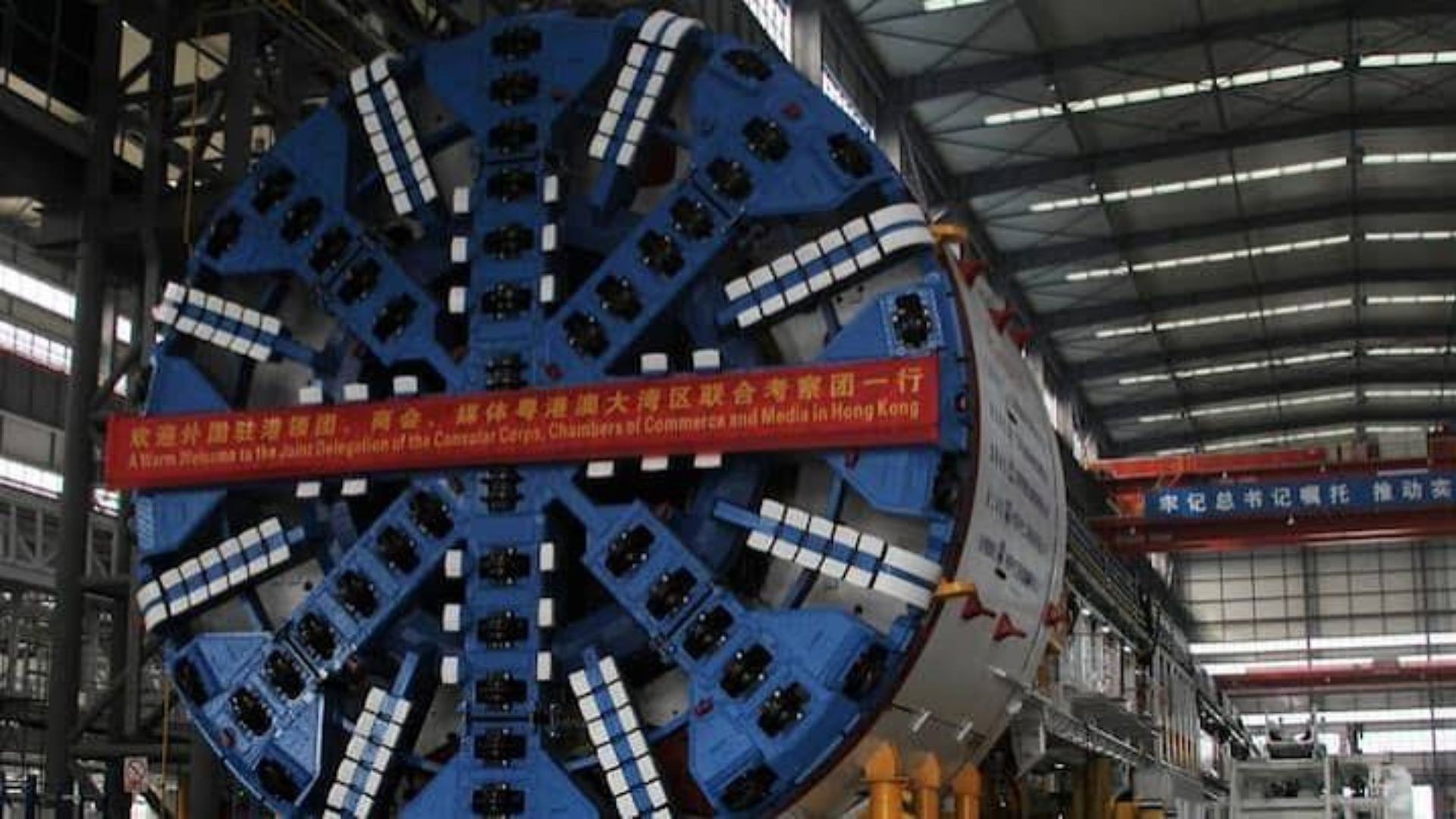
China’s new export controls on tunnel-boring machines (TBMs) could create challenges for India’s infrastructure ambitions, with policy expert Pranay Kotasthane warning that the restrictions may affect both equipment supplies and project timelines.

TBMs are specialised machines used to excavate tunnels for metro rail networks, road links, water projects and underground infrastructure. They are expensive and technically complex, with relatively few manufacturers capable of producing them at scale. This makes access to the equipment particularly important for countries undertaking large construction programmes.
According to Kotasthane, exports to countries considered to be in dispute with China may require a licence under the new rules. Since India could fall within this category, the policy may make shipments more uncertain. He also noted that the restrictions could extend beyond Chinese companies to German and Japanese manufacturers producing TBMs in China.
This means foreign companies with manufacturing facilities in China may need Beijing’s approval before sending certain machines to India. As a result, operating from China could become a commercial risk for businesses serving the Indian market.
Kotasthane also referred to an earlier case in 2024 when TBMs manufactured by German company Herrenknecht in China were reportedly held up at customs before being sent to India. He argued that the latest controls formalise concerns that had previously emerged through informal restrictions.
The expert further warned that a 3,000-metre threshold could affect Indian defence construction. The wider concern is whether dependence on specialised equipment sourced from China could leave major projects vulnerable to export decisions and geopolitical tensions.




0 comments
No comments yet. Yours would be the first.