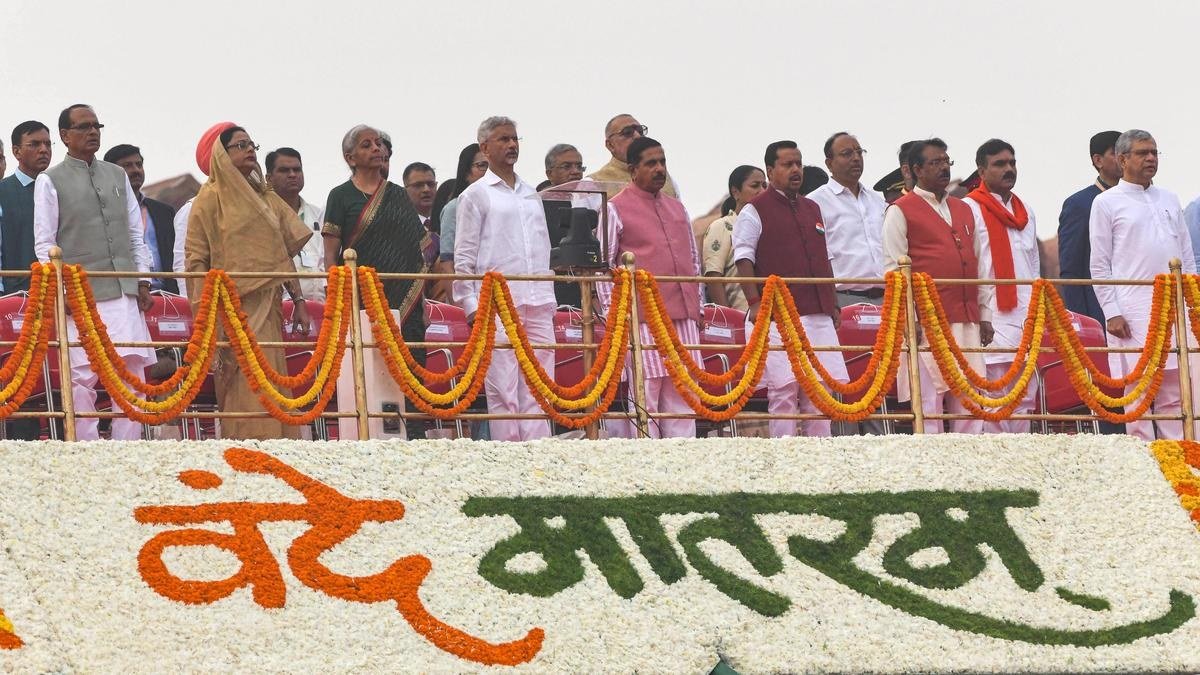
The Supreme Court of India has clarified that while a democratically elected government may decide the scope and length of the National Song, it cannot impose penal consequences on conscientious objectors who choose not to sing all or part of it.
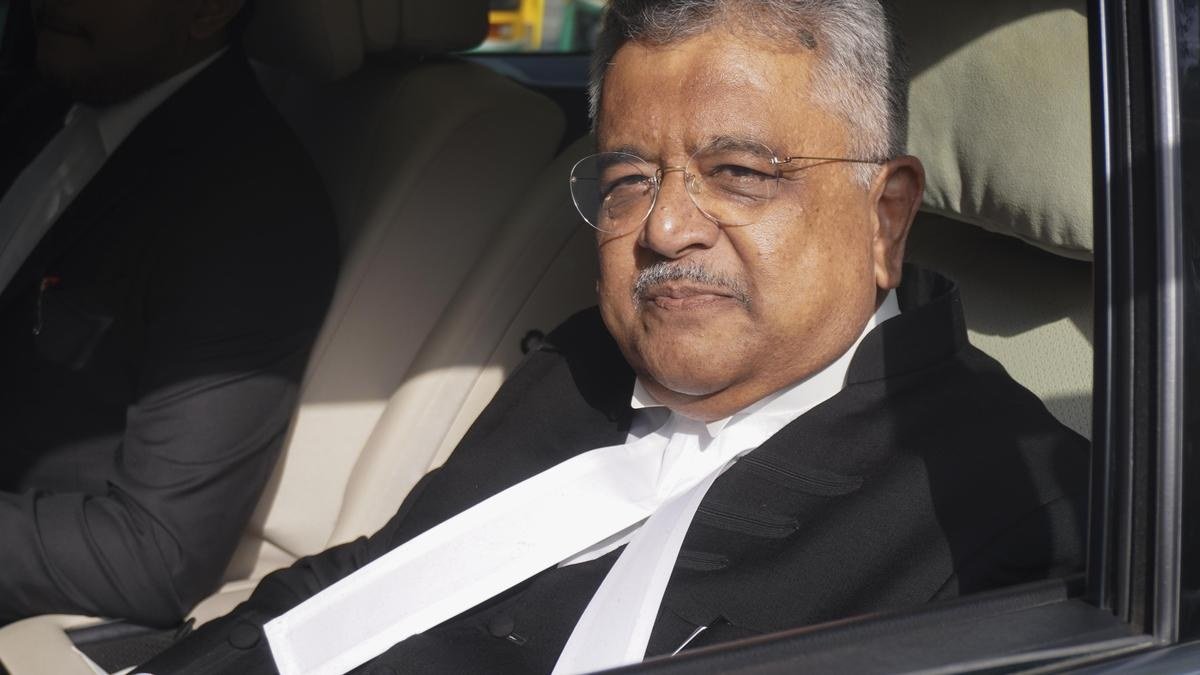
The observation came during a petition filed by renowned Carnatic vocalist and author T.M. Krishna, challenging the Prevention of Insults to National Honour (Amendment) Act, 2026. The Act regulates national protocol and prescribes a uniform code of conduct for public functions, but critics argue it compels assent to stanzas of Vande Mataram that are devotional and non‑secular.
Justice Joymalya Bagchi, part of a three‑judge Bench led by Chief Justice Surya Kant, stated:
“It is for the democratically elected state to decide what the National Song is… But nobody can infract Articles 25 and 26 [religious freedom] or subject a conscientious objector to penal consequences.”
The Court emphasised that individuals must retain the freedom to recite one or all stanzas of the National Song without fear of criminal prosecution, reinforcing the balance between national identity and constitutional rights.