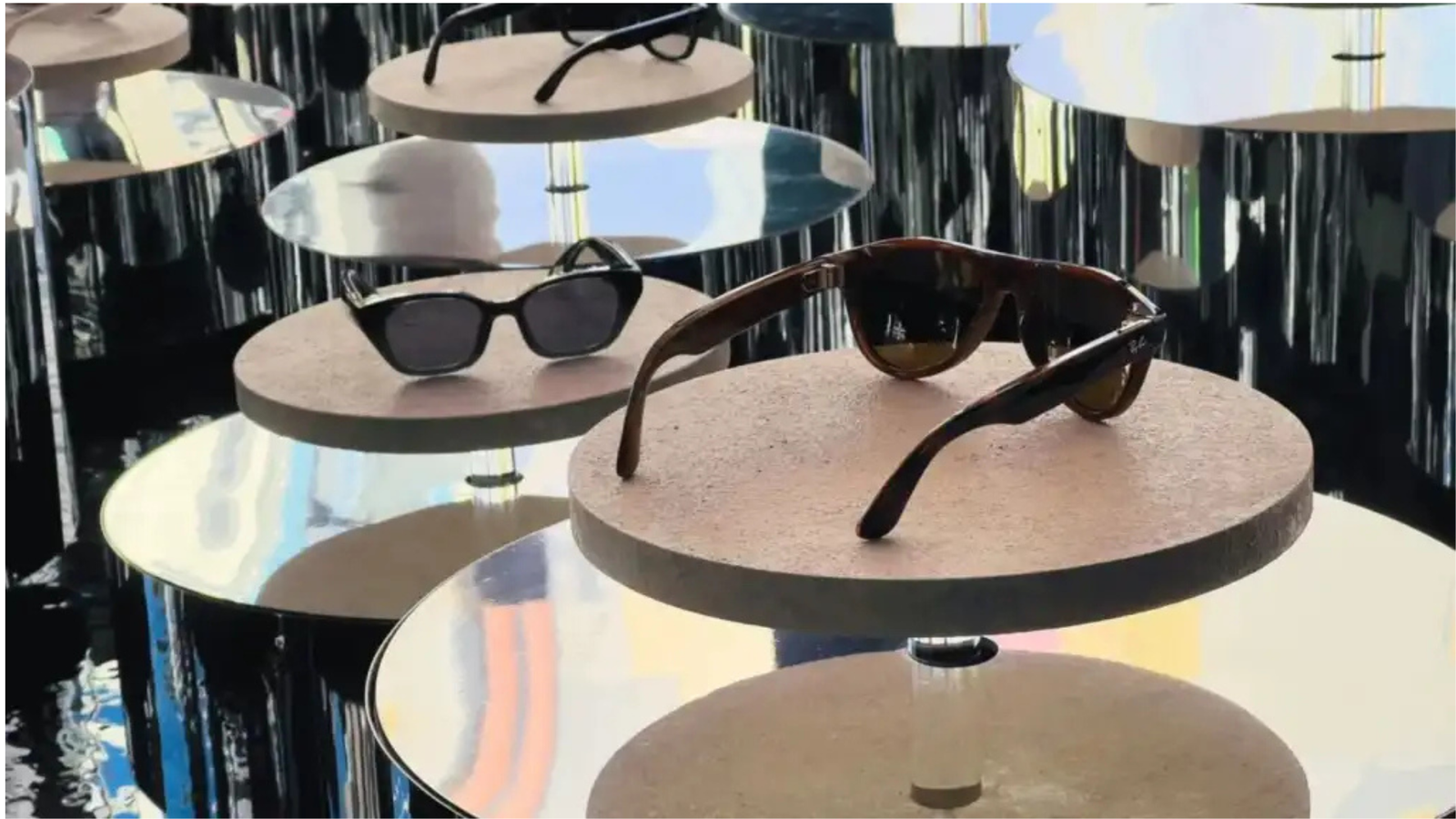
Smart glasses with built-in cameras are becoming increasingly common, offering users the ability to capture photos, video and audio from their point of view. As these devices become part of everyday life, however, questions around privacy and consent are also gaining attention.
Ziad Asghar, Senior Vice President and General Manager of XR, Wearables and Personal AI at Qualcomm Technologies, said cameras can provide significant benefits in smart glasses but acknowledged the need to address privacy concerns.
Speaking at the Snapdragon Summit in Maui, Hawaii, Asghar said manufacturers need to ensure that safeguards are in place as camera-equipped wearables become more widely used.
The growing popularity of smart glasses has raised concerns about people being recorded without their knowledge or consent. Unlike smartphones, glasses can capture what is happening around the wearer while appearing less noticeable, creating new challenges for privacy.
The issue also extends to existing privacy laws and whether current regulations are equipped to handle wearable devices capable of recording their surroundings. Clear indicators, user controls and stronger privacy protections could become increasingly important as the technology develops.
Qualcomm is working on technologies that bring artificial intelligence and cameras to wearable devices. While these features can enable new experiences, their wider adoption is likely to depend not only on technical capabilities but also on how effectively privacy and consent concerns are addressed.
Technology
Qualcomm Urges Stronger Privacy for AI Smart Glasses
Qualcomm executive Ziad Asghar says camera-equipped AI glasses offer major benefits but need stronger privacy safeguards as adoption grows.