Bone loss often develops without noticeable symptoms, making it difficult to recognize until a fracture occurs. Women face a particularly high risk of osteopenia and osteoporosis, with bone density loss becoming more significant around menopause.
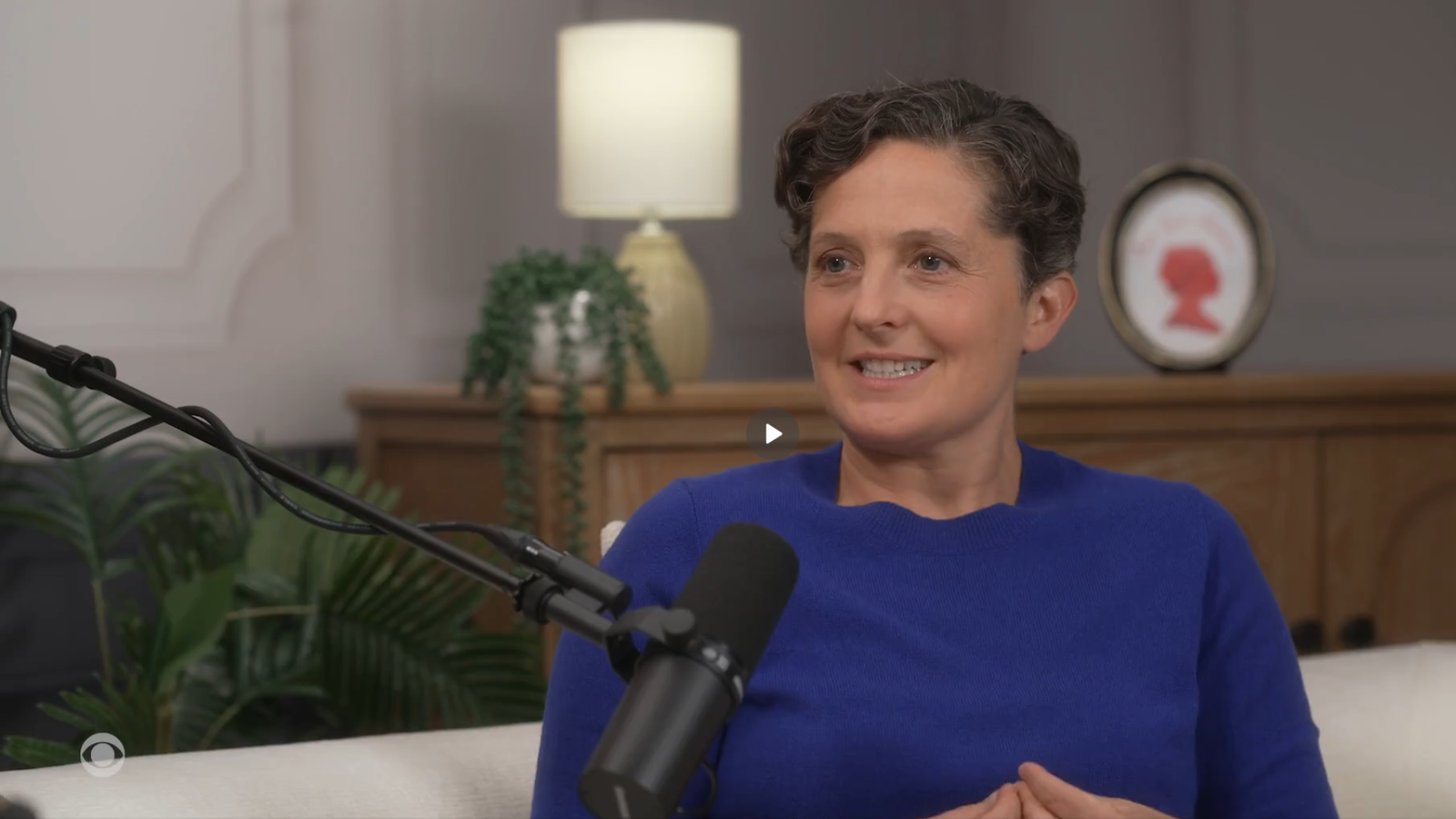
Orthopedic surgeon Dr. Jocelyn Wittstein says women should start thinking about bone health before fractures or advanced bone loss occur. Bone density typically reaches its peak by the 30s, followed by a gradual decline that can accelerate during the years surrounding menopause.
A DEXA scan is one of the primary tests used to measure bone mineral density. It provides a T-score that can help identify normal bone density, osteopenia or osteoporosis. Women should discuss the appropriate timing of screening with their healthcare provider, particularly during the menopause transition or if they have other risk factors.
Exercise is another important part of protecting bone health. Strength training and weight-bearing or impact activities can stimulate the body to maintain stronger bones while also improving balance and reducing fall risk. Activities should be adjusted according to fitness level and increased gradually.
Nutrition also plays a role. Calcium and vitamin D are important for maintaining bone health, while magnesium, vitamin K and a diet rich in fruits and vegetables can support overall nutritional needs. Supplement requirements vary, so women should discuss deficiencies and appropriate doses with a doctor.
Hormone therapy may also help reduce bone loss in some menopausal women, although it is not suitable for everyone. Because its benefits and risks vary by individual, any decision about hormone therapy should be made with a healthcare professional.
Health
Bone Health: 4 Things Women Should Know About Bone Density
Bone loss can accelerate around menopause. Learn four important ways women can protect bone health through screening, exercise, diet and care.