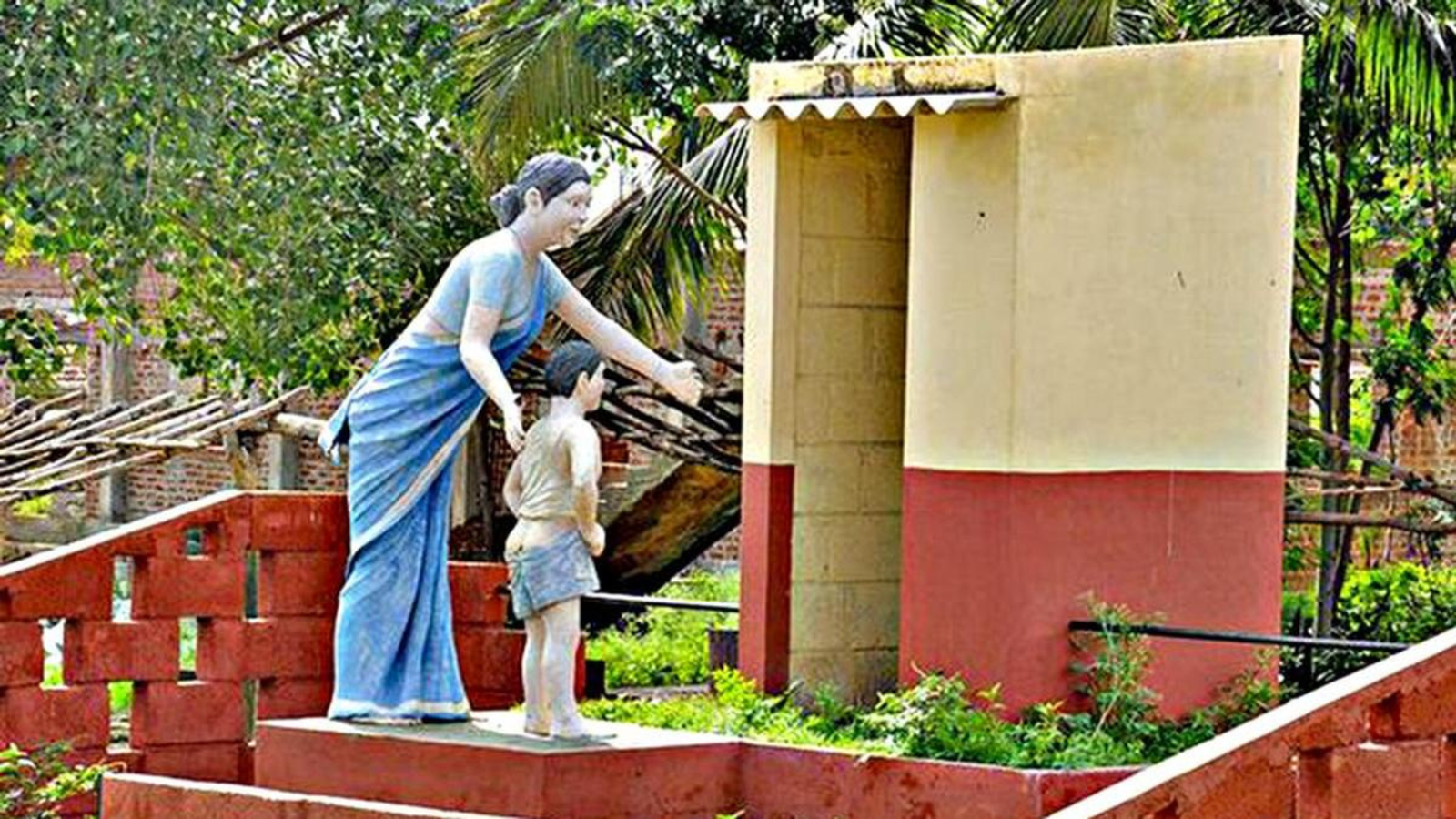
Around five crore children in India lacked access to sanitation services at their schools in 2025, according to a new United Nations-backed global report on drinking water, sanitation and hygiene in schools.
The report, titled “Progress on Drinking Water, Sanitation and Hygiene in Schools 2015-2025”, found that India accounted for about 50 million of the 244 million children worldwide who had no access to a sanitation service at school.
India recorded the highest number among the countries covered by the report. Nigeria followed with 34 million children, while Ethiopia had 26 million, the Democratic Republic of the Congo 11 million and Indonesia 8 million.
The findings highlight the remaining challenges in improving water, sanitation and hygiene facilities in schools as countries work toward the Sustainable Development Goals for 2030.
At the same time, India is among 28 of 62 countries considered on track to achieve universal coverage of basic drinking water services in schools by 2030. This indicates progress in one area of school infrastructure while significant gaps remain in sanitation access.
Adequate sanitation and hygiene facilities are an important part of a safe school environment and can affect students’ ability to attend and participate comfortably in school.
The report tracks progress between 2015 and 2025 and provides a global assessment of access to drinking water, sanitation and hygiene services in educational institutions. For India, the figures underline the contrast between progress toward universal drinking-water access and the large number of children who still lack adequate sanitation services at school.
Health
5 Crore Indian Children Lack School Sanitation Access
A UN report says 5 crore Indian children lacked access to basic sanitation services at school in 2025, highlighting gaps in water and hygiene facilities.