Artificial intelligence is increasingly being used in cancer research and treatment, from detecting disease earlier to supporting drug development and creating more personalized treatment plans. But despite bold predictions from some technology leaders, experts caution that AI is not close to delivering a single cure for cancer.
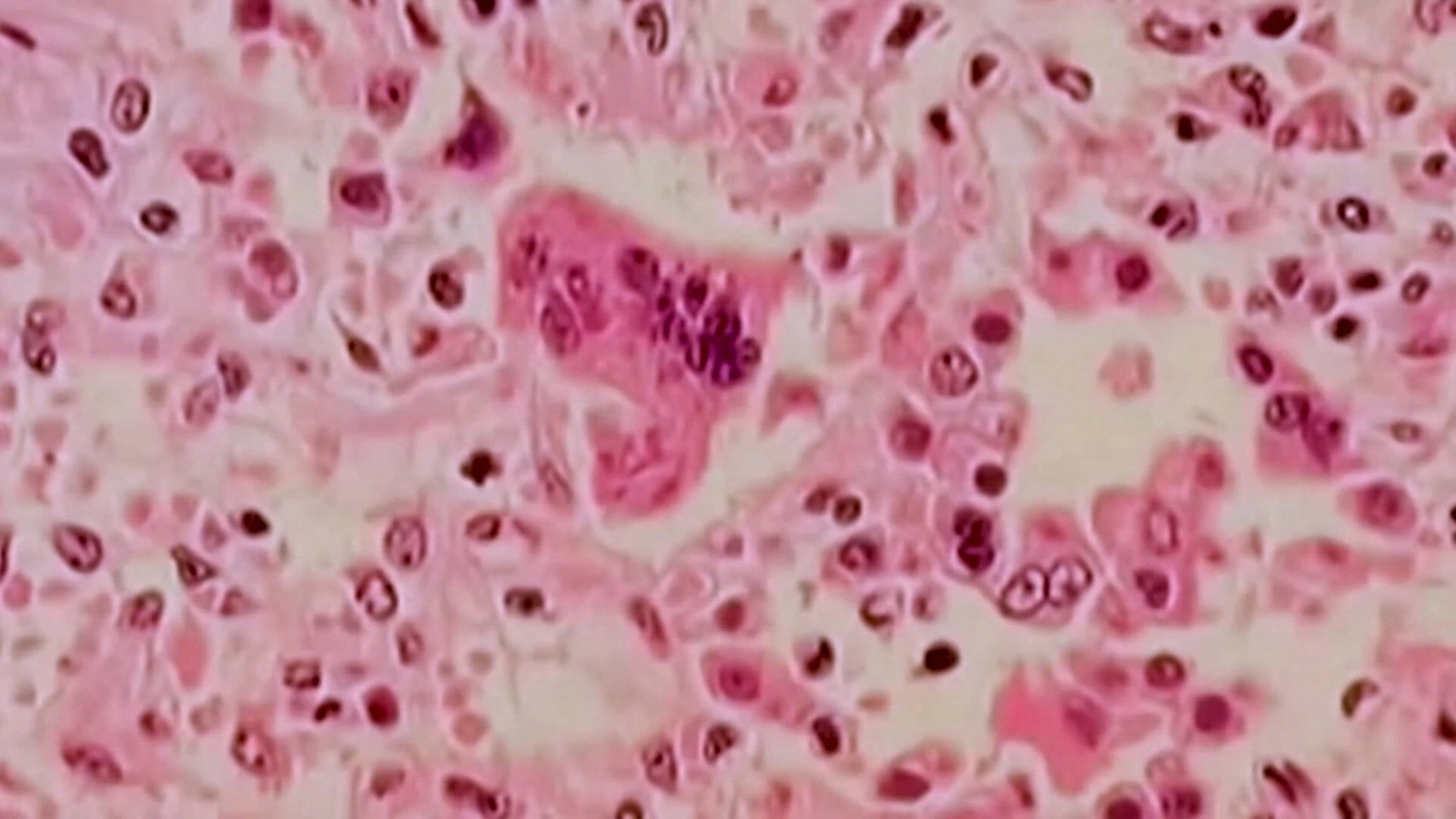
One major reason is that cancer is not one disease. The term covers many different cancers involving different cells, genetic changes and biological processes. Breast, lung, brain and pancreatic cancers, for example, can behave very differently and require different treatment approaches.
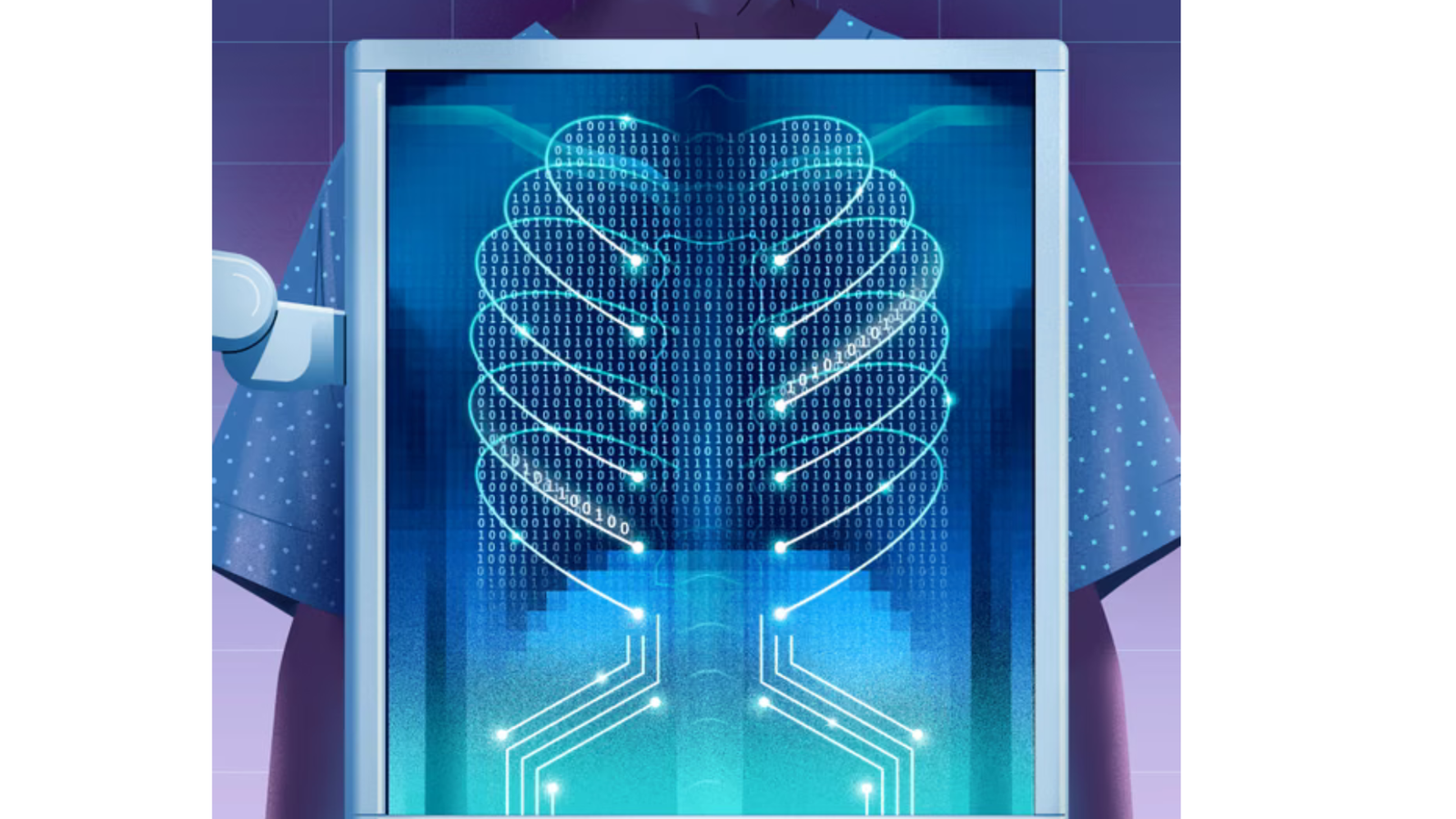
AI is already showing practical benefits. Researchers and medical teams are using it to analyze medical images, identify potential signs of cancer, assist with treatment decisions and support drug discovery. In some clinical settings, AI tools are also being explored or used to assist doctors during procedures.
However, turning an AI-generated insight into an effective cancer treatment requires extensive laboratory research, clinical trials and regulatory review. Medical researchers also emphasize that AI still has limitations when it comes to independently designing and conducting large-scale experiments.
The technology could nevertheless change how cancer is detected and treated. Faster analysis of medical data may help doctors identify disease earlier, understand individual tumors more precisely and match patients with treatments more effectively.
For now, the evidence points toward AI becoming an increasingly important tool in cancer care rather than producing one universal cure. Progress is being made, but translating technological advances into safer and more effective treatments remains a complex scientific process.
Health
Can AI Really Cure Cancer? What Science Says Today
AI is transforming cancer detection, drug development and treatment, but experts say a single cure for cancer remains unlikely and far from reality.