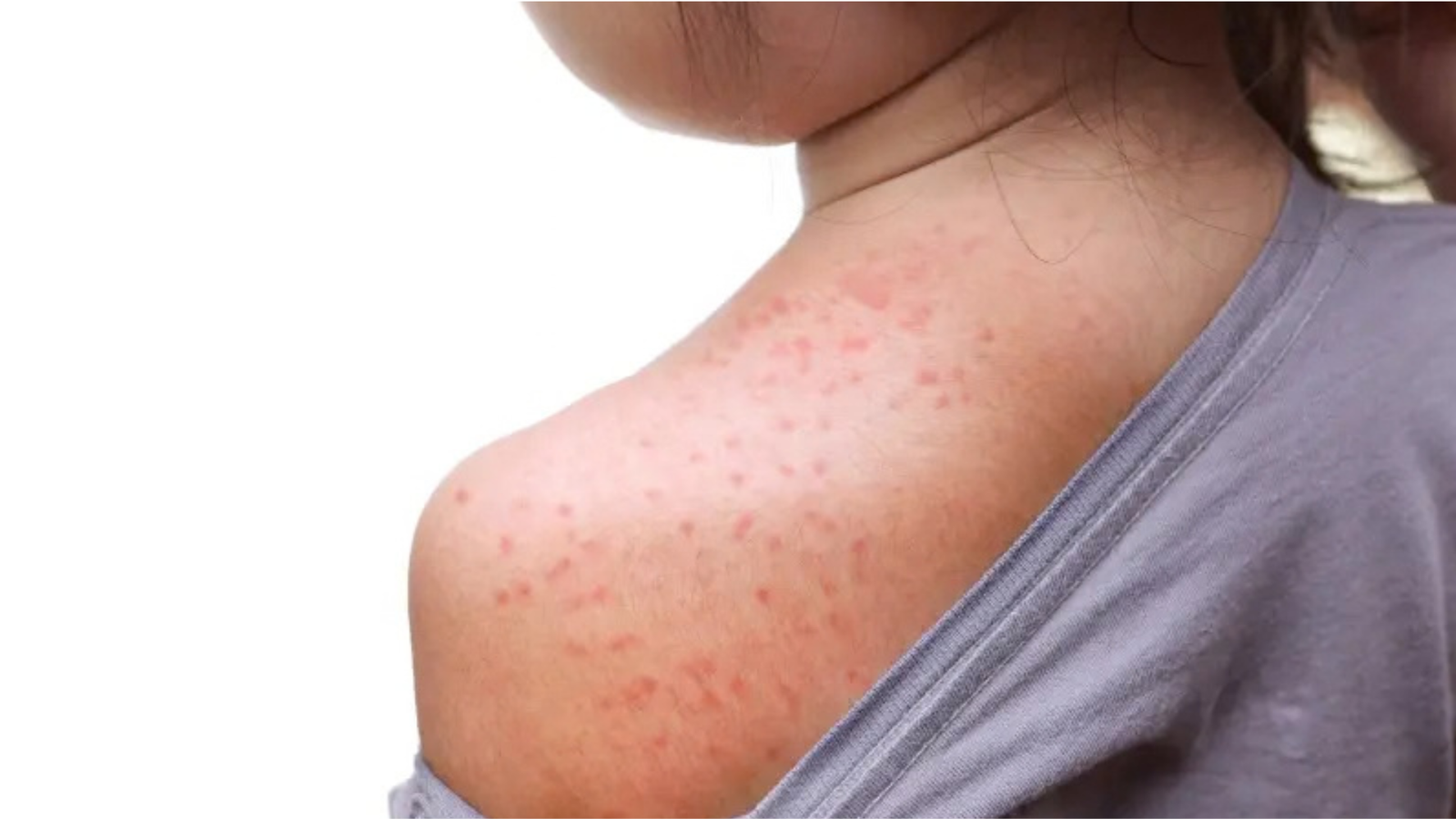
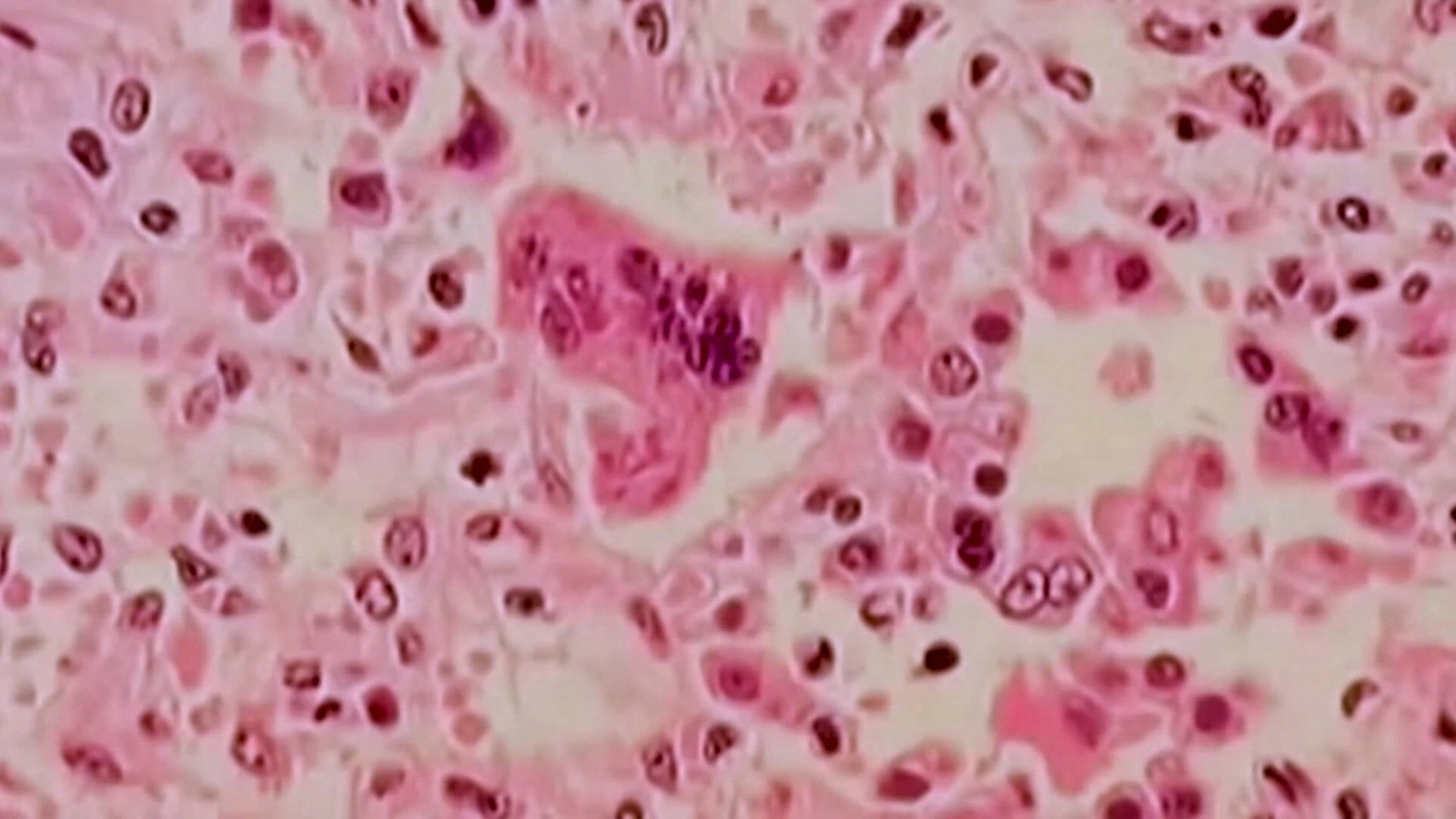
Pennsylvania’s measles outbreak has continued to expand, with health officials reporting 835 confirmed cases across 39 counties as of Sept. 23. The outbreak has also resulted in 164 hospitalizations and four confirmed measles-associated deaths, according to the Pennsylvania Department of Health.
Doctors are also encountering unusual cases as measles spreads among people who may not have the same immunity that earlier generations developed through widespread childhood infection or vaccination.
One particularly concerning development involves congenital measles, in which an infected mother can transmit the virus to her baby during pregnancy or around the time of delivery. Such cases have historically been uncommon in the United States.
Infectious disease specialist Dr. John Goldman of the University of Pittsburgh Medical Center told reporters that physicians are seeing cases they rarely encountered previously and are having to learn more about their management as the outbreak develops.
The Pennsylvania Department of Health said measles remains highly contagious and can cause serious complications, including pneumonia and brain swelling. Symptoms can appear between seven and 21 days after exposure and commonly include fever, cough, runny nose, red or watery eyes and a rash.
State health officials continue to recommend full vaccination as the best protection against measles. Two doses of the measles, mumps and rubella vaccine provide about 97% protection against measles.
With cases continuing to rise, health authorities are urging residents to remain aware of exposure notices, vaccination status and possible symptoms while the outbreak response continues.
Health
Pennsylvania Measles Outbreak Raises Concern Over Rare Cases
Pennsylvania’s measles outbreak has reached 835 cases, with doctors reporting rare infections and growing concerns as the virus spreads.