The Pentagon has announced the reinstatement of its mandatory testosterone deficiency testing program for U.S. service members aged 30 and above, sparking renewed debate over its necessity.
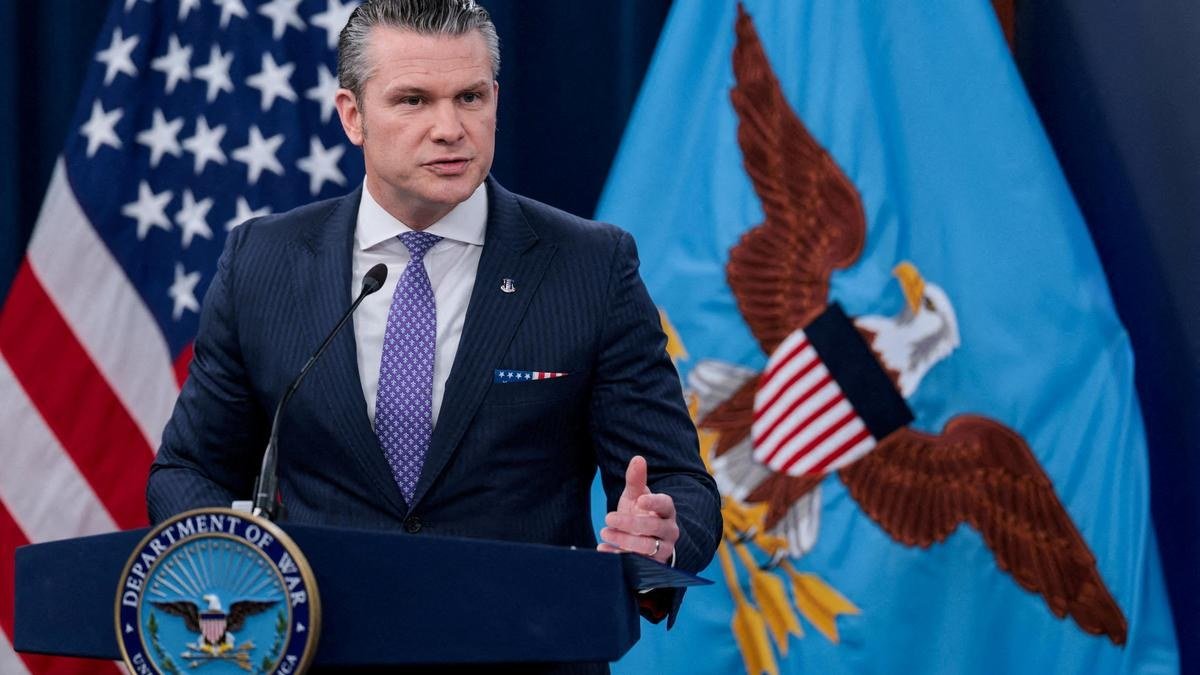
A Pentagon spokesperson confirmed the decision on Thursday, noting that the program had been paused earlier but will now proceed under the directive of U.S. Defence Secretary Pete Hegseth. Hegseth first introduced the screening mandate in July, promoting testosterone use as a way to boost military readiness.
The move has drawn criticism from several medical experts, who argue that widespread testing and potential treatment could be unnecessary and harmful. Concerns include the risks of over‑diagnosis, side effects from hormone therapy, and the lack of clear evidence linking testosterone supplementation to improved combat performance.
Despite the controversy, the Pentagon maintains that the program is part of broader efforts to enhance physical preparedness and ensure service members remain fit for duty. The decision reflects Hegseth’s emphasis on unconventional measures to strengthen the armed forces, even as health professionals call for caution.
The reinstatement of the program is expected to reignite discussions about the balance between military readiness and medical ethics, with critics urging evidence‑based approaches to soldier health.