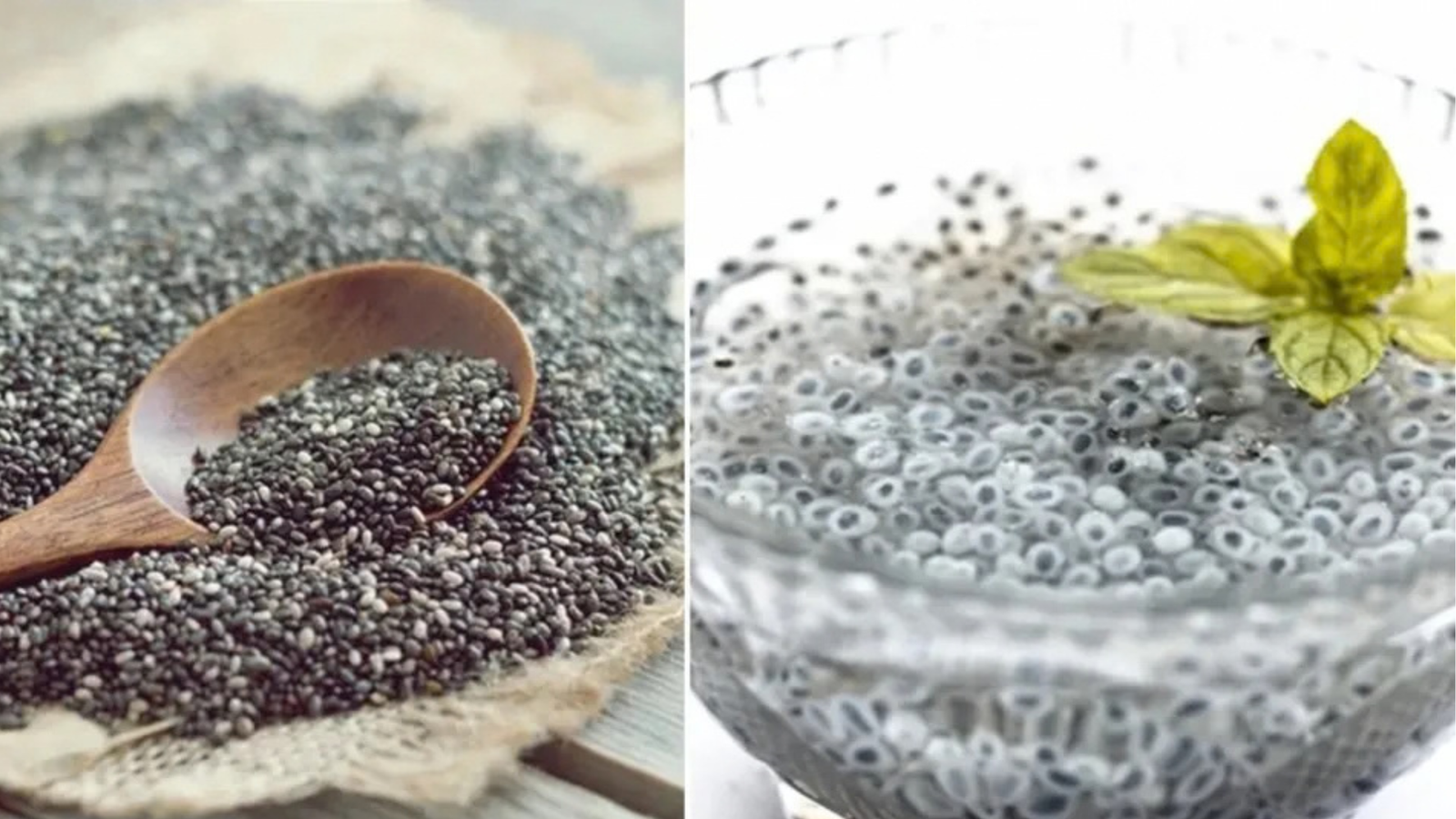
Chia seeds and sabja seeds, also known as basil seeds, are both nutrient-dense foods that can add fibre and other nutrients to the diet. While social media often promotes consuming the two together for “optimum nutrition”, experts say there is no need to treat the combination as a special health formula.
According to dietitians, having chia and sabja seeds together in moderation can be suitable for many people, provided they do not have allergies or digestive sensitivities.
Chia seeds contain omega-3 fatty acids, soluble fibre and plant-based protein. Their high fibre content can contribute to satiety and support digestive health. The source also notes their potential role in supporting heart health and blood sugar regulation.
Because chia absorbs liquid and develops a gel-like consistency, it is generally consumed after soaking rather than eaten dry in large quantities.
Sabja seeds are traditionally used in Ayurvedic and Unani practices. When soaked, they develop a mucilaginous coating, giving them their characteristic gel-like texture.
Dietitian Dr Birali Swetha said soaked sabja seeds are traditionally associated with supporting digestion and soothing the digestive tract. They are also commonly consumed in drinks and other preparations.
They can be included together in a diet in moderate amounts. However, there is currently no reason to assume that combining them automatically provides greater benefits than consuming either seed individually.
Since both contain significant amounts of fibre, suddenly consuming large quantities may cause digestive discomfort in some people. Starting with small portions and adequate fluid intake can help.
Lifestyle
Chia and Sabja Seeds: Benefits of Eating Them Together
Chia and sabja seeds are rich in fibre, healthy fats and minerals. Here’s what eating them together every morning may do for digestion and health.