A decade after the Indian Army’s surgical strikes across the Line of Control (LoC), India’s counter‑terrorism strategy has evolved with sharper surveillance, stronger retaliatory capabilities, and heightened focus on Jammu and Kashmir.

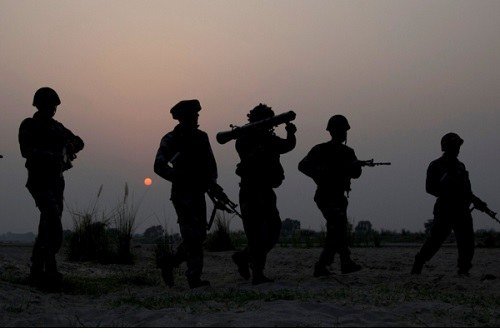
On the night of September 28–29, 2016, Army Para (Special Forces) units crossed the LoC under artillery cover, targeting seven terrorist launchpads north and south of the Pir Panjal range. The operation was a direct response to the Uri terror attack that killed 19 soldiers. Armed with rocket launchers, flamethrowers, and grenades, the troops eliminated an estimated 35–50 terrorists, marking India’s first officially acknowledged cross‑border surgical strike.
Since then, India’s security landscape has shifted. Counter‑terror operations now rely heavily on advanced surveillance systems, drones, and satellite monitoring, ensuring more “eyes on the ground and sky.” The focus has increasingly turned to Jammu, where infiltration attempts and terror activities remain a pressing challenge.
Officials highlight that the strikes not only reshaped India’s military doctrine but also signaled a new era of proactive defence, reinforcing deterrence against cross‑border terrorism. Ten years on, the surgical strikes remain a defining moment in India’s counter‑terrorism narrative, shaping both policy and preparedness.