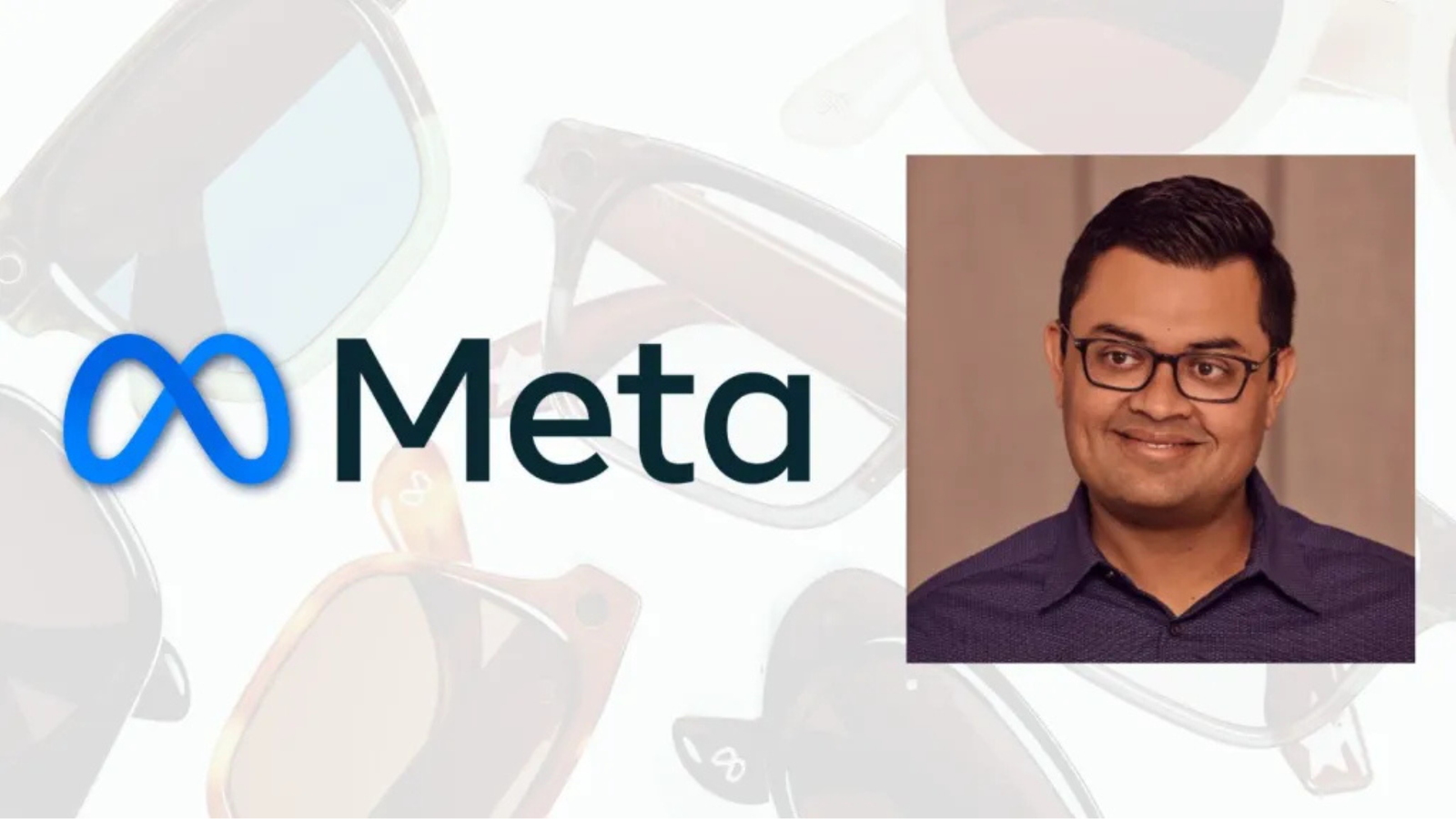
Meta is developing its next generation of AI assistants with a focus on personalisation, multimodal reasoning and the ability to take actions on behalf of users. Vishal Shah, Meta’s vice president of AI Products, said user control will remain an important part of the company’s approach as AI assistants become more capable.
Speaking about Meta’s Muse assistant, Shah highlighted the challenge of determining how much autonomy an AI system should have while ensuring users remain in control of its actions. The idea reflects a broader shift in AI assistants, from systems that primarily respond to questions towards tools that can understand users, their goals and potentially act on their behalf.
Shah discussed Muse and its underlying multimodal reasoning model, Muse Spark 1.3, during Meta Connect 2026. The company has been showcasing its wider AI strategy alongside new AI-powered smart glasses and VR products.
Meta’s vision for personal AI involves assistants that can better understand individual users and provide more personalised experiences. As these systems become capable of handling more tasks, questions around autonomy and user oversight are becoming increasingly important.
The company’s approach comes as major technology firms continue developing AI assistants that go beyond simple conversational interactions. For Meta, Muse is part of its effort to build AI systems that can combine reasoning and multimodal capabilities while remaining useful in everyday situations.
Shah’s comments underline the balance Meta is seeking between greater AI autonomy and keeping users involved in important decisions and actions.