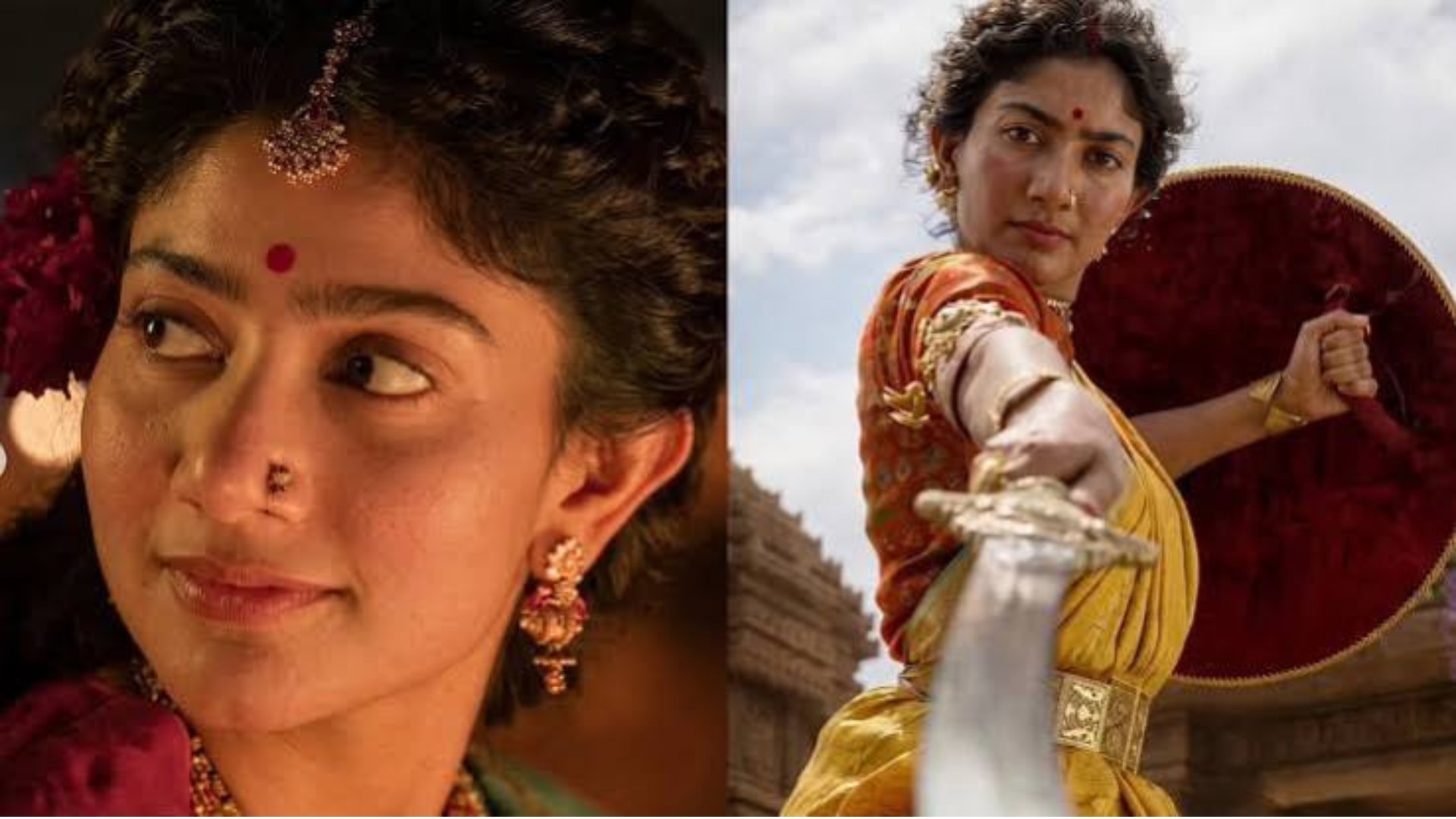
Author Amish Tripathi has weighed in on the debate surrounding the portrayal of Sita as a warrior in Nitesh Tiwari's film adaptation of the Ramayana. In an interview with SCREEN, he argued that depictions of Sita as a warrior are not entirely new, pointing to an account in the Adbhuta Ramayana.
The discussion follows criticism from some sections of the public, including actor Mukesh Khanna, over the film's portrayal of Sita wielding a sword and fighting asuras. Critics have questioned whether such a depiction is consistent with traditional accounts of the epic.
Tripathi, known for his 2017 bestselling novel Sita: Warrior of Mithila, said that many people are unfamiliar with the different versions of the Ramayana because these texts and their variations are not adequately covered in the education system.
What does the Adbhuta Ramayana say about Sita?
During the interview, Tripathi referred to the Adbhuta Ramayana, which he described as an ancient text traditionally attributed to Valmiki. He said that, in this version, Sita defeats a more powerful and elder form of Ravana.
His remarks challenge the assumption that Sita has been portrayed only as a passive or dependent character across all Ramayana traditions. The account he cited presents her with extraordinary power and a warrior-like role.
It is important to note that the Ramayana exists in multiple textual and regional traditions, with variations in their narratives, characters and interpretations. The Adbhuta Ramayana is one such text, and its account should not be treated as identical to the narrative of the commonly read Valmiki Ramayana.
Amish Tripathi's take on Sita
Tripathi's novel Sita: Warrior of Mithila, published in 2017, also explores Sita through the lens of strength, leadership and martial ability. His latest comments have brought renewed attention to the diversity of interpretations surrounding one of India's most widely known epics.
The discussion highlights how adaptations of mythological stories can draw from different textual traditions, while also prompting debate about artistic interpretation and cultural representation.




0 comments
No comments yet. Yours would be the first.