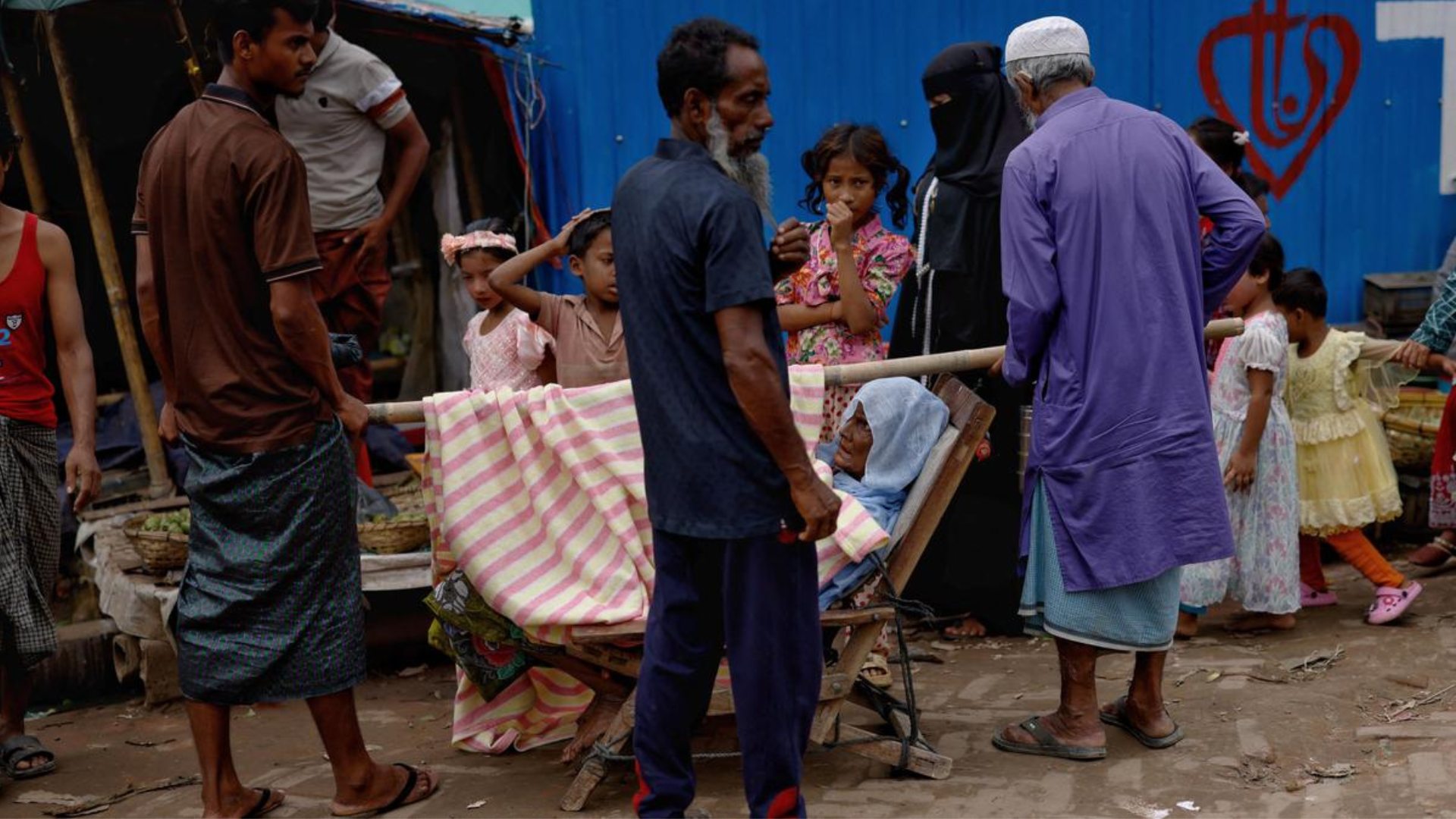
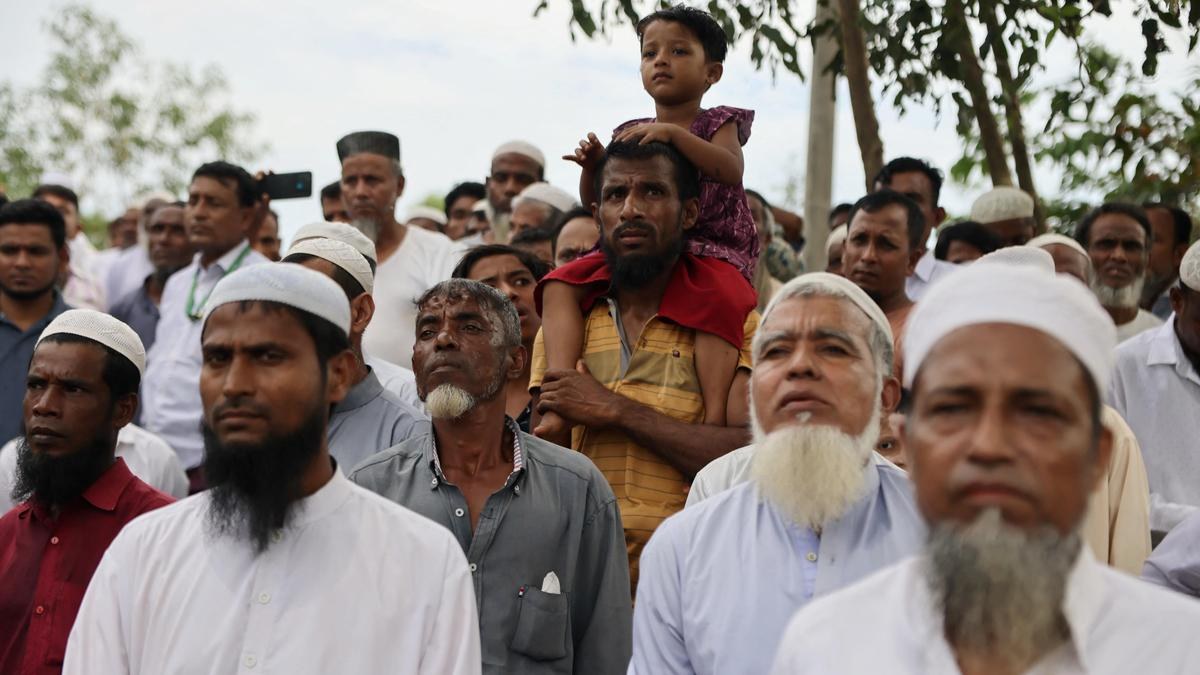
A new study examining refugee communities in India has highlighted the need for trauma-informed and community-based mental health services to address the psychological challenges faced by displaced populations. Published in the International Journal of Migration, Health and Social Care, the research focuses on Sri Lankan Tamil and Rohingya refugee communities. It finds that mental health difficulties are influenced not only by past experiences of violence, trauma and forced displacement but also by the conditions refugees encounter in their host communities. The study identifies prolonged legal uncertainty, restrictions on employment, inadequate living conditions, social stigma and barriers to healthcare as important factors that can intensify psychological distress. Researchers emphasise that mental health support should be designed around the lived experiences and specific needs of refugee communities rather than relying entirely on conventional healthcare models. The study calls for locally accessible services in which trained community workers and refugee leaders play an active role in planning and delivering mental health support. Such an approach could help build trust, reduce stigma and make it easier for individuals to seek assistance. It also recognises the importance of addressing wider social and economic conditions that influence psychological well-being. The findings highlight that refugee mental health requires a broader response involving healthcare providers, community organisations and policymakers. By combining trauma-informed care with community participation, mental health programmes can become more responsive to the challenges faced by displaced people. The study underlines the importance of treating mental health as part of a wider effort to improve safety, dignity, inclusion and access to essential services.





0 comments
No comments yet. Yours would be the first.