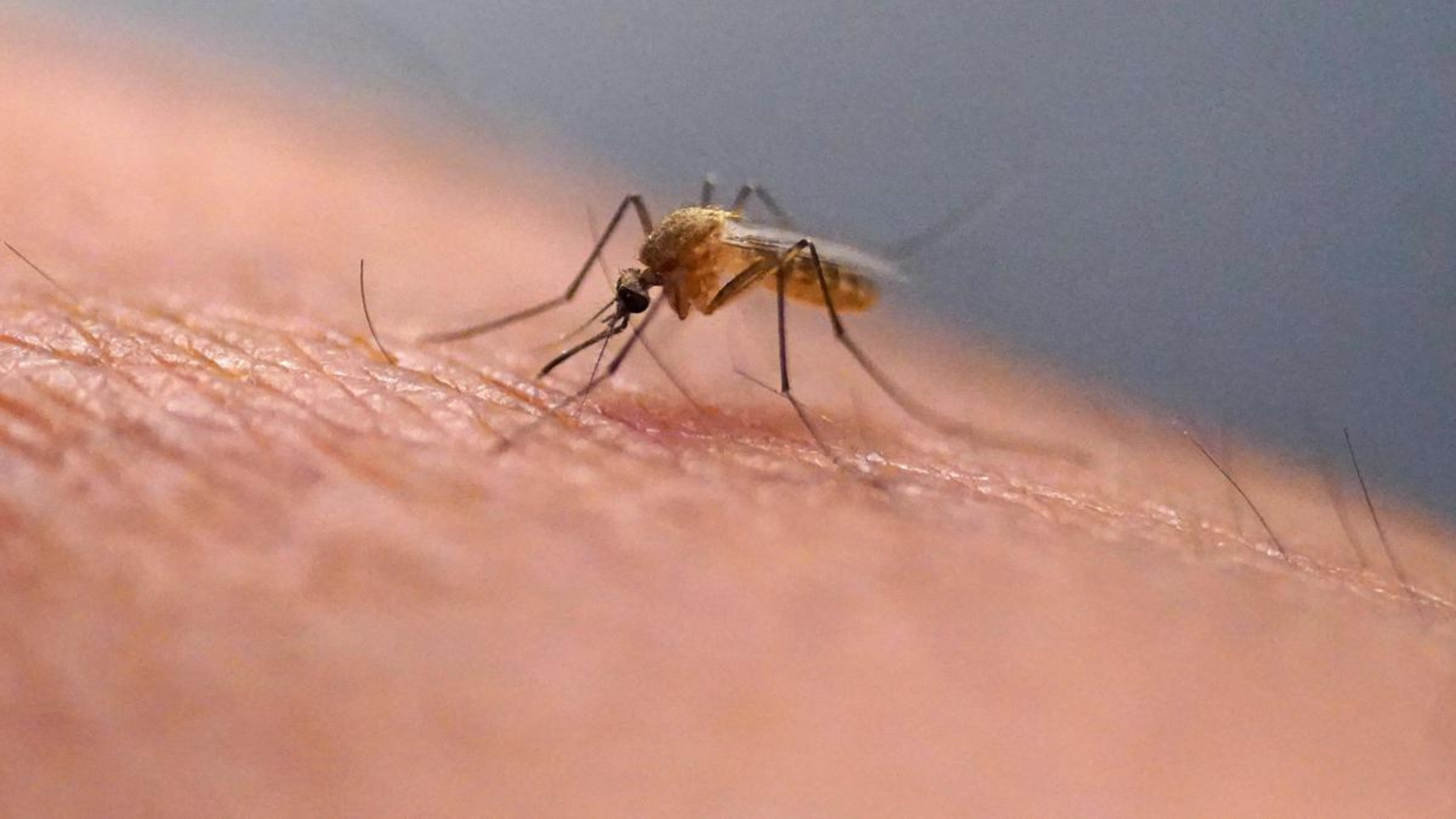
Scientists have reported promising new evidence that specially bred mosquitoes carrying Wolbachia bacteria can significantly reduce the spread of dengue and chikungunya infections. A major study involving more than 5,700 children in Brazil found that neighbourhoods with Wolbachia-carrying mosquitoes recorded approximately 69% fewer dengue and chikungunya infections among schoolchildren compared with similar areas without the intervention. The findings were reported on Saturday by an international research team. Dr. Sri Edupuganti of Emory University, who was part of the team, said the protective effect continued even during Brazil's severe dengue outbreak in 2024. Wolbachia is a naturally occurring bacterium that can be introduced into Aedes aegypti mosquitoes, which transmit dengue and several other viruses. Mosquitoes carrying the bacterium are less capable of transmitting these infections to humans. The approach offers a potential alternative to conventional mosquito-control methods, which largely depend on insecticides, eliminating breeding sites and preventing mosquito bites. The findings are particularly significant as dengue continues to pose a major public health challenge in tropical and subtropical regions. The research also comes amid an unusually large dengue outbreak in Florida, described in the supplied report as potentially the biggest recorded in any US state since at least the 1940s. The study adds to growing scientific interest in Wolbachia-based mosquito programmes as a public health intervention. However, the findings do not mean that conventional mosquito-control measures are no longer necessary. Researchers say the approach could become an important part of broader strategies to reduce mosquito-borne diseases and protect vulnerable communities.







0 comments
No comments yet. Yours would be the first.