
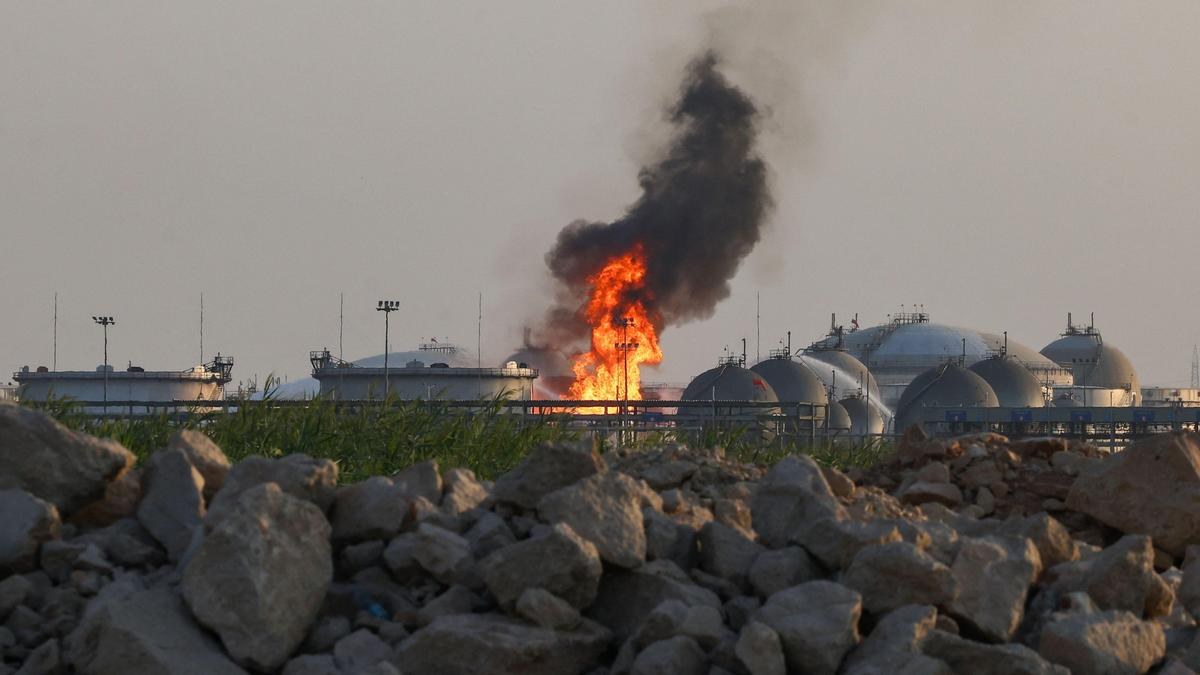
Saudi Arabia is facing mounting geopolitical and economic challenges as tensions around the Strait of Hormuz and Bab al-Mandeb Strait threaten its security, oil exports and regional influence. The simultaneous pressure on these strategic waterways presents a significant challenge for Riyadh and could have wider consequences for global energy markets and international trade.

In an analysis published on October 22, 2026, Mahesh Sachdev examines how the developing crisis could become a major test for Saudi Crown Prince and Prime Minister Mohammed bin Salman.
Saudi Arabia remains a major economic and military power in West Asia. However, domestic economic pressures and changing regional alliances are adding complexity to its security challenges. Disruptions at two critical maritime chokepoints could further affect the Kingdom's economic outlook.
The Strait of Hormuz is one of the world's most important routes for oil transportation, while Bab al-Mandeb connects the Red Sea with the Gulf of Aden and the Indian Ocean. Instability around either passage can disrupt shipping, increase transportation costs and create uncertainty in global energy markets.
The analysis also traces the historical roots of tensions between Saudi Arabia and Yemen. In 1934, forces led by Saudi founder King Abdulaziz defeated Yemeni fighters, leading to territorial concessions under the Treaty of Taif. Although a bilateral border was demarcated in 2000, some Yemeni nationalists have continued to question the settlement.
More recently, attacks by Yemen's Houthi movement on strategic Saudi targets have raised concerns about the Kingdom's security and its reputation as a stable destination for business and investment.
Despite these pressures, the analysis cautions against exaggerating the threat to Saudi Arabia's survival. Nevertheless, the situation could influence regional diplomacy, oil supplies and global trade.
The coming months will test Riyadh's ability to protect vital shipping routes, manage regional relationships and maintain economic confidence amid an increasingly uncertain geopolitical environment.

0 comments
No comments yet. Yours would be the first.