
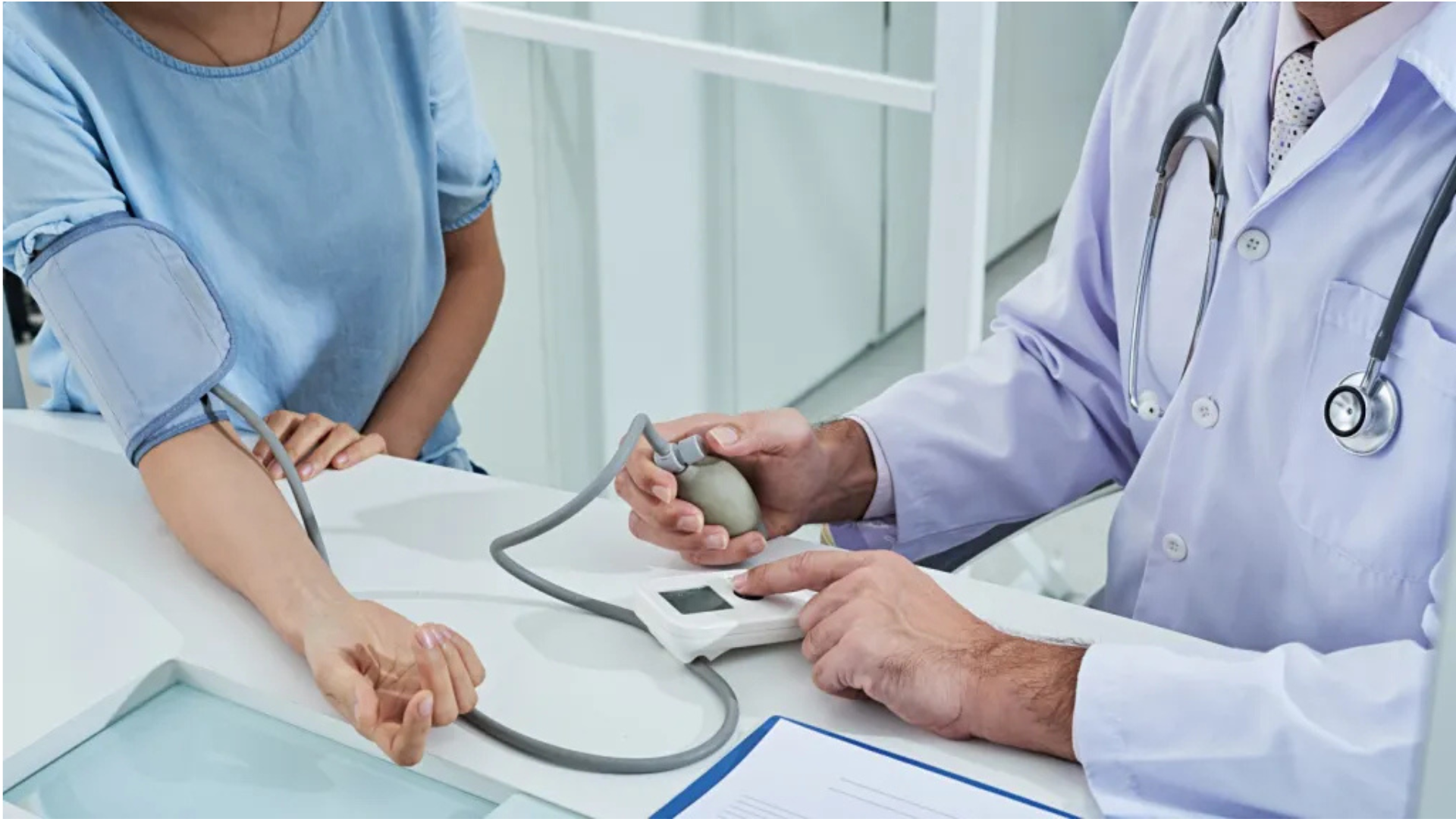
A blood pressure reading of 140/90 mmHg at age 60 should not simply be considered normal because of age. Current guidelines classify a reading at or above 140/90 mmHg as hypertension when it is consistently recorded, although the diagnosis should not be based on a single measurement.
A one-time elevated reading can be influenced by factors such as stress, caffeine, exercise, an incorrectly fitted cuff or inadequate rest before measurement. This is why doctors often recommend repeated readings over several days to establish a more reliable average.
For home monitoring, the American Heart Association recommends using a validated automatic upper-arm monitor. Before measuring, avoid smoking, caffeine and exercise for at least 30 minutes, empty the bladder and sit quietly for at least five minutes. Keep the back supported, feet flat on the floor and the arm supported at heart level. Two readings, about a minute apart, can be recorded each time.
European guidance similarly recommends taking multiple readings in the morning and evening over several days when confirming hypertension at home. A home reading consistently at or above 135/85 mmHg meets the ESC threshold for hypertension.
Age 60 does not automatically make 140/90 a healthy blood pressure level. If readings repeatedly reach this range, they should be discussed with a healthcare professional, who can assess overall cardiovascular risk and decide whether lifestyle changes, monitoring or medication is appropriate.
Urgent attention is needed for readings above 180/120 mmHg, particularly when accompanied by chest pain, breathlessness, weakness, numbness, vision changes or difficulty speaking.





0 comments
No comments yet. Yours would be the first.