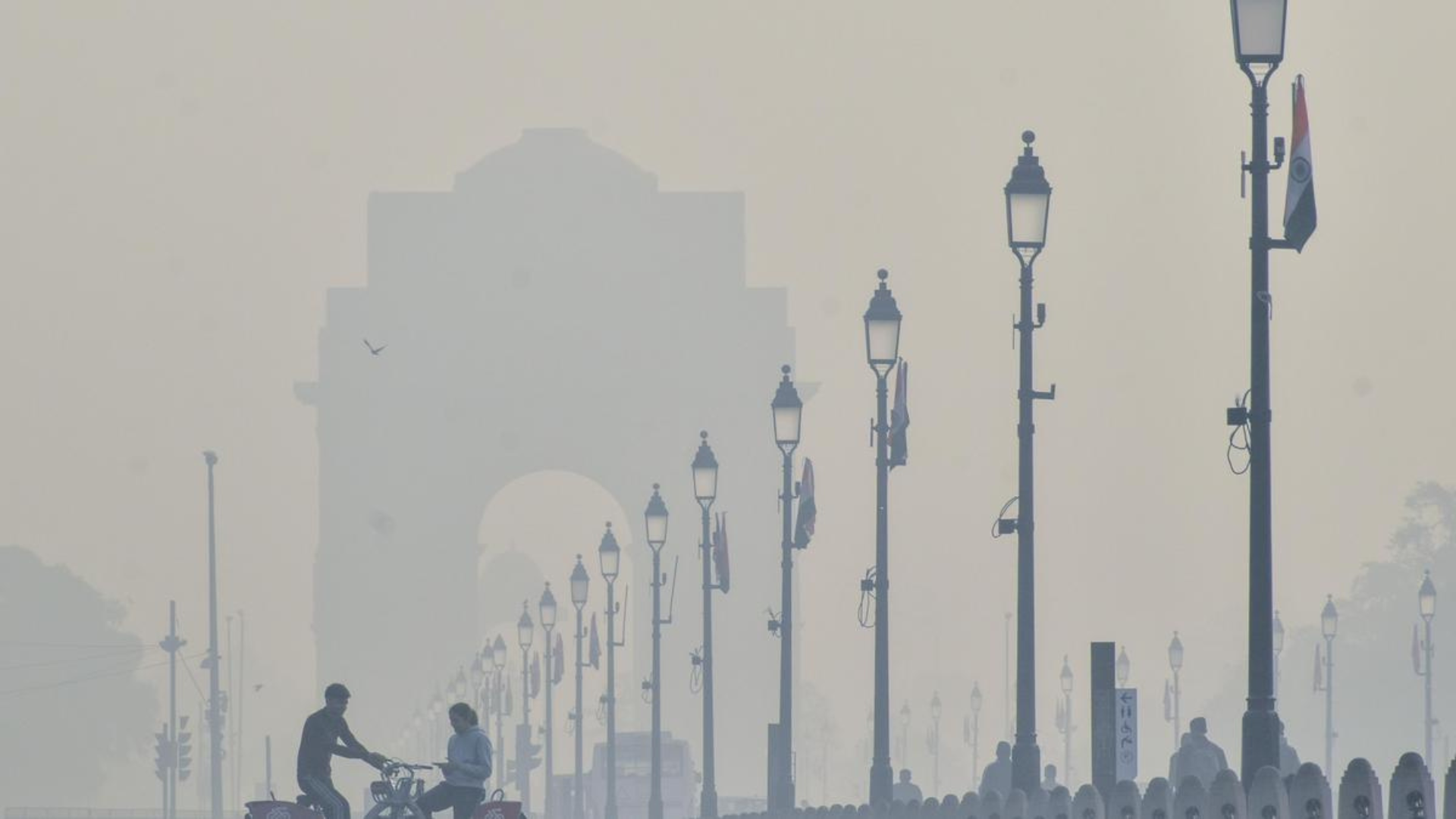
India’s recurring air pollution crisis requires more than temporary government restrictions. Sustained public participation, effective communication and responsible civic behaviour are essential to improving air quality across the country. Following Deepavali, several parts of northern India, particularly Delhi and the National Capital Region (NCR), experienced severe pollution. The Air Quality Index (AQI) at multiple locations reportedly reached 400, highlighting the seriousness of the situation. Infants, elderly people and other vulnerable groups face particular risks from prolonged exposure to polluted air. The Commission for Air Quality Management (CAQM) responded by escalating the Graded Response Action Plan (GRAP) from Stage I to Stage III within 15 days. Its measures included action against stubble burning, inspections of construction sites, checks of vehicle pollution certificates and monitoring of industrial and transport-related emissions. The Commission also introduced PAVAN-I3C, an Integrated Command and Control Centre designed to monitor compliance and support action against pollution sources. It further directed Delhi and other NCR states to plan measures aimed at reducing annual pollution levels by 15–20%. However, regulatory restrictions and penalties alone cannot resolve India's air pollution problem. Public cooperation is equally important. Responsible waste management, avoiding open burning, maintaining vehicles and supporting cleaner transport can contribute to reducing pollution. The Swachh Bharat Mission offers a useful example of how sustained awareness campaigns and collective participation can encourage changes in everyday civic habits. India needs a similar long-term movement for clean air, bringing together citizens, institutions and government agencies. Cleaner air must become a shared public responsibility rather than a seasonal concern.



0 comments
No comments yet. Yours would be the first.