
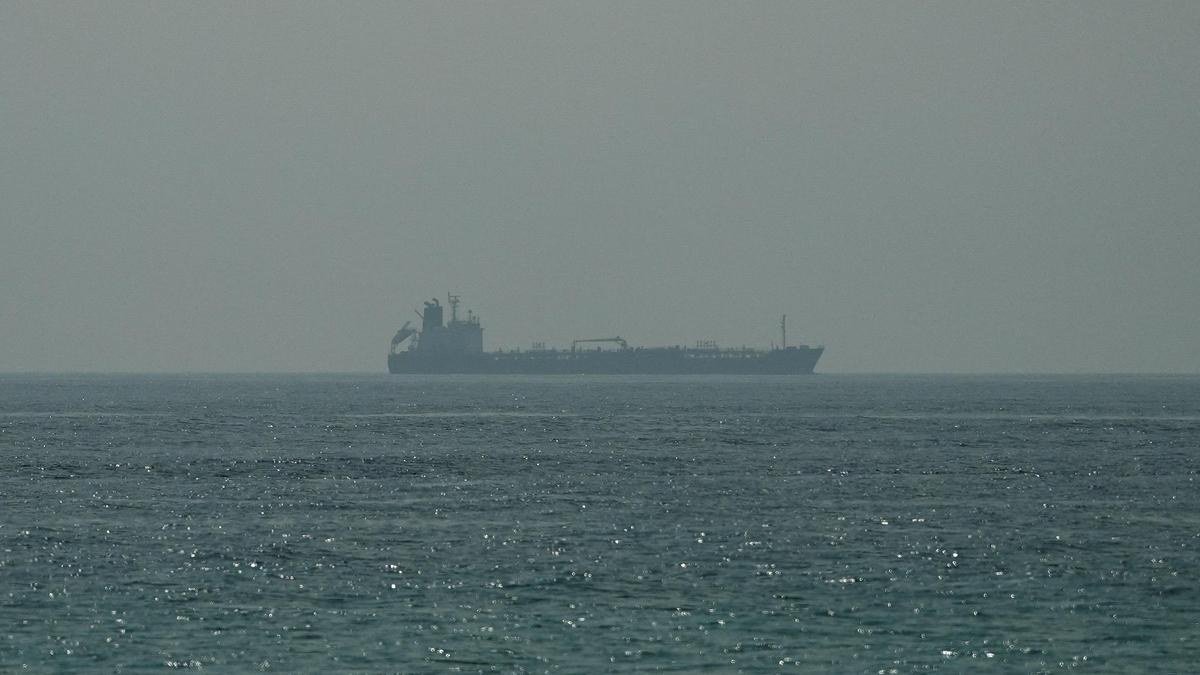
Ship‑to‑ship (STS) oil transfers in the Gulf of Oman have reached their operational limits as Saudi Arabia’s crude exports surge following disruptions to its Red Sea routes.

Data from analytics firm Kpler shows Saudi exports via the Strait of Hormuz are on track to rebound to 3.6 million barrels per day (bpd) in September, up sharply from about 900,000 bpd in August. The increase comes after an attack on the East‑West Pipeline on September 13 halted shipments from the Red Sea port of Yanbu.
In response, state‑run Saudi Aramco has sold more than 60 million barrels of crude for STS transfers off Sohar, Oman, this month and next. The surge has strained tanker availability, forcing more supertankers to shuttle crude through Hormuz for mid‑sea transfers.
Trade sources and analysts warn that the heavy reliance on STS operations is raising shipping costs, reducing vessel availability, and increasing transit times before cargoes reach refineries worldwide.
The development underscores the vulnerability of global energy supply chains to regional conflicts and infrastructure attacks, with the Gulf of Oman now serving as a critical hub for rerouted oil flows.




0 comments
No comments yet. Yours would be the first.