
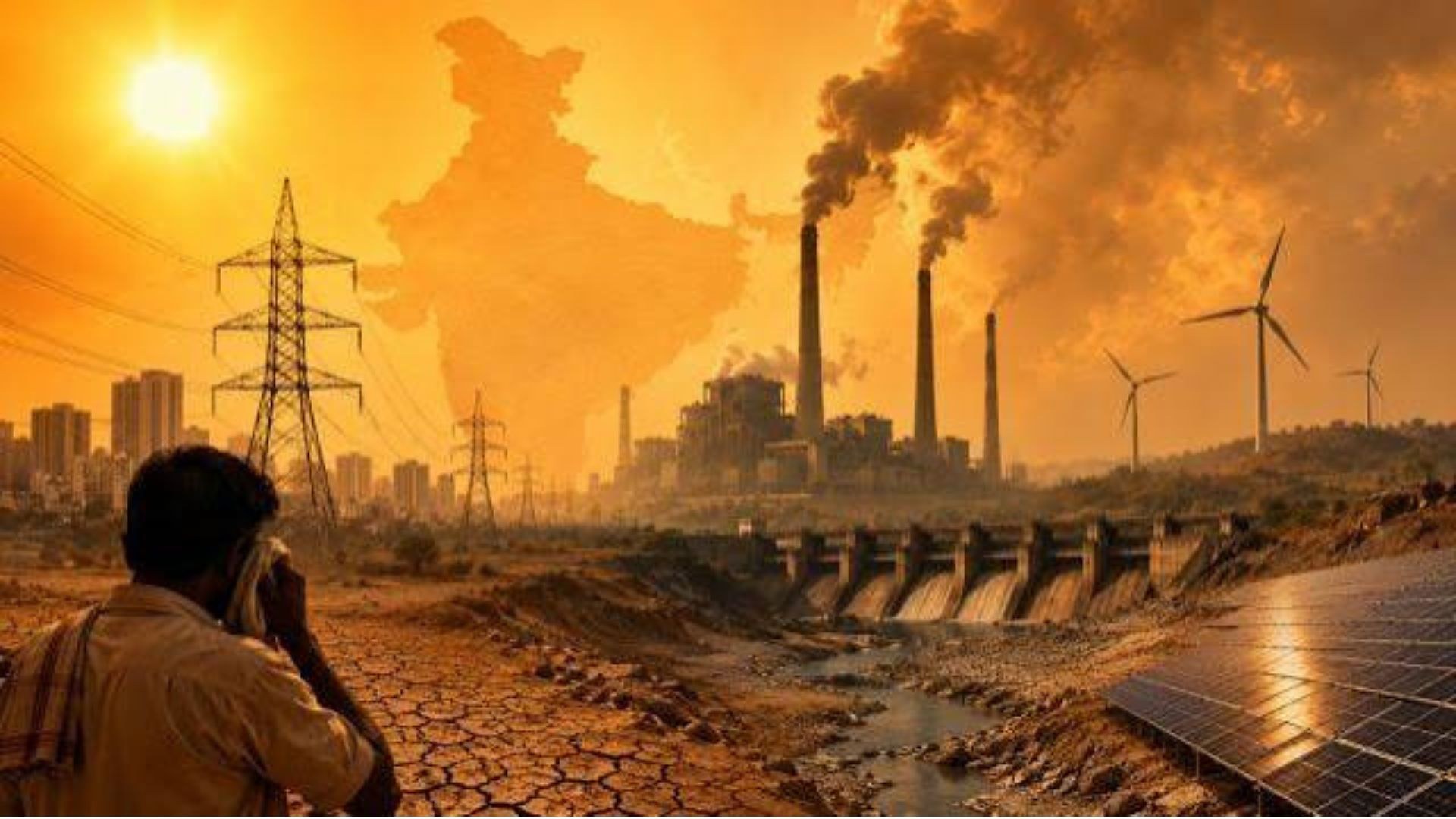
India’s 2026 El Niño episode is putting pressure on the country’s power sector, as below-normal monsoon rainfall reduces hydropower generation and increases dependence on coal-fired electricity. The impact extends beyond power plants, raising concerns about electricity costs, agriculture, water availability and energy security.

India’s southwest monsoon ended with rainfall around 87% of the long-period average. According to Business Today, hydropower generation fell 16% during June–October, while thermal power plants increased output to compensate for the shortfall. Hot weather and greater demand for cooling and irrigation can add further pressure to electricity supplies.
Coal availability is another concern. Reuters reported on October 21 that 96 of India’s 191 coal-fired power plants had critically low coal stocks as of October 19, with supplies sufficient for fewer than three days of generation. This highlights how increased coal consumption can strain inventories despite efforts to improve transportation and deliveries.
The effects of El Niño also reach agriculture and households. Lower rainfall can reduce reservoir levels, increase irrigation needs and threaten crop yields in vulnerable regions. Meanwhile, higher electricity demand, particularly after sunset when solar generation falls, can contribute to market-price spikes and increase costs for businesses and consumers.
India’s growing solar capacity offers some relief, but limited energy storage and transmission constraints can make it difficult to meet demand at every hour. Maintaining reliable coal supplies, strengthening the grid, expanding storage and diversifying renewable energy sources will be important to managing future climate-related disruptions.
El Niño does not explain every weather or power-sector problem, but the 2026 episode highlights the need for stronger coordination between energy planning, water management and agriculture as India prepares for potentially continuing climate pressures.




0 comments
No comments yet. Yours would be the first.