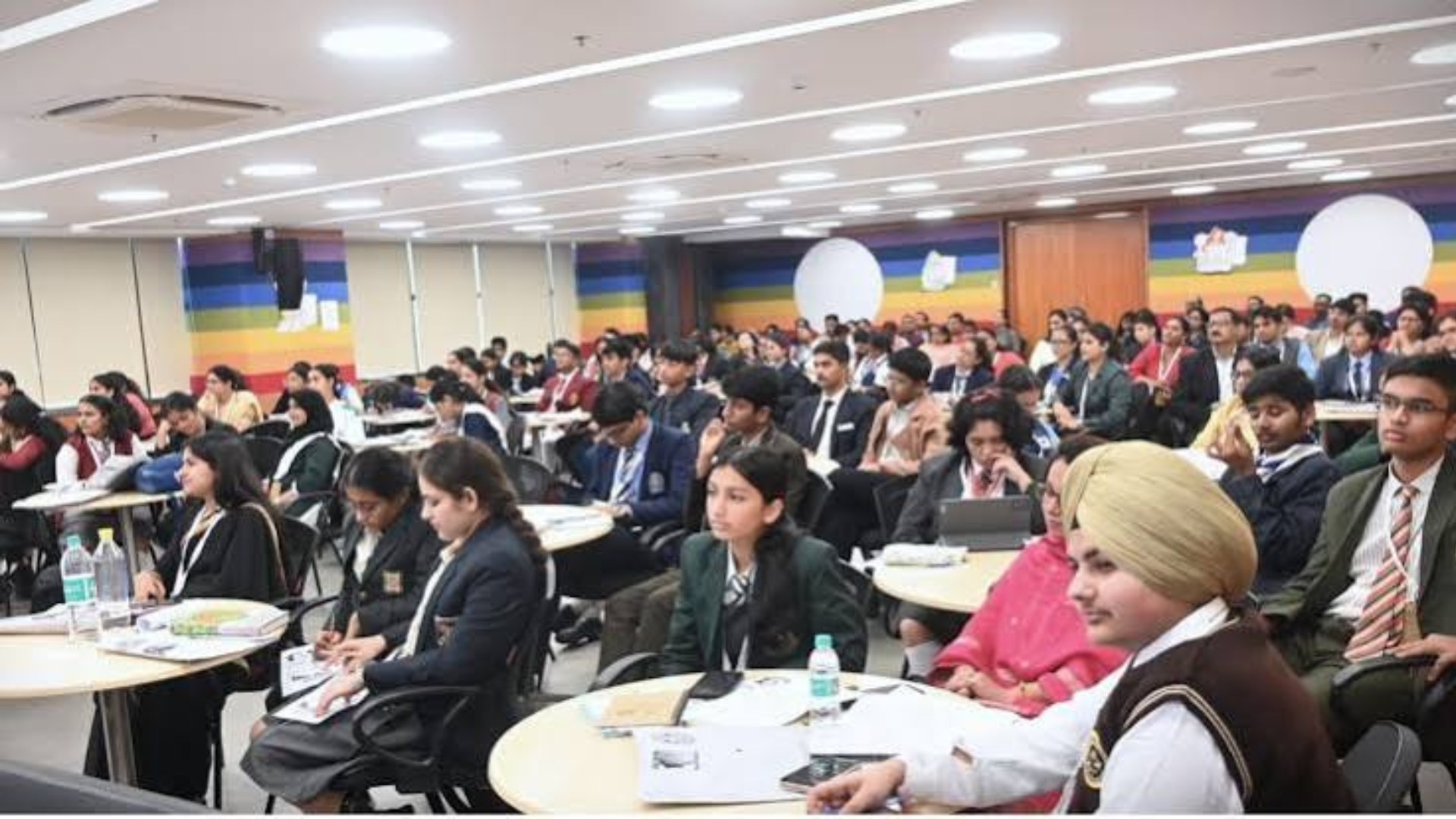
HYDERABAD: The Council for the Indian School Certificate Examinations (CISCE) has concluded its first National Student Mental Health and Well-Being Conclave 2026 in Hyderabad, bringing students into discussions on adolescent mental health and the future of school-based support.

Held from November 20 to 22 at the CISCE Centre of Excellence, the three-day event brought together 72 student delegates and 18 teacher delegates representing 18 regions across India. The conclave was designed as a national consultation, giving students an opportunity to share their experiences, identify concerns and contribute to recommendations for emotionally supportive schools.
The event marked the final stage of a three-tier initiative that began with school-level discussions and virtual regional conclaves. The wider programme aimed to engage nearly 16 lakh students from Classes VI to XII, over 32,000 teachers and more than 3,300 affiliated schools.
Discussions covered four themes: academic stress and student pressure; emotional well-being, digital life and relationships; substance abuse and healthy choices; and resilience and help-seeking behaviour.
The programme included expert-led sessions, thematic discussions, collaborative workshops and a panel discussion involving professionals from academia, industry and clinical practice.
CISCE plans to develop four outcomes from the deliberations: a Student Mental Health Charter, a Student Well-being Index, a Repository of Best Practices and a White Paper on Emerging Mental Health Concerns among Adolescents.
CISCE Chief Executive and Secretary Dr Joseph Emmanuel said the education system must listen to students and turn their experiences into institutional commitments and lasting change. He added that student delegates would return to their schools as mental health ambassadors.
School counsellor Aradhna Chand highlighted the importance of connection and a child's sense of safety and belonging. Student delegates Yashraaj Saha and Aradhya Singh also described the experience as an opportunity to feel heard, build friendships and develop a greater understanding of emotional well-being.
The conclave signals a move towards involving students directly in shaping school mental health initiatives, rather than limiting them to discussions led by adults.





0 comments
No comments yet. Yours would be the first.