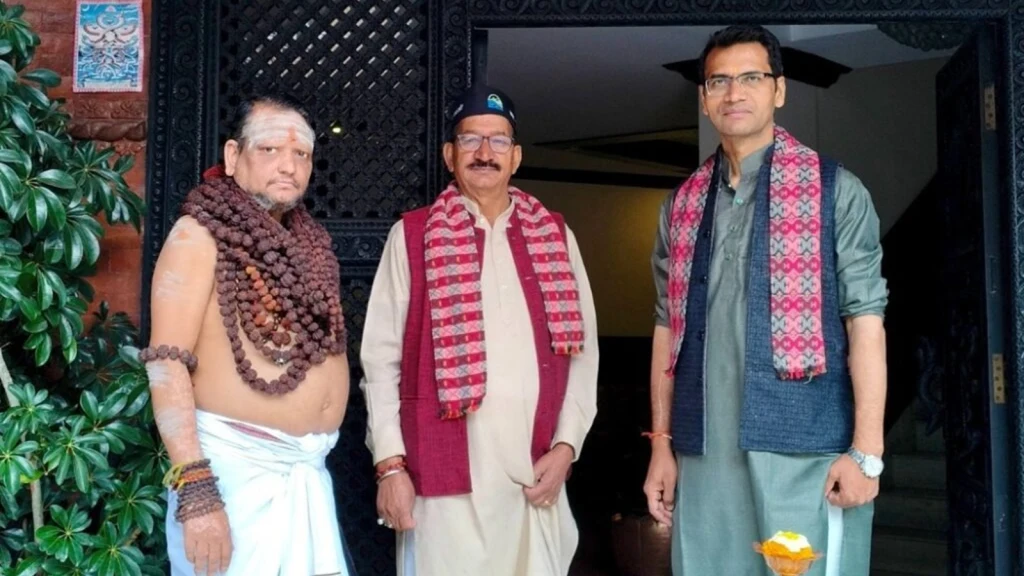
n a state known as Dev Bhoomi (land of the Gods), Uttarakhand is embracing a spiritual yet practical solution to tackle one of its biggest challenges — migration from hill districts. The government is promoting Rudraksh farming, the cultivation of sacred seeds used in prayer beads revered by Hindus and Buddhists.
Rudraksh offers several advantages over traditional crops. Unlike grains or vegetables, the seeds are not eaten by wildlife, require minimal maintenance, and enjoy a strong domestic and export market. This makes them a viable option for farmers struggling with crop losses and limited income opportunities in the hills.
Officials believe Rudraksh farming can provide sustainable livelihoods, encouraging families to remain in their native villages rather than migrate to cities in search of work. The initiative also ties into Uttarakhand’s cultural identity, blending spirituality with economic empowerment.
However, challenges remain. Rudraksh cultivation requires specific climatic conditions, and farmers need training and support to ensure quality production. The government is working to address these hurdles by offering guidance, technical assistance, and market linkages.
By turning to Rudraksh, Uttarakhand hopes to create a model where faith meets livelihood, strengthening both its cultural heritage and rural economy.