Recovering from an illness involves more than simply getting rid of an infection or feeling better. The body also needs to repair tissues, maintain muscle and gradually rebuild strength during the recovery period.
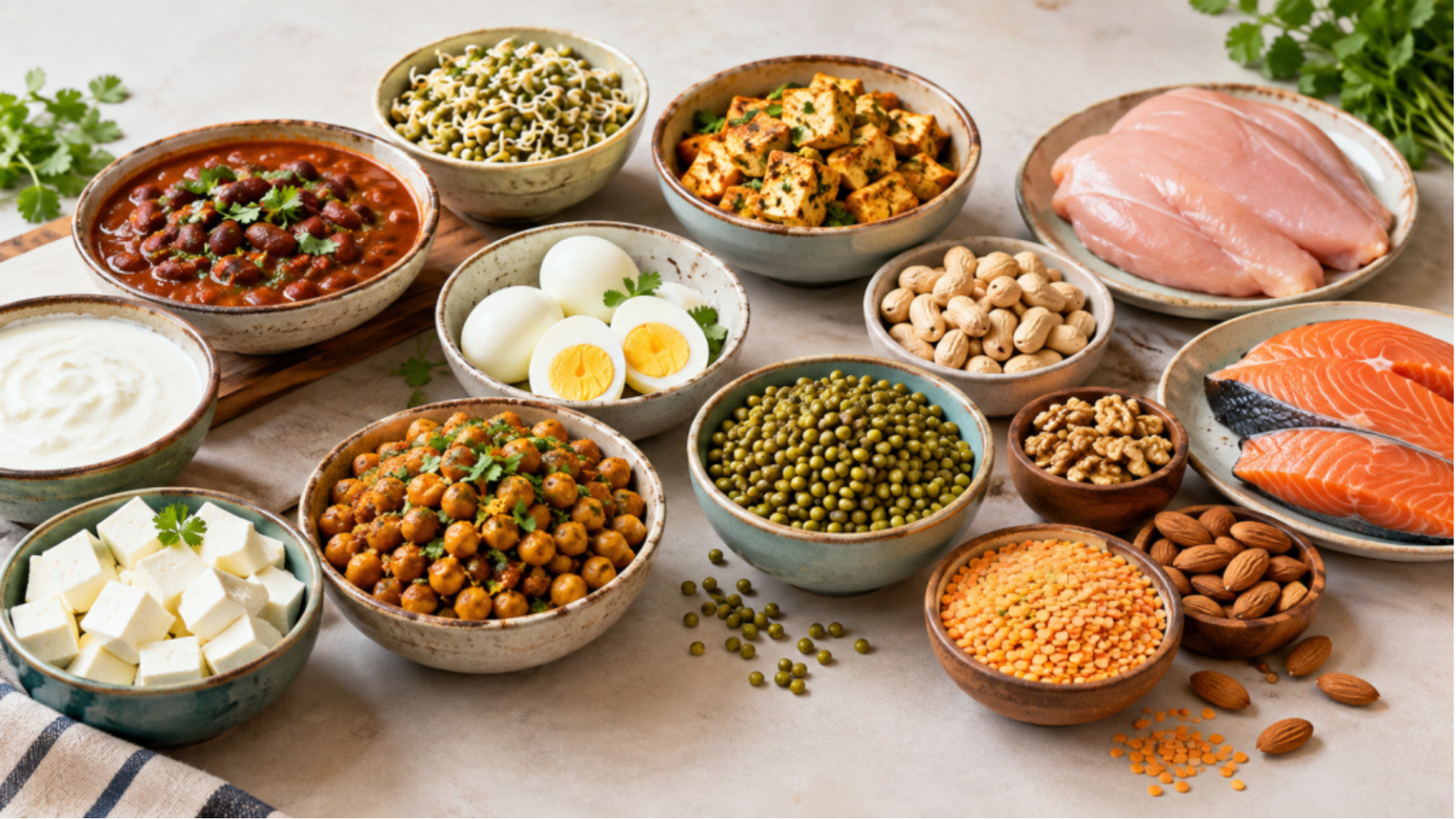
Protein plays an important role in these processes, making adequate protein intake particularly relevant when someone is recovering from a prolonged illness or hospital stay. The need can become more challenging to meet when illness affects appetite and a person is eating less than usual.
A drop in food intake during illness can make it harder to maintain muscle mass and meet the body's nutritional requirements. This may be especially important during recovery, when the body is working to restore strength and repair tissues.
According to Dr Saurabh Juneja, Director and HOD of CTVS, Cardiac Sciences at ISIC Multispeciality Hospital, nutrition is an important part of the recovery process after illness. Protein is one of the key nutrients involved in supporting muscle and tissue repair.
However, simply increasing protein intake is not necessarily appropriate for everyone. Nutritional requirements can vary depending on a person's age, health condition, severity of illness and stage of recovery.
People recovering from significant illness or hospitalisation may therefore benefit from discussing their nutritional needs with a doctor or qualified dietitian, particularly if poor appetite or difficulty eating continues.
Adequate nutrition, alongside appropriate medical care and gradual recovery, can help support the body's return to normal functioning. Protein is an important part of that nutritional picture, but individual requirements should be considered rather than following a single target for everyone.