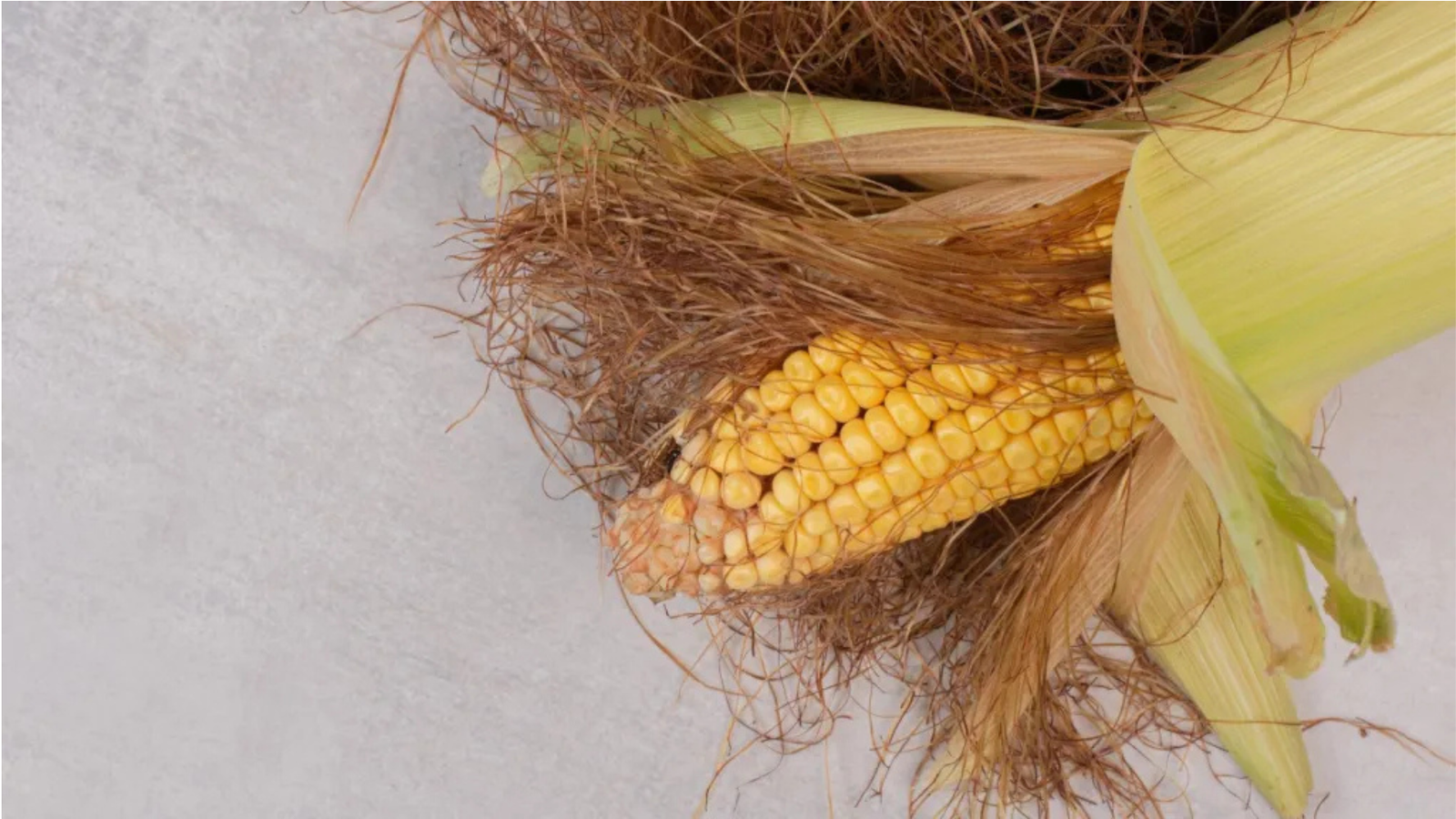
Corn silk, the thread-like strands found around an ear of corn, has long been used in traditional remedies for urinary and kidney-related problems. It is now also being promoted online as a natural way to support kidney health, increase urination and manage blood sugar.
The traditional use is partly linked to corn silk's potential diuretic effect, meaning it may increase urine production. However, scientific evidence remains limited. A review of earlier research found that some animal studies reported increased urine output, while a small human study did not find significant changes in urine, sodium or potassium excretion after one week of corn silk extract.
Corn silk has also been traditionally associated with kidney stones and urinary infections. Some research has reported potential benefits for urinary symptoms, but reviews note that further studies are needed before corn silk can be considered an established treatment for UTIs.
Claims about blood sugar also need caution. A 2026 systematic review of eight preclinical studies found inconsistent effects on glucose control in animal models and concluded that the evidence does not yet establish corn silk as an effective treatment for diabetes.
This means corn silk may have interesting biological properties, but calling it a medicine for the kidneys, liver or bladder goes beyond what current evidence can establish. It should not be used as a replacement for medical evaluation or prescribed treatment for kidney stones, urinary infections or diabetes.