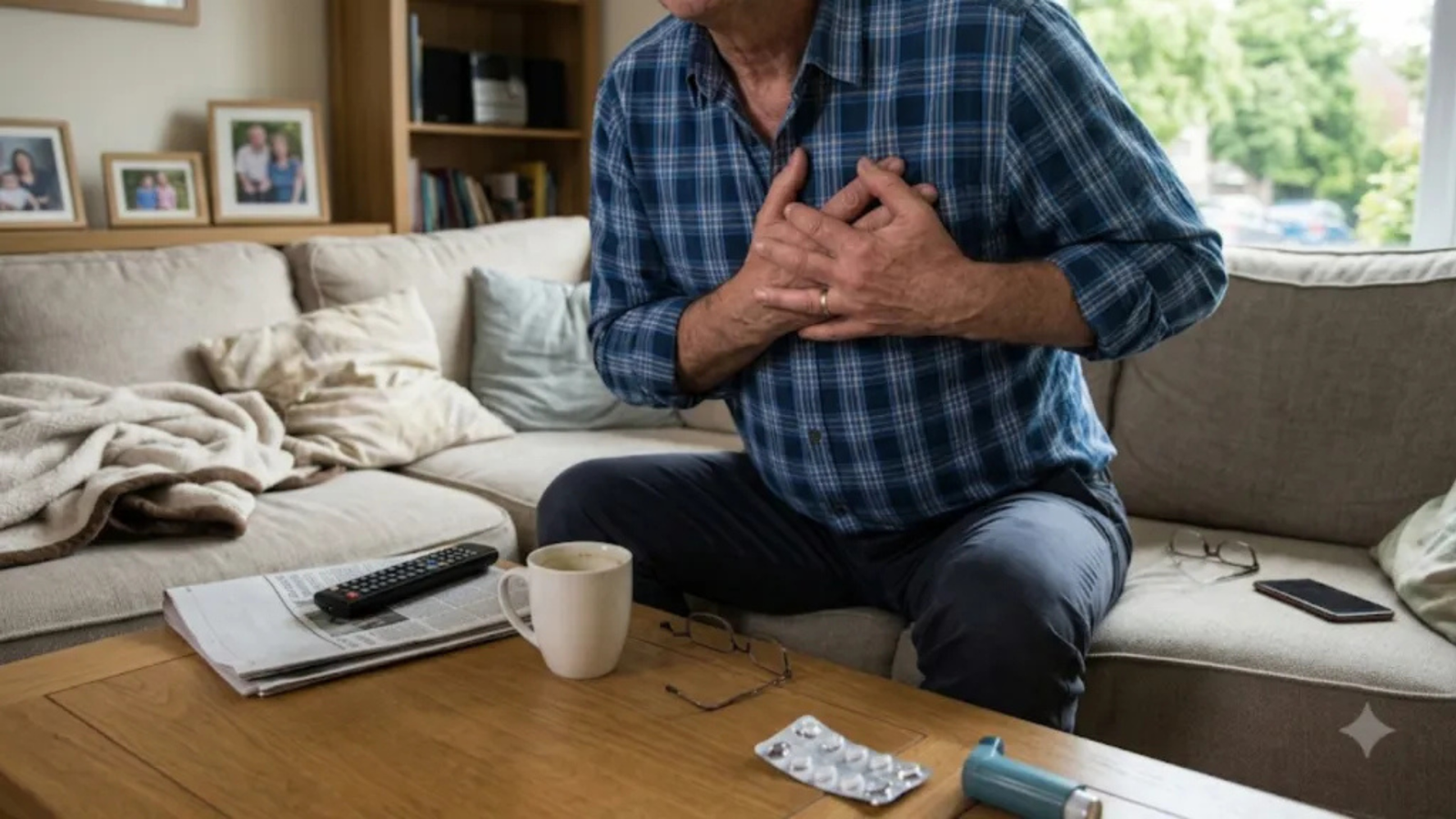
Suspecting a heart attack while alone can be frightening, but the most important step is to act quickly rather than waiting for symptoms to become severe. A heart attack is a medical emergency, and early treatment can be critical.
Warning signs can include pressure, heaviness, squeezing or discomfort in the chest. Symptoms may also appear as breathlessness, cold sweating, nausea, dizziness or discomfort in the arm, shoulder, back, neck or jaw. Heart attack symptoms can vary between people and may not always involve obvious chest pain.
If you think you may be having a heart attack, call your local emergency medical service immediately. Emergency medical teams can begin care while transporting you to a hospital, making emergency transport preferable to trying to drive yourself.
While waiting for help, follow the emergency operator's instructions and avoid spending time trying to determine the exact cause of the symptoms yourself. If you are alert and have been advised that aspirin is appropriate, current first-aid guidance allows an adult with non-traumatic chest pain to chew and swallow aspirin while waiting for emergency care, provided there is no known aspirin allergy or prior medical advice against taking it. If there is uncertainty, it is reasonable to wait for emergency medical personnel.
The key mistake is delaying the emergency call. Symptoms that improve or come and go should not automatically be dismissed, because heart attack symptoms can fluctuate. Getting professional assessment quickly is safer than waiting for symptoms to become unmistakable.