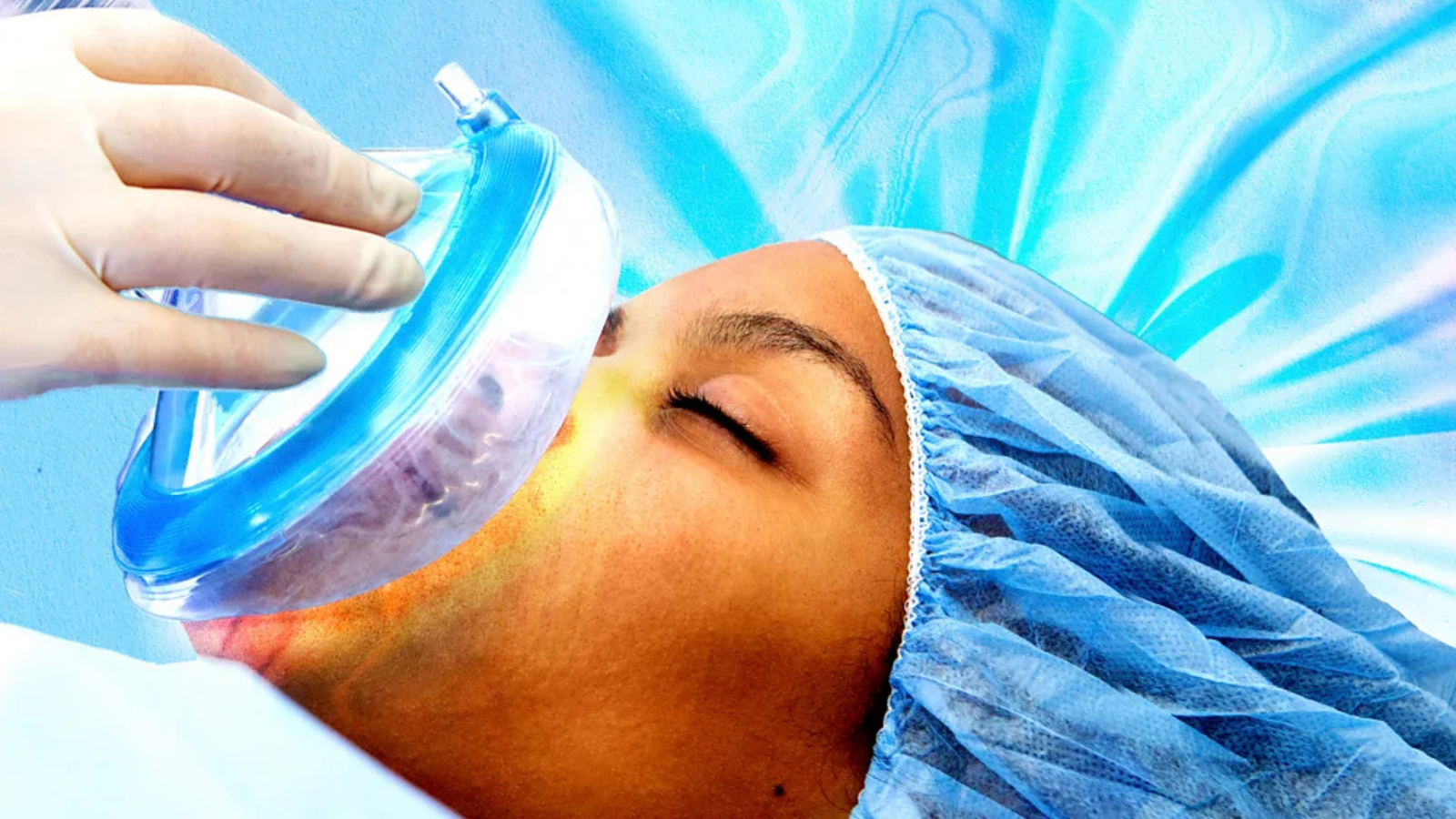
General anaesthesia has transformed modern surgery by allowing patients to undergo complex procedures without conscious awareness. Yet despite centuries of medical progress, scientists still do not have a complete explanation for how these drugs switch consciousness off.
General anaesthetics include several different drugs with different chemical structures and mechanisms. Propofol is among the most commonly used, while other agents include inhaled anaesthetics and, in specialised settings, gases such as xenon.
What researchers do know is that general anaesthetics interfere with communication between nerve cells. Brain-imaging studies have also shown widespread changes in brain activity during anaesthesia.
Does Anaesthesia Switch Off the Entire Brain?
Scientists are still investigating whether unconsciousness results from a broad reduction in activity across the brain or whether certain areas become disrupted first and trigger wider changes.
One region attracting particular attention is the thalamus, a deep brain structure that helps relay information between different areas and plays an important role in arousal and sleep.
Research involving animals has shown that stimulating specific parts of the thalamus can restore wakefulness. Similar research has also explored whether thalamic stimulation could influence consciousness in people with severe disorders of consciousness. These findings have made the thalamus an important focus of research, although they do not establish that it is solely responsible for anaesthetic-induced unconsciousness.
Other scientists focus on the cerebral cortex, the brain's outer layer involved in perception, thought and other complex functions. The frontal and parietal regions have also been linked to conscious processing.
Understanding how anaesthesia disrupts these networks could provide scientists with more than better surgical drugs. It may also offer clues about what consciousness actually is and how the brain produces awareness.
Health
How General Anaesthesia Changes the Brain and Consciousness
General anaesthesia temporarily disrupts brain communication and consciousness, offering scientists new clues about how the brain creates awareness.